
By: William Jones
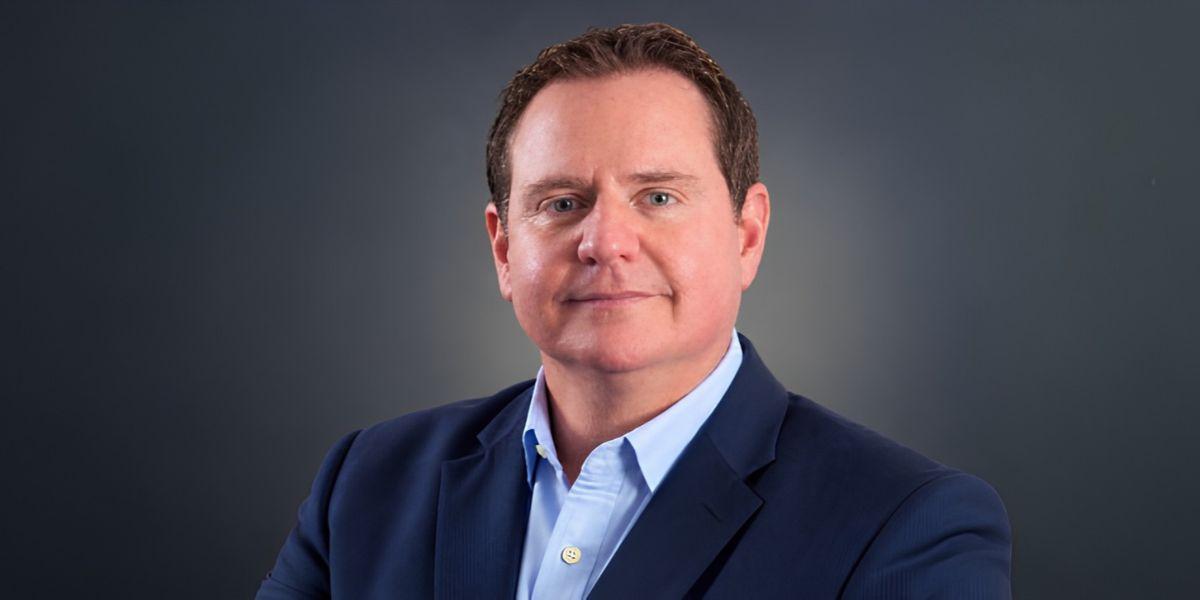
Hydrolix CMO Michael Cucchi on how structure, clarity, and transparency can turn everyday management into a true leadership engine.
At Hydrolix, precision isn’t limited to how the company processes data; it’s also embedded in how its leaders cultivate people. For Chief Marketing Officer Michael Cucchi, employee development is neither a soft skill nor an afterthought. It’s a measurable, systematic practice that requires as much rigor as building the company’s real-time data platform.
“Working with team members to expand their skills and scope, and helping them advance up the career ladder, is not always natural for most managers,” he says. “So they need to be educated on the skills and approaches, practice them with their reports, and apply them consistently across the team.”
Cucchi’s approach is refreshingly methodical, especially in a high-velocity tech environment where most leaders are consumed by deadlines and deliverables. His framework revolves around three principles—each designed to make growth more tangible, repeatable, and fair.
1. Career Architecture is the Foundation of Growth
Cucchi treats career development like any well-engineered system: it starts with architecture. “Managers should develop career architectures for each distinct function in their organization,” he explains. “Each will have unique characteristics.”
Fundamentally, career architecture defines how an employee’s impact can scale with their responsibilities. It creates a shared language between manager and team member, removing ambiguity from performance discussions. “Tailoring each path to how the function’s impact on the organization increases can provide a solid foundation for performance conversations and coaching,” Cucchi says.
He advises reviewing these structures regularly to make sure they evolve with the business. And, in a move that blends tradition with modern tech, he suggests using large language models (LLMs) as a baseline resource. “This is one place I would recommend working with LLMs because they’ve ingested a variety of HR and career development content and knowledge. Start there, then adjust as needed.”
Cucchi outlines the trajectory of growth in four distinct stages:
- Proficiency and proactivity in the core tasks of one’s current role.
- Ownership of full projects, managing them from conception through completion.
- Mastery in managing multiple projects with consistency and strategic judgment.
- Leadership influence across business units, driving impact beyond one’s immediate scope.
That evolution, he notes, can naturally lead to broader exposure and collaboration. “As that happens, you might start gaining visibility with higher-level management and building a peer group that supports your career growth. That network can be a catalyst.”

2. Stop Blending Management, Feedback, and Coaching
The second principle in Cucchi’s playbook is deceptively simple: separate the moments that matter. “Don’t mix daily management meetings with performance feedback or coaching,” he says. “Employees need to know when you’re guiding them through a process, how they performed on a task, and when you’re encouraging them along a longer-term growth plan.”
It’s a distinction that might seem minor but can fundamentally change how teams perceive leadership. Daily check-ins handle the operational pulse. Feedback sessions focus on outcomes. Coaching, though, is where transformation happens and where potential can turn into capability.
“Each conversation has a different rhythm and emotional bandwidth,” Cucchi explains. “If you try to blend all three into one meeting, you dilute their value. Coaching deserves its own space because that’s where people connect to their purpose.”
This separation also prevents the common pitfall of reactive management, where feedback feels punitive rather than developmental. Cucchi believes managers should cultivate the discipline to plan growth discussions as intentionally as they plan campaigns or product launches. “Structure isn’t cold—it’s clarity,” he says. “And clarity builds trust.
3. Make Growth Public and Promotions Purposeful
If clarity is the foundation, transparency is the glue that holds it all together. “Set and align clear goals for your people and then make those goals visible,” Cucchi says. “When promoting an outperformer to Vice President, you should have a clear case and numerous examples demonstrating how the candidate met the career architecture requirements and effectively implemented the guidance in their work efforts and goals.”
For Cucchi, visibility expands far beyond recognition; it becomes a staple of culture. Promotions are more than career milestones. They are organizational signals that can help define what success looks like. “When people see that promotions are based on documented impact and shared criteria, you can remove the politics and replace them with motivation,” he says.
At Hydrolix, this approach ensures that growth doesn’t feel arbitrary. Each step up the ladder reflects measurable outcomes, documented mentorship, and demonstrated influence. “It’s how you can create equity in advancement,” Cucchi explains. “Transparency is the antidote to favoritism. It can turn ambition into alignment.”
Building Leaders, Not Just Managing Employees
Cucchi’s philosophy distills leadership into something pragmatic yet deeply human: a blend of structure, discipline, and care. “When people know you’re invested in their growth,” he says, “they tend to show up differently. They take bigger swings. They take care of the business because they feel the business is taking care of them.”
In a company where engineers design systems to handle trillions of events daily, Cucchi’s leadership vision mirrors that same precision: scalable, adaptable, and deliberately crafted. “Great leadership doesn’t just happen by accident,” he adds. “It’s built just like any strong system. When you build it right, people can perform at their best and thrive.”
At Hydrolix, this philosophy has become the blueprint for a thriving culture—one designed to scale with the pace of innovation and the ambition of those driving it forward.