From Burnout to Back To You: The Mission Me 2.0 Story
In today’s fast-paced world, burnout has become more than a buzzword, it’s a lived reality for millions of professionals juggling ...
Read moreIn today’s fast-paced world, burnout has become more than a buzzword, it’s a lived reality for millions of professionals juggling ...
Read moreBy: William Jones Hydrolix CMO Michael Cucchi on how structure, clarity, and transparency can turn everyday management into a true ...
Read moreIn a world where technology evolves faster than most companies can adapt, the conversation around skills strategy has never been ...
Read moreBy: Azhar Hussaini In an industry where women make up the majority of the workforce but remain rare in leadership, ...
Read moreDr. Islam Mohamed has become one of the most influential figures in modern entrepreneurship. As the Founder and CEO of ...
Read moreBy: Matt Emma In the heart of Southern California's mountain resort communities, there's a name that has become associated with ...
Read moreLive music performances have expanded beyond sound to include visual, spatial, and interactive elements. These additions aim to create immersive ...
Read moreIn today’s fast-paced entrepreneurial world, the terms “microbusiness” and “small business” are often used interchangeably, but they are not the ...
Read moreFor business leaders today, few topics are as crucial as the health of their supply chain. Recent global disruptions, whether ...
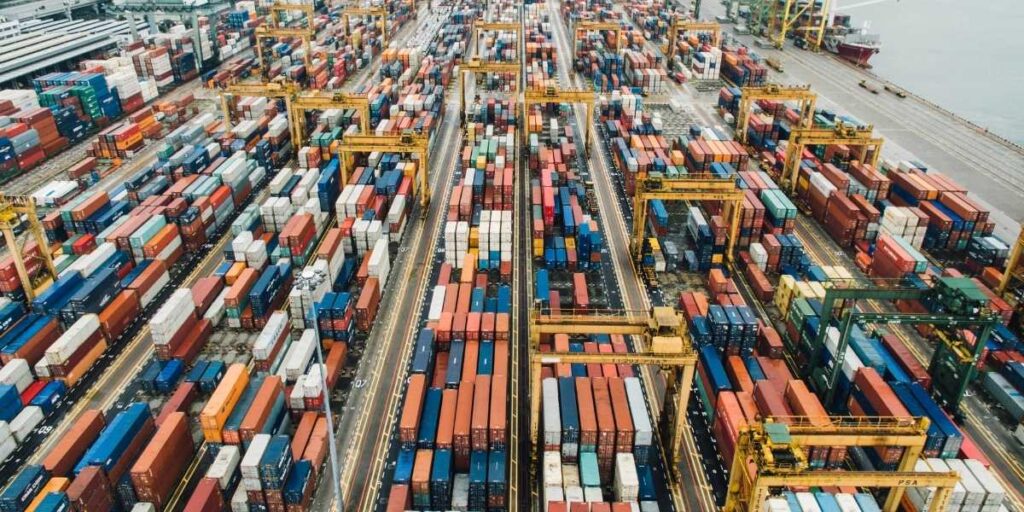
Read moreFor business leaders today, few topics are as crucial as the health of their supply chain. Recent global disruptions, whether from unexpected events or shifts in the economic environment, have really hammered home how vulnerable these networks can be. It's become clear that simply getting products from point A to point B isn't enough; the real challenge is making sure those operational pathways can bend without breaking, even when things get wild. This means leaders are now focused on building super robust systems that can handle just about anything thrown their way, ensuring goods keep moving and businesses stay strong.
Many companies learned the hard way that their supply chains had some surprising weak spots when put under pressure. One big lesson was realizing the risks of relying too heavily on just one source for materials or production. When that single source hit a snag, everything else often ground to a halt, causing massive headaches and delays. Another common issue was a lack of clear visibility throughout the entire network. Without knowing exactly where goods were or what challenges suppliers faced, it became impossible to react quickly. The old "just-in-time" approach, while efficient for cost-saving, often left little room for error or unexpected hiccups, highlighting the need for a more flexible mindset that sometimes prioritizes "just-in-case" preparedness.
To build a supply chain that can truly bounce back from disruption, leaders are now actively working to spread out their risk, rather than concentrating it in just a few spots. This often means embracing what's called multi-sourcing, which is all about having several trusted suppliers for critical components or raw materials. Instead of putting all the eggs in one basket, a company builds relationships with multiple vendors, ensuring that if one supplier faces an unexpected issue, others are ready to pick up the slack. It's a proactive step that moves away from the vulnerability of single-supplier dependency.
Another significant move leaders are making is regionalization, sometimes referred to as reshoring or nearshoring. This strategy involves bringing production or sourcing closer to home or to a variety of different, strategically chosen regions around the globe. For example, a business might decide to have key manufacturing facilities in North America, Europe, and Southeast Asia, rather than just one major hub. The core idea here is to create a robust web of alternative suppliers and manufacturing locations. This way, if one area faces a severe disruption—perhaps due to geopolitical tensions, natural disasters, or labor issues—operations in other regions can often continue relatively uninterrupted, or quickly ramp up to provide the necessary goods.
Implementing these strategies requires a delicate balance. On one hand, leaders are always looking to keep costs low and optimize efficiency, which can sometimes favor single, large-scale suppliers or distant, low-cost production centers. On the other hand, the security and reliability of the supply chain have become paramount. Companies must weigh the potential for cost savings against the risk of massive disruptions. This involves careful analysis to understand the true cost of a potential disruption versus the slightly higher upfront costs of maintaining diversified sources and regionalized facilities. It's a strategic trade-off, where long-term stability and resilience often gain more weight in decision-making than pure short-term cost minimization, all to make sure there's a secure, reliable flow of goods no matter what happens.

Knowing what's happening every step of the way across a supply chain is like having a superpower when it comes to resilience. Leaders are really focusing their efforts and investments on boosting this visibility throughout their entire operational network, stretching all the way from where raw materials are sourced to the final delivery at a customer's doorstep. This heightened awareness means being able to track everything, from the exact status of goods in production and their location in transit to real-time inventory levels in various warehouses.
This is precisely where technology steps in, playing a truly massive role in making this kind of deep insight possible. Digital platforms, artificial intelligence (AI), and the Internet of Things (IoT) are becoming indispensable tools. Integrated digital platforms help to pull together all sorts of data from different parts of the supply chain, creating a single, clear picture. Artificial intelligence takes this a step further by processing vast amounts of this information, spotting patterns that humans might miss, and even predicting potential issues. For instance, AI can forecast demand with much greater accuracy or flag a likely bottleneck in a shipping lane days before it actually happens. Meanwhile, the Internet of Things comes into play with smart sensors attached to goods, vehicles, or placed within warehouses, constantly feeding back real-time data on everything from location and speed to temperature and humidity. This provides a granular level of detail that was previously unimaginable.
The goal here is truly about moving beyond just basic tracking, which tells you where something is right now. Instead, the focus shifts to using sophisticated analytics that can actually predict problems before they hit hard. This allows companies to engage in smarter scenario planning and more accurate risk modeling based on deep data insights. It means leaders can make smart, proactive decisions – perhaps rerouting a shipment, preparing alternative materials, or proactively communicating with affected customers – instead of constantly reacting to crises once they're already in full swing. This enhanced understanding helps optimize routes, reallocate resources efficiently, and ultimately keeps things moving smoothly, even when the unexpected occurs.
Even with all the best planning and technology, the ability to react quickly and smartly to unexpected changes is paramount. This means fostering true agility within the supply chain. Companies are looking at flexible manufacturing processes that can quickly adapt to shifts in demand or material availability, alongside adaptable logistics solutions that aren't tied to a single delivery method or route. Just as important is building strong, trusting relationships with all partners in the network – suppliers, distributors, and even key customers. Clear, open communication and mutual trust mean everyone is more likely to work together effectively when things go sideways, turning potential crises into manageable challenges through shared effort.
Building a truly resilient supply chain isn't just about protecting a business from problems; it's about creating a powerful competitive advantage. By learning from past disruptions, spreading out risks, embracing smart technology for better insights, and fostering a culture of agility and strong collaboration, leaders can ensure their operational networks are robust enough to not only handle unexpected challenges but also thrive in an unpredictable world.
Let’s talk about getting your story featured.
Copyright ©2025 Matrix Global, LLC. All Rights Reserved.
CEO Weekly is not responsible for the content of external websites.
By registering for an account or using any part of this website, you acknowledge that you have read, understood, and agree to be bound by our Terms of Use and Privacy Policy, which govern your access to and use of our services, content, and features.
CEO Weekly is not responsible for the content of external websites.