
Federal regulators have paused the review of the proposed Union Pacific-Norfolk Southern merger, requesting additional information from the two railroad companies before moving forward with the evaluation process. The development affects one of the largest transportation consolidation proposals in recent years and introduces a new stage in the regulatory examination of the transaction.
The request for supplemental information means the review process will remain on hold while both companies provide further details related to the proposed combination. The pause does not represent a final decision on the merger itself but signals that regulators require additional material before continuing their assessment.
The proposed transaction would combine two major freight rail operators with extensive networks across different regions of the United States. Given the scale of the deal and its potential implications for freight transportation, supply chains, and competition within the rail industry, regulators are conducting a detailed review of the proposal.
Union Pacific-Norfolk Merger Review Enters New Phase
The regulatory pause marks a significant procedural step in the review process. Requests for additional information are common in large merger evaluations, particularly when agencies seek further clarification regarding operational impacts, market competition, service levels, and customer effects.
Union Pacific and Norfolk Southern announced plans to combine their operations in a transaction valued at approximately $85 billion. If completed, the merger would create one of the largest freight railroad systems in North America, connecting extensive networks across western and eastern portions of the country.
Federal agencies reviewing major transportation transactions often examine how a merger could affect rail customers, shipping rates, infrastructure utilization, service reliability, labor considerations, and broader market competition. The latest request indicates regulators are continuing to gather information before determining whether the transaction can advance through subsequent stages of review.
Neither company has indicated any change to its overall position regarding the proposed combination. Both organizations have previously stated that they believe the merger would create operational efficiencies and strengthen the national freight transportation network.
Companies Seek Approval for Historic Rail Combination
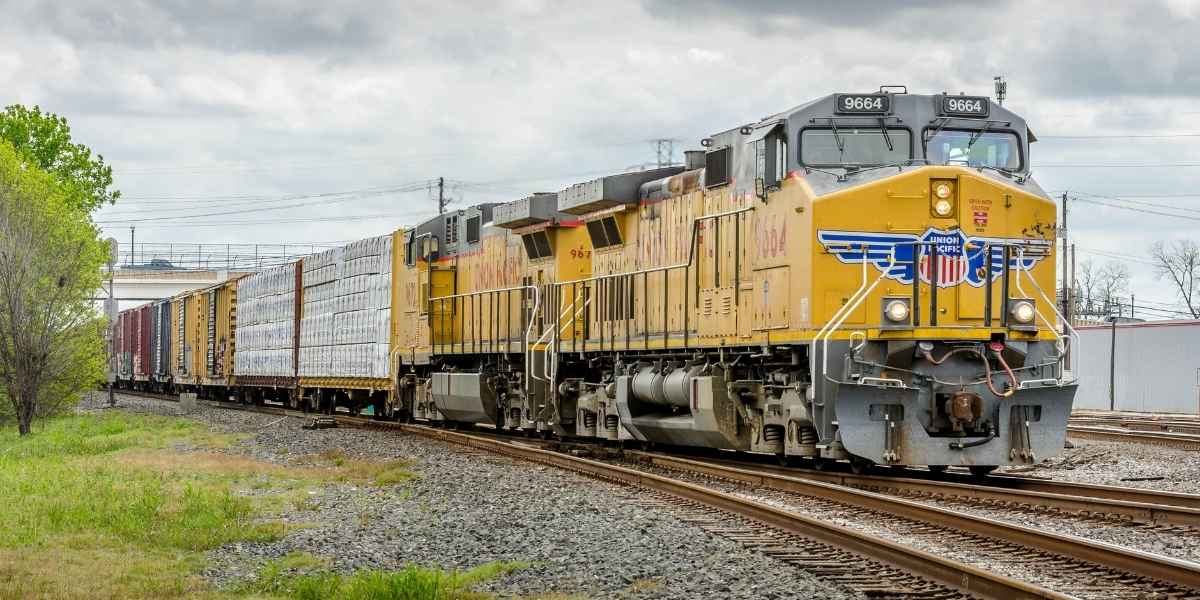
The proposed merger would unite two railroads with long histories in the U.S. transportation sector. Union Pacific operates a vast freight network serving much of the western United States, while Norfolk Southern maintains extensive operations throughout the eastern portion of the country.
Together, the companies would oversee a rail system spanning thousands of miles of track and serving a wide range of industries, including agriculture, manufacturing, automotive production, energy, and consumer goods transportation.
Supporters of the transaction have argued that a combined network could improve freight movement across regions by reducing transfer points and increasing operational coordination. They contend that greater connectivity between eastern and western rail corridors could streamline certain shipping routes and enhance service options for customers.
At the same time, large transportation mergers frequently attract heightened scrutiny due to concerns about market concentration and the potential effects on competition. Regulators often examine whether customers would continue to have sufficient transportation choices and whether service quality would remain protected under a consolidated structure.
The latest regulatory action reflects the complexity of reviewing transactions involving critical national infrastructure. Freight rail plays a central role in the movement of goods throughout the United States, making regulatory assessments particularly significant for industries that depend on rail transportation.
Federal Agencies Examine Competitive and Operational Impacts
Merger reviews involving major transportation companies typically include extensive evaluations of market conditions and operational performance. Regulators often request detailed information regarding projected efficiencies, service commitments, infrastructure investments, and customer impacts.
In this case, officials are expected to continue examining how the proposed combination could affect freight rail competition across multiple regions. Analysts have noted that large railroad mergers receive special attention because of the industry’s importance to domestic commerce and supply chain operations.
The process may involve examining historical operating data, future business plans, anticipated cost savings, infrastructure utilization forecasts, and other technical materials. Agencies can use this information to assess whether the proposed transaction aligns with legal and regulatory standards governing mergers.
Transportation mergers have historically faced rigorous examination due to the potential long-term consequences for customers and regional economies. Freight rail systems connect ports, manufacturing centers, agricultural producers, and distribution hubs across the country, making changes within the industry particularly consequential.
As regulators continue their review, the companies are expected to work through the information request process while maintaining their existing operations independently.
Rail Industry Consolidation Remains a Major Business Issue
The proposed combination arrives during a period of ongoing discussion about consolidation and efficiency within transportation industries. Railroads have increasingly focused on operational performance, network optimization, and technology investments aimed at improving service and reducing costs.
Transportation companies have faced growing demands to improve supply chain resilience while managing changing freight patterns and evolving customer requirements. Rail operators continue to invest in infrastructure, technology systems, and operational improvements intended to support future growth.
The proposed Union Pacific and Norfolk Southern combination represents one of the most significant transportation transactions under consideration in recent years. Its size and strategic importance have drawn attention from regulators, customers, industry groups, and investors.
Regulatory reviews of transactions involving critical infrastructure often extend beyond financial considerations to include broader questions regarding public interest, service continuity, and market access. These factors can contribute to lengthy review timelines, particularly for deals involving major transportation networks.
The current pause allows regulators additional time to evaluate information considered necessary for the next stage of review.