
By: Shem Semblante
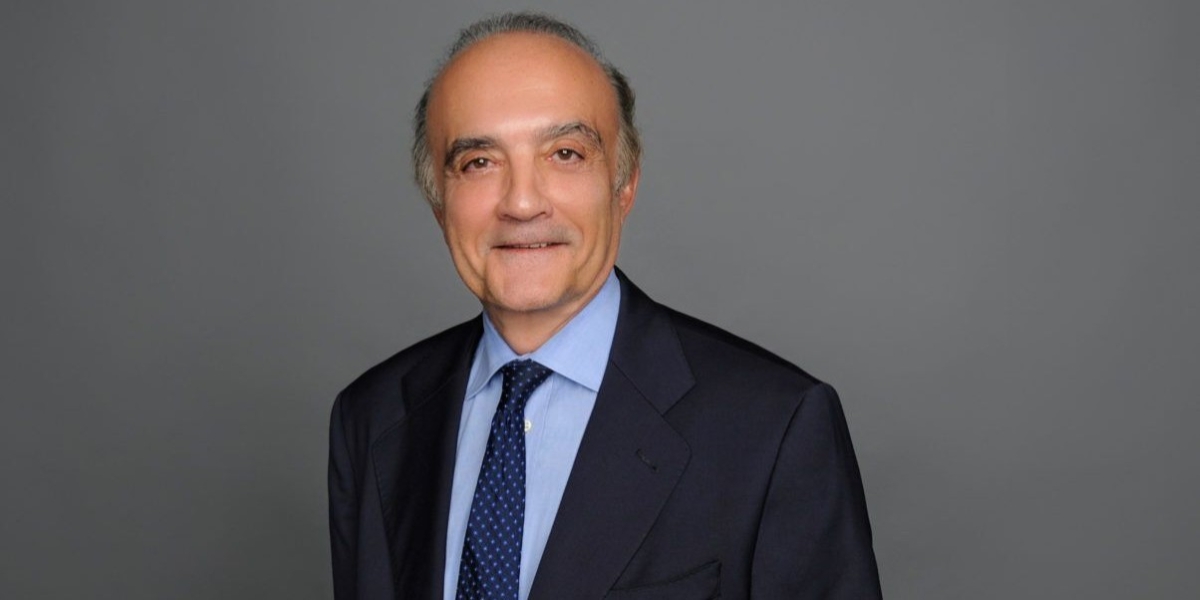
Manuel Martinez has spent more than 20 years writing and publishing books shaped by a clear and consistent set of ideas. Over time, he has built a body of work defined by intellectual focus, persistence, and a deep commitment to the questions that continue to drive his writing.
That long commitment is what gives this moment its significance. Martinez is not arriving as a newcomer or trying to write on for size. He is a seasoned author entering a more visible stage of a career already built on years of steady work, with Florida Supercon in Miami Beach poised to introduce that work to a broader audience.
Years of Work
Martinez has spent decades writing with unusual consistency. His catalog includes titles such as “The Damned Comedy: A Novel,” “22: The War of the Gods,” “11: The Secret Code,” and “Nostradamus: My First Novel.” Read together, the books suggest an author who has stayed committed to a distinct intellectual path rather than chasing whatever subject happened to be marketable at the time.
That kind of persistence often reveals itself over time, book by book, as an author builds a body of work with real depth and direction. Martinez has done exactly that, creating a catalog that reflects long-term commitment, intellectual consistency, and a clear sense of purpose. What makes this moment stand out is the opportunity for that work to reach the wider audience it has long been building toward.
That is why this stage of his career feels so important. It does not mark the beginning of Manuel Martinez’s writing journey, but a broader public recognition of the work he has already spent years creating.
Pattern and Belief
The defining thread across Martinez’s work is numerology, formerly known as sacred arithmetic. More than a recurring theme, it is the lens through which he reads history, crisis, memory, and power. It gives his writing a clear point of view and ties his books together across genres and forms.
“I keep writing because after more than forty years studying the cycles of money, I have come to see they are also moral cycles, and that reading is not something you owe to yourself,” Martinez said. “You owe it to the reader who does not yet know that 2026 has already begun the cycle of transformation of the world as we know it today.”
That idea sits at the center of “The Cycles of History,” the graphic novel he will bring to Florida Supercon. The book follows a man named Sebastian, who dies at the threshold of the 21st century and is summoned back to learn how to read history before history reads him. Through prophecy, covenantal patterns, and symbolic structures, the novel argues that history does not simply pass. It accumulates, returns, and renders an account.
Why Now
The graphic novel is also part of a larger project. Martinez has positioned “The Cycles of History” as a precursor to “History as Covenant,” a more expansive work that asks whether history is shaped not only by events and institutions, but by memory, moral accountability, and recurring structural pressure. One book dramatizes the pattern. The other explains it.
That connection gives the Florida Supercon appearance real significance. From July 10 to 12, Martinez will appear at the Miami Beach Convention Center, bringing his work directly to readers in a setting built around curiosity, fandom, and discovery. For an author whose ideas move between graphic narrative, prophecy, symbolic interpretation, and historical cycles, it is a natural place to be seen.
That encounter is central to the book itself. The “Cycles of History” is illustrated by Sajid Black, a Panama-based artist whose hand-drawn work gives Martinez’s ideas a visual form that invites readers in before the larger argument begins to unfold.
Recognition at Last
A writing career is built not only through publication but through sustained commitment to the work itself. Martinez has shown that commitment across years of writing, returning to the same core ideas with focus, patience, and a clear sense of purpose.
What makes this moment especially meaningful is the possibility that public recognition may begin to reflect that long investment. If it does, it will not mark a sudden appearance, but a well-earned expansion of the audience for work he has been shaping for years.