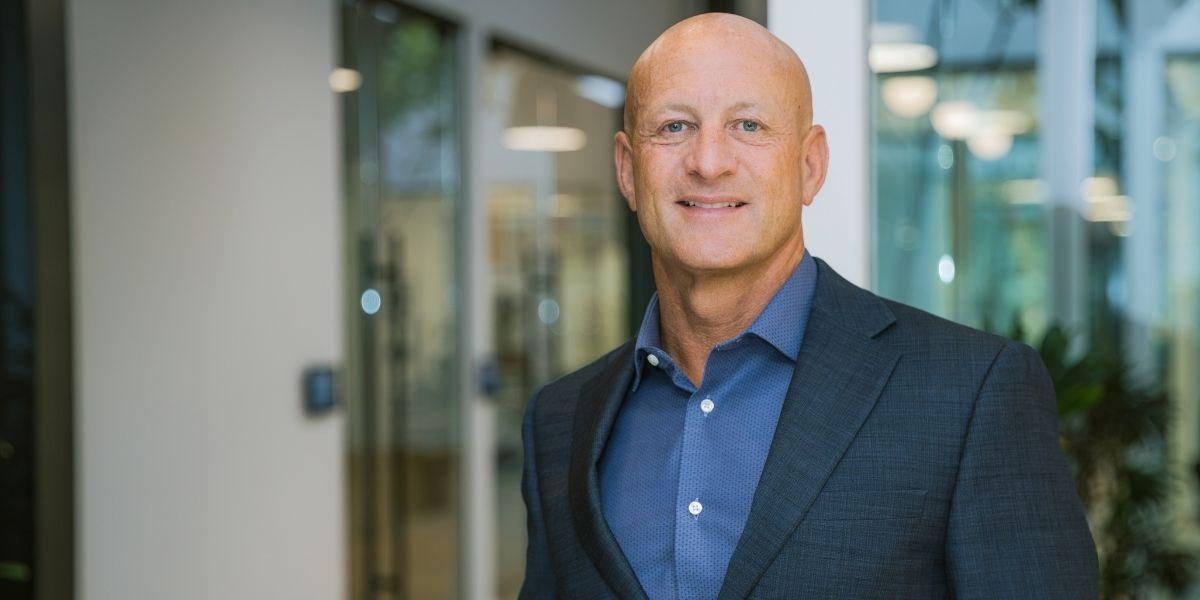

John W Hardy helps men navigate life after divorce by rebuilding identity, strengthening boundaries, and rediscovering purpose.
For John W Hardy, divorce was not the end of the hardest chapter. In many ways, it was the beginning. After 24 years of marriage, the future he had imagined was suddenly gone. Familiar roles changed. Relationships with friends and family shifted. Questions about his children, finances, identity, and future filled the space left behind. Then came a realization that would eventually influence his work as the Men’s Divorce Recovery Coach: Ending a marriage and rebuilding a life are two very different processes.
Hardy knows that distinction from personal experience. During what he describes as a toxic marriage, alcohol became an unhealthy coping mechanism. He eventually entered rehabilitation for three weeks, but returning home forced him to examine more than his drinking. He began considering the relationship between his environment, emotional struggles, and the behaviors he had developed to cope. After a relapse and a serious personal crisis, Hardy reached a point where he believed something fundamental had to change.
He ultimately filed for divorce. Yet leaving the marriage did not immediately provide the certainty he hoped to find. Instead, Hardy faced fear, shame, guilt, and questions familiar to people whose lives have been intertwined with another person’s for decades. What would people think? How would his children respond? Would he spend the rest of his life alone? What would happen to the future he had spent years building?
When the divorce was complete, another reality emerged. Hardy felt profoundly alone.
When Divorce Changes More Than A Relationship
Divorce can alter much more than marital status. Daily routines can disappear. Friendships can change. Parenting can become more complicated. Financial plans may need to be reconsidered. Perhaps most importantly, a person can discover that much of his identity was attached to a marriage that no longer exists.
Hardy had spent years thinking of himself through his responsibilities. He was a husband, provider, protector, fixer, hard worker, and father. After divorce, he had to consider a much more personal question: Who was John Hardy outside those roles?
His answer began with a clean slate.
Hardy moved approximately 1,000 miles away and started rediscovering what he enjoyed, valued, and wanted from the next chapter of his life. The process exposed another problem. He struggled to find the type of divorce recovery support he believed he needed.
That experience eventually became part of his professional mission.
Hardy completed divorce coaching training through Sara Davison’s program in the United Kingdom. He subsequently pursued trauma informed coaching and additional education related to toxic relationships, domestic abuse, and narcissistic abuse recovery. Today, he works with clients navigating the emotional and practical challenges surrounding divorce and its aftermath.
His philosophy can be summarized in four words: “You are not broken, you are rebuilding.”
John W Hardy’s Approach To Breaking Free
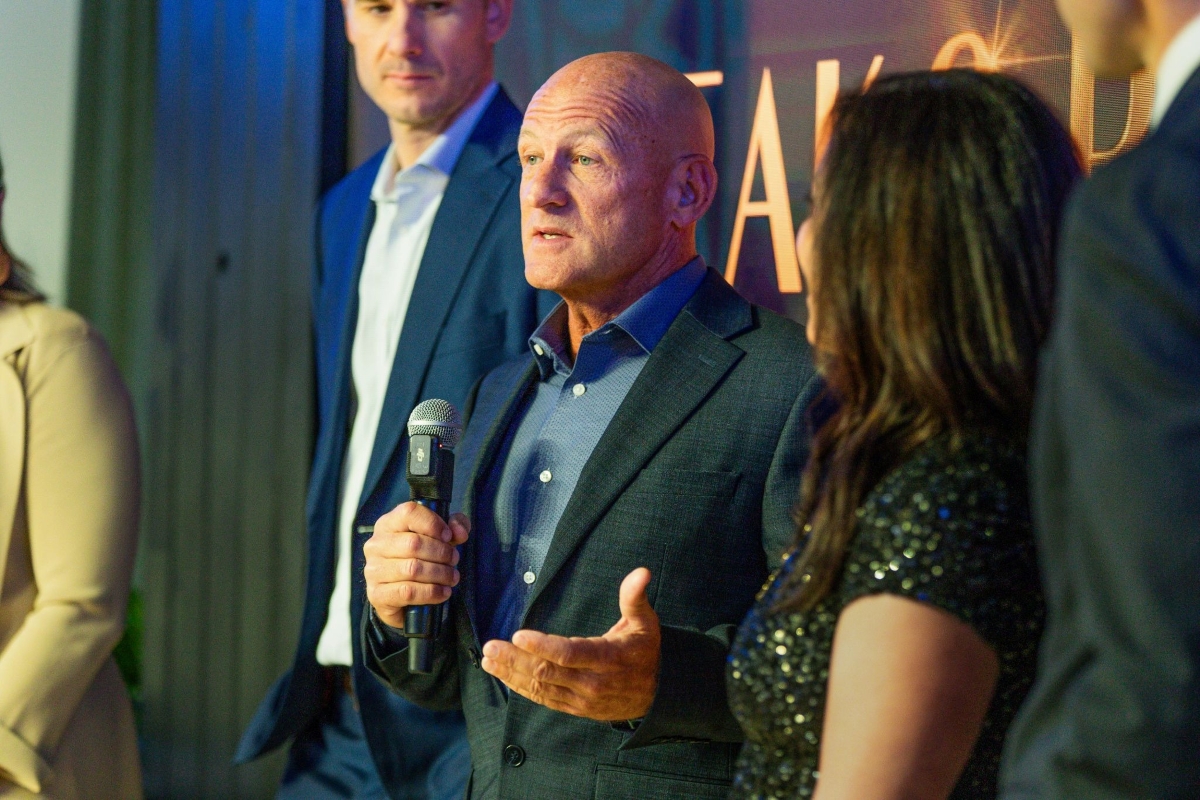
The first phase of his framework focuses on recognizing unhealthy dynamics, strengthening boundaries, examining coping mechanisms, and acknowledging grief. Hardy believes grief deserves particular attention because a person can mourn a relationship even when leaving it was necessary.
Someone may be grieving a spouse, but he may also be grieving the future he expected, the family structure he knew, his home, familiar routines, or even the person he believed he would become.
Hardy’s own experience with alcohol also informs his emphasis on coping mechanisms. His coaching encourages clients to recognize behaviors they use to escape uncomfortable emotions and then consider healthier routines that support the lives they want to build.
The goal is not to erase what happened. It is to stop allowing the past to dictate every decision about what happens next.
Rediscovering The Man Behind The Roles
The next part of Hardy’s approach centers on identity.
After years or decades in a relationship, people can become accustomed to defining themselves according to what others need from them. Divorce can expose how little time they have spent considering their own values, interests, boundaries, and aspirations.
Hardy encourages clients to explore those questions intentionally.
That process can include journaling, fitness, mindfulness, supportive communities, professional counseling when appropriate, and other constructive practices. His coaching also examines limiting beliefs and negative self talk that can make starting over seem impossible.
“What we do is who we become,” Hardy says.
For Hardy, rebuilding therefore involves action. A different future is not created solely by thinking differently. It is reinforced through new routines, stronger boundaries, healthier relationships, and decisions that reflect a person’s values.
Coaching is not a substitute for therapy, medical treatment, or legal advice. Hardy’s role focuses instead on helping clients identify goals, establish practical routines, strengthen boundaries, and create greater clarity around their next chapter.
Best Men’s Divorce Recovery Coach in Florida of 2026
Best of Best Review has honored John W Hardy, professionally known as the Men’s Divorce Recovery Coach, as the Best Men’s Divorce Recovery Coach in Florida of 2026. This recognition highlights his commitment to guiding men through post-divorce challenges, helping them rebuild their confidence, redefine their identity, and regain a sense of direction.
Combining personal insight with professional coaching education, Hardy supports men in developing healthier habits, setting stronger boundaries, and rebuilding trust in themselves. His approach centers on practical growth and personal responsibility, empowering clients to embrace new opportunities and create a more purposeful life after divorce.
Preparing For Relationships Without Losing Yourself Again
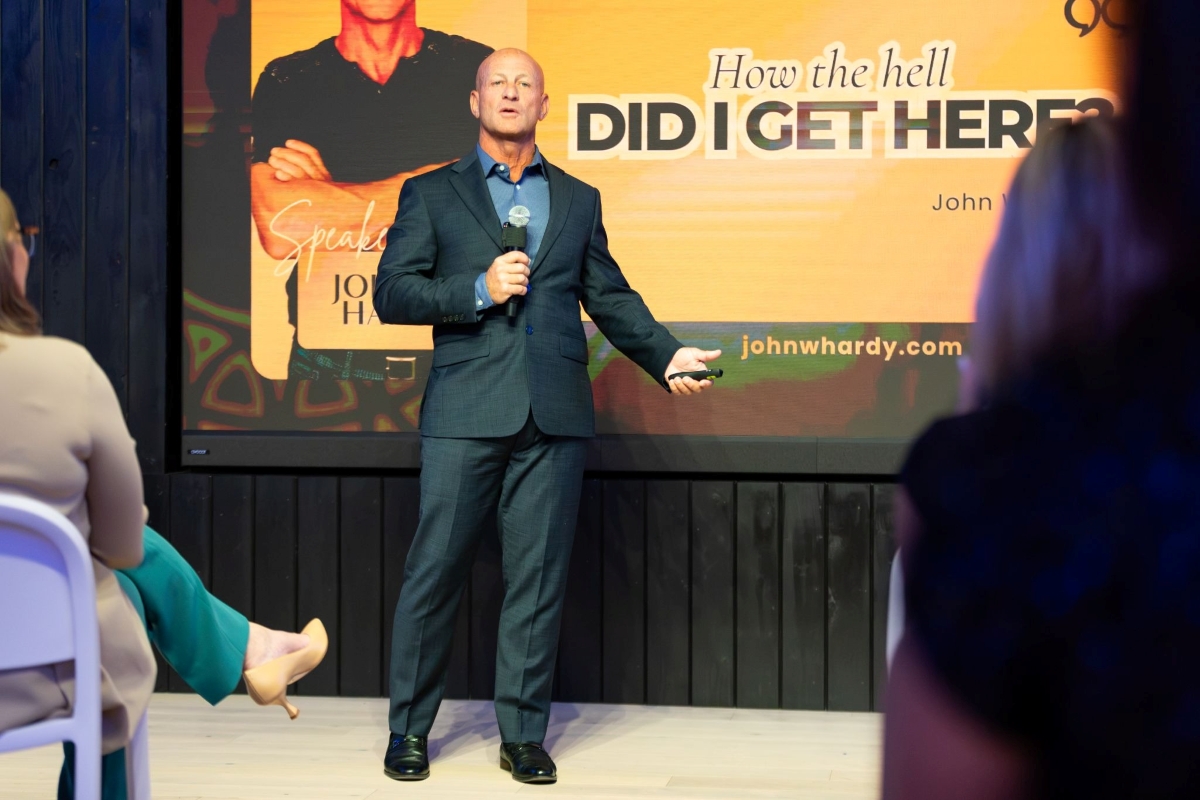
Eventually, many divorced men face another question: Am I ready to date?
Hardy’s approach avoids treating readiness as a date on the calendar. Instead, his coaching asks whether a person can enter a new relationship without expecting it to repair the wounds left by the previous one.
His digital dating work focuses on authenticity, communication, personal boundaries, awareness of concerning behaviors, and recognition of romance scams. Rather than encouraging clients to rush into another relationship, Hardy emphasizes curiosity and discernment.
The same philosophy carries into his work around long term relationships. Hardy encourages clients to maintain individuality, practice self care, communicate clearly, and choose partners according to shared values rather than unresolved emotional patterns.
For fathers navigating difficult co-parenting relationships, Hardy also emphasizes structured communication, documentation, boundaries, and decisions centered on children’s stability. Legal questions remain matters for qualified legal professionals.
Reclaiming A Thirst For Life
Perhaps the most important element of Hardy’s story is that his work does not frame divorce as the identity a man must carry forever.
It is an event. It may be painful, disruptive, and transformative, but it does not have to become the permanent definition of the person who experienced it.
“I help men go from suffering in silence to reclaiming their thirst for life,” Hardy says.
That idea reflects what Hardy ultimately sought for himself. He was not simply trying to survive the end of a marriage. He was learning how to create a life in which his identity extended beyond being someone’s husband, provider, protector, or fixer.
“You can’t add more years to your life, but you can add more life to your years,” Hardy says.
For men wondering where to begin after divorce, Hardy’s story presents rebuilding as a process rather than a single breakthrough. It starts with recognizing what needs to change, continues with rediscovering identity, and ultimately turns toward creating a future defined by greater clarity, connection, and purpose.
Readers interested in John W Hardy and his divorce recovery coaching can explore his work through his official website and connect with him on Facebook and LinkedIn.