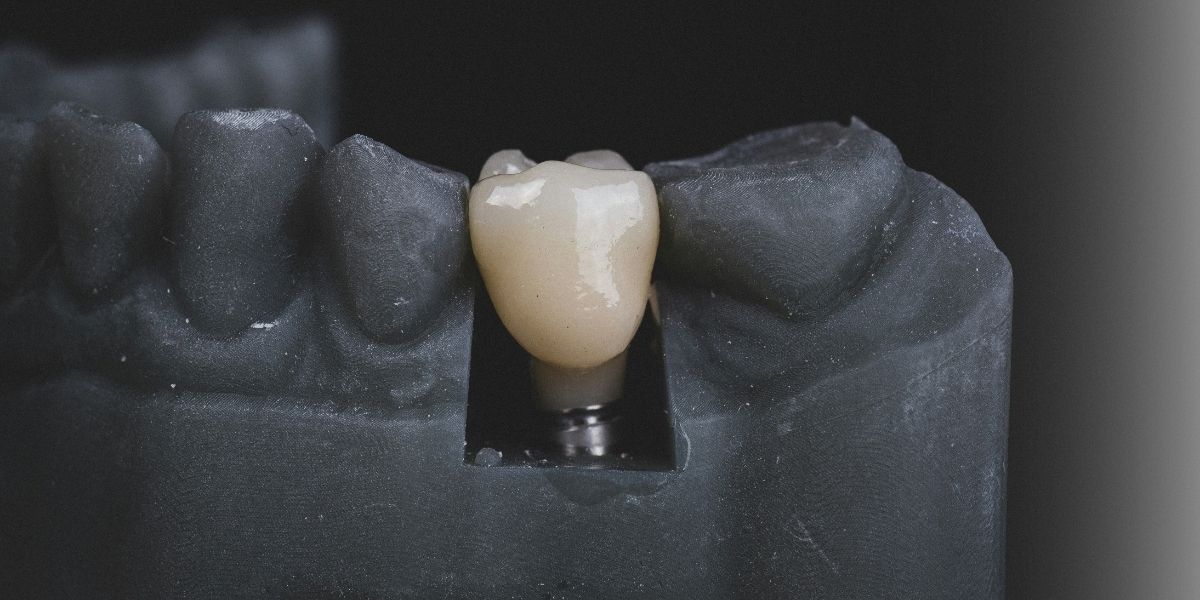


Losing a tooth will not just affect a person’s appearance. Teeth play an important role in chewing, speaking, and maintaining the structure of the jaw. When one or more teeth are missing or damaged, everyday activities such as eating or speaking clearly may become more difficult. Gaps in a smile can also affect a person’s confidence or their comfort in social settings.
Dental implants have become a widely used option for replacing missing teeth. These restorations are designed to function like natural teeth, serving as a long-term solution in situations where one or more teeth have been lost due to injuries, tooth decay, or other issues.
Why People Choose Dental Implants
Dental implants offer both functional and structural benefits. Unlike removable dentures, implants are secured to the jawbone and designed to remain in place. There are several reasons why someone may consider dental implants to replace missing or damaged teeth, including:
- Improved Chewing Ability: Missing teeth can make it difficult to bite and chew certain foods. Implants can restore the ability to eat a wider variety of foods.
- Stability: Because implants are anchored in the jawbone, they remain stable and do not shift while speaking or eating.
- Natural Appearance: Implants are designed to resemble natural teeth in both shape and color, allowing them to blend in with the surrounding teeth.
- Jawbone Support: When a tooth is missing, the jawbone may begin to deteriorate. Dental implants can stimulate bone growth, helping the jaw maintain its structure.
- Long-Term Durability: With proper care, dental implants can last for many years.
Types of Dental Implants
Dental implants can be used to replace a single missing tooth, several teeth, or an entire row of teeth. The type of implant that may be used will depend on the number of teeth being replaced and the condition of the patient’s jawbone. Options may include:
Single Tooth Implants
When only one tooth is missing or needs to be replaced, a single replacement tooth may be implanted. It will be designed and structured to fit into the other teeth, helping the implant blend naturally with the rest of the person’s smile.
Multiple Tooth Implants
When more than one tooth is missing, multiple implants may be used to support a dental bridge. Instead of using several single implants, a dentist may place implants at specific points along the jaw to anchor the bridge. The bridge will then be attached to these implants, providing a stable replacement for multiple missing teeth while reducing the number of implants needed.
Full Arch Implants
For people who are missing most or all of their teeth in the upper or lower jaw, full arch implants may be an option. In this approach, several implants will be placed in the jaw to support a complete row of replacement teeth. The implant-supported arch is designed to remain fixed in place, and it can restore both the appearance and function of a full set of teeth. This option can provide greater stability compared to traditional removable dentures.
How Dental Implants Work
The process of receiving dental implants involves several stages and takes several months to complete. The exact timeline can vary depending on the patient’s oral health and the number of implants required. This process will include:
Initial Evaluation and Planning
The first step usually involves a comprehensive dental examination. This evaluation may include imaging such as X-rays or three-dimensional scans to assess the condition of the jawbone and teeth. The dentist will review the patient’s oral health, determine whether implants are appropriate, and develop a customized treatment plan.
Implant Placement
During the implant placement procedure, a titanium post is placed in the jawbone in the location of the missing tooth. The post acts as an artificial root that will support the replacement tooth or teeth. After the implant is placed, the surrounding bone will heal and gradually fuse with the implant, creating a strong and stable foundation. The healing period may last several months while the implant bonds with the bone. A temporary tooth replacement will usually be placed while the implant heals.
Placement of the Final Replacement Tooth or Teeth
Once the implant has fully integrated with the jawbone, the final restoration, such as a crown, bridge, or full arch prosthetic, will be secured to the implant. The finished implant will closely match the other teeth and restore normal dental function.
Restoring Function and Confidence Through Dental Implants
Dental implants provide a versatile option for replacing missing teeth and restoring the ability to eat, speak, and smile with confidence. By supporting the jawbone and providing a stable foundation for replacement teeth, implants can help address the functional challenges of tooth loss while improving a person’s smile appearance. To understand the types of implants that may be available and the best solutions for replacing missing or damaged teeth, a person can consult with a dentist or oral surgeon.
Disclaimer: The information provided in this article is for general informational purposes only and is not intended as medical advice. Please consult with a licensed dentist or healthcare professional for personalized advice and treatment options. Results may vary, and outcomes depend on individual circumstances.