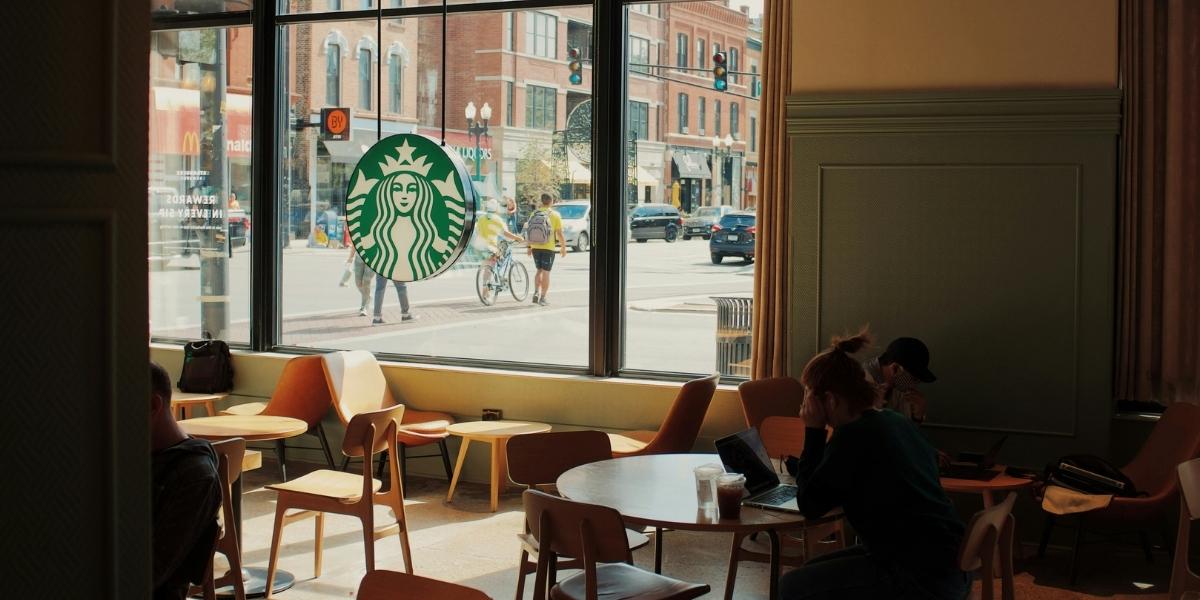
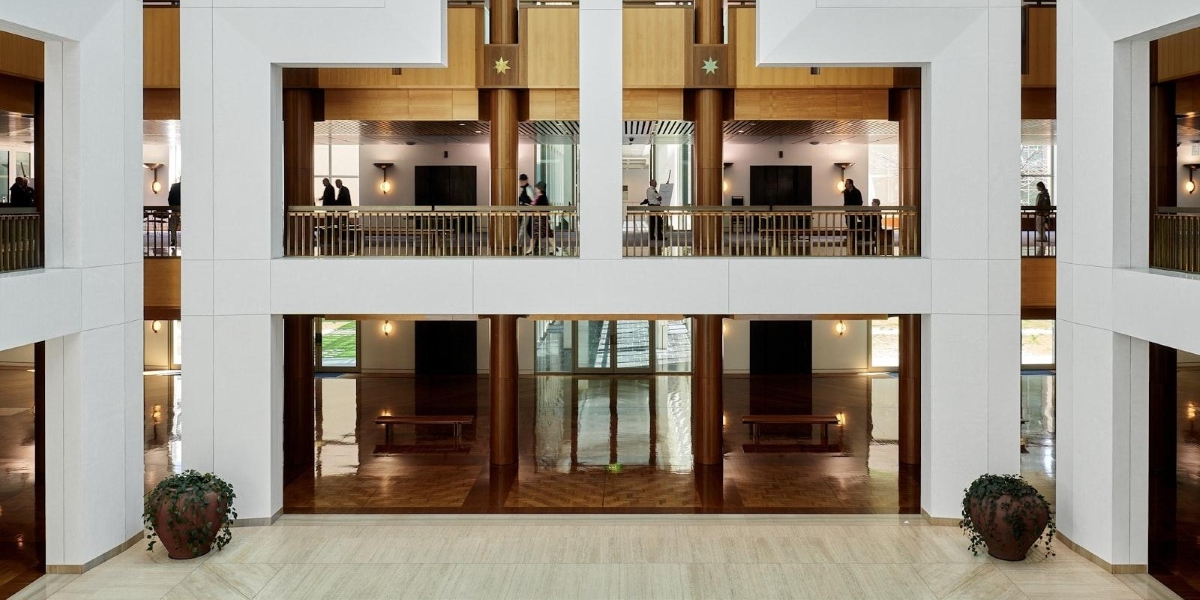
Over the past decade, wellness and sustainability have evolved from side conversations to central forces in interior design. According to ASID, by 2024, nearly 80% of designers identified health and environmental impact as core to their work. Yet as design’s focus on biophilia, light, and air quality has grown, one critical factor remains largely overlooked: sound.
Noise has quietly become one of the world’s most pervasive health threats, the second deadliest environmental pollutant after air pollution, according to the World Health Organization. Chronic exposure to unwanted sound increases stress hormones, disrupts sleep, and impairs cognitive function. Interior designer and violinist Lesley Ray is bringing this issue to the forefront, positioning sound as the next frontier in sustainable design.
Before establishing her San Francisco–based firm, Lesley Ray Design, Ray performed as a professional violinist, sharing the stage with icons such as David Bowie’s pianist Mike Garson, Jon Anderson of YES, and Pat Benatar. This early immersion in sound shaped her sensitivity to rhythm, resonance, and harmony, qualities she now applies to architecture and interiors.
Her approach views space as a composition. Each surface, texture, and proportion contributes to a room’s “acoustic fingerprint.” Rather than treating noise as an afterthought, she designs with the same intentionality musicians bring to silence, knowing that what we don’t hear can be as powerful as what we do.
Before founding her San Francisco–based firm, Ray spent the early part of her career in Ohio, where she worked alongside architectural teams advancing sustainable design standards. During that time, she collaborated with the U.S. Green Building Council to co-found Central Ohio’s first LEED Emerging Professionals Group. This initiative connected young designers and architects with national leaders shaping the early framework for green building certification. That work helped spark a cultural shift toward environmentally responsible design that continues to influence her professional perspective today. When Ray later transitioned to Silicon Valley, she brought with her the same principles of sustainability and human-centered thinking, applying them to high-performance environments that blend form, function, and environmental integrity.
Those experiences shaped her understanding of how the built environment influences the nervous system. Working on large-scale commercial projects, ranging from LEED-certified campuses to adaptive reuse renovations, Ray became increasingly aware of how people feel within a space: whether they breathe more easily, focus more deeply, or recover from stress more quickly. It was this curiosity that led her to begin exploring the intersection of sound, neuroscience, and emotion, a connection she now sees as central to the future of wellness-driven design.
Ray’s perspective has been widely sought across design and lifestyle publications, including House Beautiful, Sunset Magazine, and The Good Trade, where she has shared insights on the intersection of wellness, lighting, and natural materials. Her commentary often centers on how sensory experiences, particularly light and sound, affect emotional well-being. Rather than treating comfort as a luxury, she positions it as a form of health infrastructure. This philosophy has placed her among a growing group of designers redefining how interiors can support both human and environmental longevity.
Her writing and interviews reveal an approach that is both scientific and deeply personal, rooted in empathy, precision, and experience. She frequently references academic research from institutions like the Harvard T.H. Chan School of Public Health, which shows that indoor environmental quality, including air movement, materiality, and sound, can directly affect mood, focus, and cognitive performance. For Ray, this research validates what she’s observed intuitively as both a designer and a musician: that our environments play us back.
Throughout her career, Ray has served on national sustainability networks and participated in discussions around next-generation building standards. Her background in advocacy and green building has given her a rare ability to connect technical design practices with sensory and emotional outcomes, bridging the measurable and the intangible. As the EPA reports that Americans spend about 70% of their lives indoors, she believes that design must move beyond aesthetics to actively enhance how we think, sleep, and feel.
Looking ahead, Ray sees the next evolution of interior design not in new materials or styles, but in how environments respond to the human body. With sound increasingly recognized as one of the most significant environmental health factors, second only to air pollution, she’s focused on advancing strategies that address acoustic wellness at the architectural level. Her work reflects a future in which interiors quietly collaborate with their inhabitants, creating harmony not just in appearance, but in physiology.
As she continues to research and experiment with the intersection of acoustics, neuroscience, and design, Ray is helping shape a new vocabulary for what “wellness” in the home truly means. The next era of sustainable design, she suggests, will not only be seen or felt, but subtly, profoundly, heard.