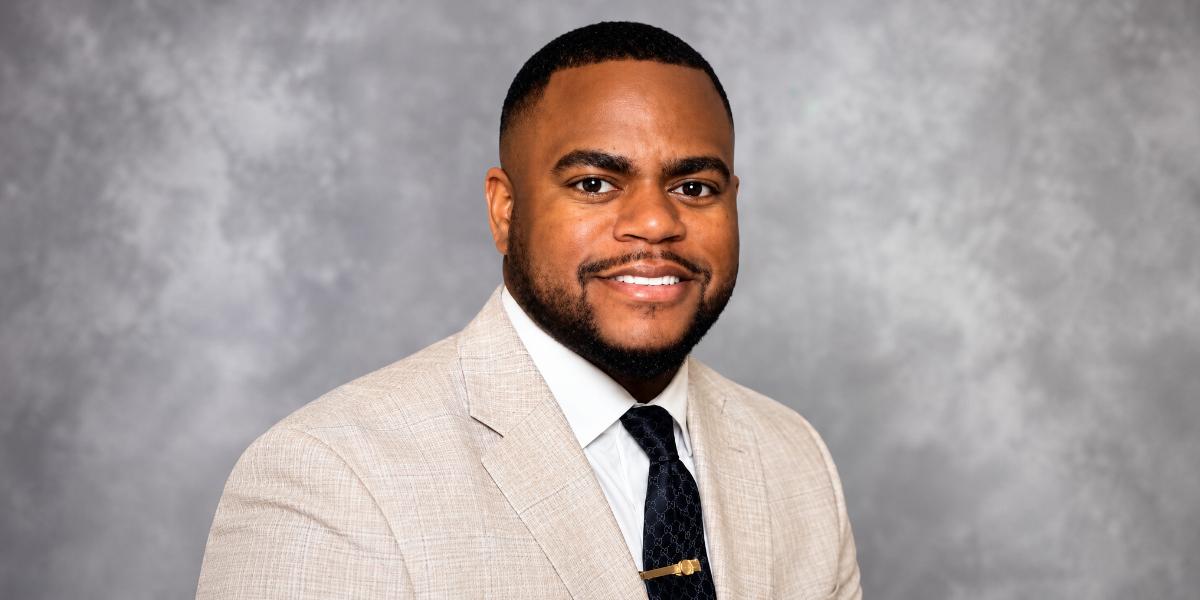

Airbnb’s CEO has outlined how artificial intelligence is impacting workplace leadership, highlighting that some traditional management roles are becoming less relevant while others evolve with more hands-on technical responsibilities.
Brian Chesky, CEO of Airbnb, recently shared his views on AI’s influence during business podcast appearances and earnings calls. He explained how AI tools are changing the way companies operate, with many tasks once handled by managers being automated. As a result, the role of leadership within companies is shifting.
Manager Roles in an AI-Driven Workplace
In a May 2026 earnings call, Chesky shared that AI now generates nearly 60% of Airbnb’s software code. With automation becoming more embedded in workflows, Chesky stated that AI’s integration forces teams to work faster, meaning that leadership roles also require deeper involvement in technical areas, such as coding and product execution.
He explained that leaders should transition from simply overseeing projects to engaging directly with the work itself. Managers who focus only on organizing teams without contributing to the core work of their business may see their roles diminished as AI tools handle tasks like coordination and analysis. Chesky emphasized that AI is taking over repetitive tasks, allowing leadership to focus on more strategic and creative contributions.
Reports from other sectors also show how AI and automation are leading companies to rethink traditional management structures. Many organizations are opting for fewer middle managers, placing more responsibility on leaders to engage directly with their teams and projects.
Hybrid Leadership: Combining People Skills and Technical Expertise
Chesky mentioned that in this new era of leadership, the most effective managers will need to blend technical knowledge with strong interpersonal skills. Rather than just organizing teams, these leaders will need to be involved in the technical side of the work, whether that means product development or operational tasks. This hybrid approach requires leaders to balance empathy and relationship-building with a strong understanding of the company’s core activities.
This shift is seen across the broader tech industry, where companies are flattening hierarchies and focusing more on collaboration between teams. Experts predict that leaders will need to take on a dual role as both supervisors and contributors, ensuring that their teams remain productive while working with AI to enhance operations.
AI in the Tech Sector: Beyond Airbnb
While Chesky has highlighted specific managerial roles that could evolve, the trend is broader in the tech industry. Many companies are reassessing their structures, with AI becoming a significant part of day-to-day operations. Financial tech firms, software companies, and others are embracing AI to handle repetitive administrative tasks, leading to less emphasis on managerial positions that focus solely on coordination.
However, AI is not replacing human leadership altogether. Instead, leaders are now tasked with guiding teams as they integrate AI into their workflows. Leadership skills, such as strategic thinking, communication, and creative problem-solving, remain essential as technology changes the way work is done.
Some organizations have started flattening their structures, removing layers of management to give leaders more control over their teams. Others are shifting to a model where managers work alongside AI to ensure productivity and team collaboration.
Impact on Early-Career Opportunities
Chesky also noted the importance of maintaining early-career opportunities, even as AI handles tasks traditionally performed by entry-level workers. He cautioned that minimizing these roles could impact future leadership development and the company’s culture.
Companies are being encouraged to preserve pathways for young professionals to gain real-world experience. This includes roles that involve more than just routine tasks, encouraging employees to develop essential leadership qualities that AI cannot replicate.
In a similar vein, workforce development experts argue that even as automation increases, human skills like critical thinking, creativity, and communication remain key. Leaders who help foster these skills in their teams will better equip them to work alongside AI tools.
Leadership Evolution in the AI Era
Chesky frames the ongoing changes to leadership roles not as a diminishing of human value, but as an adjustment to new expectations. Managers who embrace more hands-on involvement, engage with AI-enhanced workflows, and encourage a growth-oriented team culture are likely to thrive in this new environment.
On the other hand, leadership positions that focus primarily on managing others without contributing to the actual work may see reduced importance. As AI takes over repetitive tasks, organizations are placing more emphasis on leadership that participates directly in the company’s operations.
With AI playing a more prominent role, the future of leadership will be about guiding teams through technology integration while maintaining the human touch that fosters creativity, problem-solving, and collaboration.