
By: Natalie Johnson
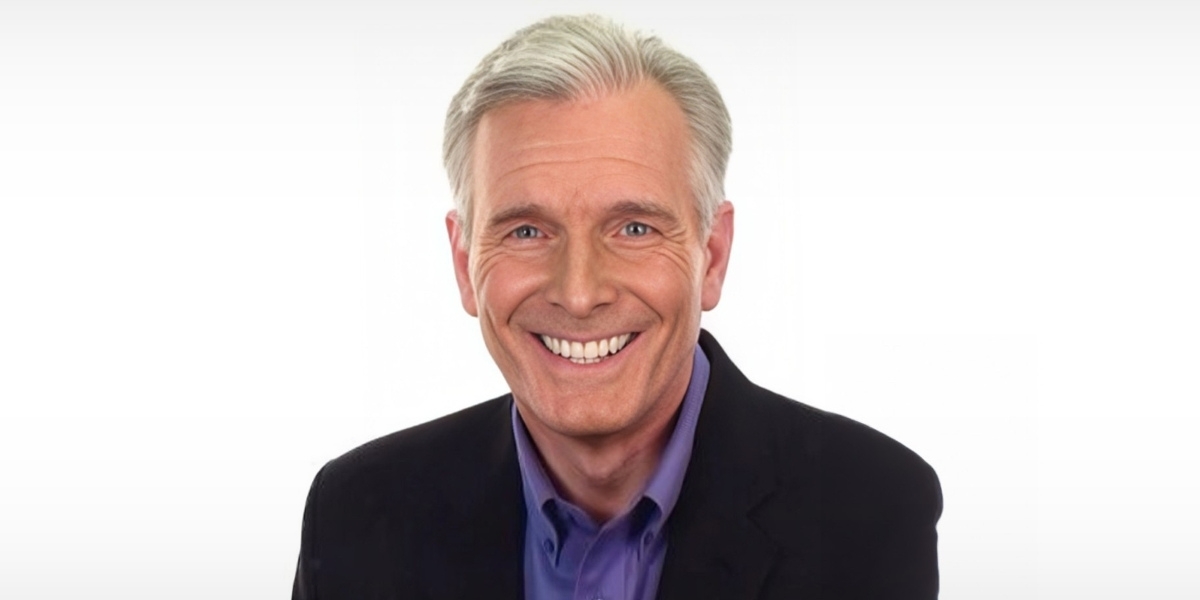
The medical education field has spent decades optimizing the wrong thing. Content mastery, data fluency, and authority in a therapeutic area are treated as the primary qualifications for a great presenter. Richard “Rick” Davis, President and CEO of Arbor Scientia, has spent over three decades working at the intersection of neuroscience, adult learning, and executive coaching. He believes the reason why brilliant clinicians consistently fail to land as educators is that “Many medical educators believe that content is king and that data is what separates good from great presenters,” Davis reflects. “To me, that is misplaced focus.”
The Three Questions Every Audience Is Already Asking
Before a presenter says a single word, an audience has already begun forming its judgment. Research confirms what experienced educators have long intuited: opinions are shaped before word one leaves the speaker’s mouth. The audience is not waiting to be impressed by data. It is asking three questions simultaneously: ‘Do you care about me?’, ‘Can you help me?’, and ‘Can I trust you?’.
The breakthrough moment Davis has witnessed unfold among seasoned clinicians is not a shift in technique. It is the realization that those three questions govern every presentation, whether the audience is one person or a thousand, and that answering them affirmatively requires a fundamentally different kind of preparation. Most presenters prepare one thing: content.
Davis identifies three equal preparation buckets:
1. What to say.
2. How to say it.
3. How to prepare oneself physically with adequate rest, hydration, and warmed vocal cords.
The fourth and most neglected preparation is the audience itself, which requires active connection-building before the presentation begins. “When a speaker understands that those three questions lie in every audience they are in front of,” Davis observes, “that is the turning point in their effectiveness.”
Expertise Is Not the Same as the Ability to Educate
The internal shift required to move from expert presenter to an educator is not about technique. It is about understanding why someone chose to be a medical educator in the first place. Davis is direct about what that ‘why’ should resolve to: serving. Helping others understand. And this is precisely where the most accomplished clinicians encounter their greatest obstacle. “The curse of knowledge makes it very difficult for those people to talk at a level that helps others understand,” Davis points out.
Being a world authority on a topic and being qualified to teach it are not the same capability. The true value of knowledge is only realized when someone can transfer the right level of understanding to others. “When they can do that,” he argues, “they are a significant force in their field, and can raise the bar for the entire field because of their ability to help others understand.” AI will not resolve this gap. Technology can shoulder the logistical burden of presentation creation, but it cannot generate what makes a medical educator superior. Connection cannot be automated, and connection is the primary driver of learning, regardless of topic.
When an audience feels understood and senses that the presenter is there to serve their needs, retention rises significantly. Davis references the Behavior Change Sequence, the principle that an audience must reach approximately 70% retention with new information before they develop the confidence to try a new clinical behavior. Creating that retention threshold quickly, through connection and a strong learning environment, is the defining skill of the next generation of medical educators.
Follow Richard “Rick” Davis on LinkedIn for more insights on speaker development, medical education, and transforming expert presenters into educators who drive real behavior change.