
Jason Gesser on Why Clear Communication Is a Risk Advisor’s Greatest Asset
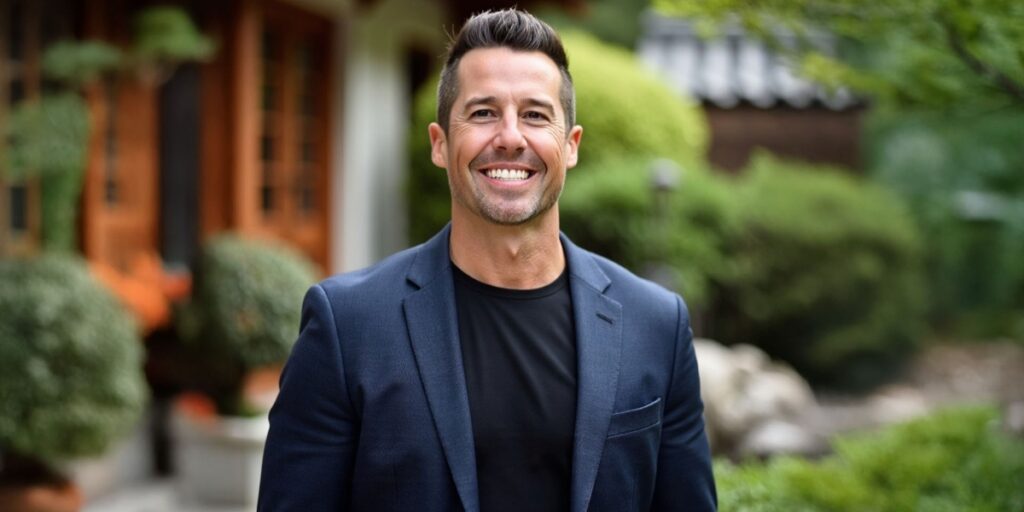
By: Natalie Johnson Clear communication is the most essential part of a Risk Advisor’s approach to business. The key to serving clients well is making sure that what is at stake is translated plainly. If stakeholders cannot openly see how risk translates into real financial, operational, and strategic consequences, they will not take action. “Clients […]
Doug Almstedt, The Agent Who Will Not Overpromise

Doug Almstedt has been selling real estate in Park City, Utah for sixteen years. That is long enough to have weathered market shifts, seen trends come and go, and watched the area grow into one of the most sought-after destinations in the Mountain West. Through all of it, he has stayed focused on the same […]
Erica Blair Builds Trust in Northern Michigan, One Home at a Time

Buying or selling a home is one of the most significant decisions a person can make. In an industry where transactions can sometimes feel impersonal, Realtor® Erica Blair recognizes the attention this decision deserves. Whether she’s working with first-time buyers who need guidance through unfamiliar territory or helping families relocate from out of state, her […]
Incoming CEO John Ternus Leads MacBook Neo Launch at Apple

Apple’s incoming CEO, John Ternus, leads the MacBook Neo sales surge, as Apple Inc. confirmed strong demand for its newly released laptop, with supply constraints persisting for over 45 days and a significant increase in first-time Mac buyers following the product’s launch. The company reported that the MacBook Neo delivered the highest number of first-time […]
How DSF Antique Jewelry Preserves Rare Pieces in the Digital Luxury Market

A New Chapter for Luxury Collecting In a luxury world increasingly shaped by digital discovery, global collectors look beyond conventional retail toward objects with history, craftsmanship, and long-term cultural value. Fine jewelry has always carried emotional significance, but rare antique and signed pieces now occupy a more sophisticated position in the market. They are viewed […]
From Purpose to Power: How Dr. Laticia Nicole Beatty Is Building a Scalable Legacy of Leadership and Impact

By Dr. Janella Rose In today’s business and leadership landscape, influence is no longer defined solely by titles or revenue; it is defined by impact, alignment, and the ability to create transformation at scale. Dr. Laticia Nicole Beatty embodies this modern leadership paradigm with precision and purpose. A healthcare executive, CEO, international speaker, and transformational […]
Jeffrey Rosa: Guiding Clients Beyond the Closing Table

By Matthew Keyser Jeffrey Rosa has spent three decades in the real estate world, and somewhere along the way, he decided that the usual approach wasn’t enough. Based in Cincinnati, Jeff works with buyers and sellers across the spectrum, from luxury homes to land, new construction to investment properties. But what sets him apart isn’t […]
From Adversity to Authority: How Dr. Samuel Malone Leads with Purpose

Leadership today is no longer defined solely by titles, positions, or corporate success. Instead, it is measured by impact, authenticity, and the ability to guide others through transformation. Dr. Samuel L. Malone represents this new paradigm of leadership, one rooted in resilience, integrity, and purpose-driven action. As an author, Certified Humanitarian Life Coach, Certified Alcohol […]
Tingey Injury Law Firm Sees Big Consequences from Lapses in Las Vegas’ Commercial Safety Culture

Las Vegas has always thrived on “more”: more visitors, more entertainment, more expansion. But behind the neon-lit storefronts, bustling casino floors, and suburban sprawl, safety can give way. As Nevada’s largest city expands at a pace that strains its infrastructure, institutions, and workforce, gaps in commercial safety culture can widen. And Tingey Injury Law Firm, […]
Brondell’s Corporate Growth and Philanthropic Engagement in the United States Home Wellness Market

The US home wellness and residential technology market has undergone a significant transformation over the past two decades, fueled by growing consumer concern over sanitation, water usage, and environmental quality. Innovative products combined with good corporate governance and verified recognition from the media have attracted attention from providers. As consumers demand solutions that address hygiene, energy, and […]
Elizabeth K. Whitney on How Nonprofit Utilities Are Preserving Affordable Rates

By: Natalie Johnson Ask most people what keeps electricity affordable, and you’ll hear about fuel costs, infrastructure, or regulation. Governance rarely makes the list. For Elizabeth K. Whitney, a longtime federal energy policy advocate, that’s the oversight that matters most. From municipal utilities and rural cooperatives to emerging models such as community choice aggregation, she […]


