
By: Mae Cornes
Zulu Ali has spent decades working at the intersection of disciplines that most attorneys treat as entirely separate, building a legal practice focused on criminal defense, immigration law, and international human rights advocacy that has drawn recognition from institutions ranging from the United Nations to the United States Court of Appeals for the Ninth Circuit.
A Career Built Around a Gap Others Ignored
Ali’s central insight, developed over years of observation rather than in a single moment, was that non-citizens facing simultaneous criminal prosecution and immigration proceedings were being consistently underserved by a legal system that treated these matters as unrelated. The consequences of that separation, such as a criminal plea that could trigger deportation, were often irreversible. His firm, Zulu Ali and Associates, LLP, was built specifically to address that structural failure, developing an integrated model of defense that legal scholars and journalists have described as “crimmigration” practice, in which criminal case outcomes are analyzed for their direct impact on a client’s immigration status.
What gives that model its depth is the background Ali brought to it. Before earning his law degree, he served in the United States Marine Corps. He spent more than a decade as a police officer, giving him a firsthand understanding of law enforcement procedure and prosecutorial strategy that most defense attorneys acquire only secondhand, if at all. That experience shaped how he reads cases, advises clients, and argues in court. “His firm provides integrated legal defense strategies rather than compartmentalized ones,” as coverage in Forbes Scotland, the Daily Journal, and Essence Magazine has noted, describing Zulu Ali and Associates as a model for equitable and comprehensive legal representation.
The firm has grown into the largest Black-owned law firm in California’s Inland Empire. This milestone reflects both institutional trust and measurable demand for the model Ali has constructed. His admissions to practice before the International Criminal Court at The Hague and the African Court of Justice are rare among American attorneys, positioning his firm to handle cross-border legal matters with a sophistication that most domestic practices cannot match. That international reach is not ornamental; it informs how his team approaches every case involving a client whose legal exposure crosses national boundaries.
A Federal Precedent With National Reach
Among the most significant moments in Ali’s career was his advocacy securing a published victory in the United States Court of Appeals, establishing a new legal standard for claims under the United Nations Convention Against Torture. Published appellate decisions are uncommon; published decisions that reset the legal standard on an international human rights instrument are rarer still. The ruling carries national implications and stands as one of the clearest indicators of his reach as a legal practitioner.
Zulu Ali and his daughter, Attorney Whitney Ali, were named among the Most Influential People of African Descent in Law and Justice, an initiative supported by the United Nations, placing them within an international cohort of legal leaders working to advance justice and human rights. Recognition from The National Trial Lawyers Top 100 and the American Institute of Trial Lawyers adds further layers of independent validation, each organization applying its own evaluative standards grounded in documented trial performance and professional integrity. Taken together, these recognitions reflect a career validated not by a single institution but by a consistent body of assessments across multiple disciplines and continents.
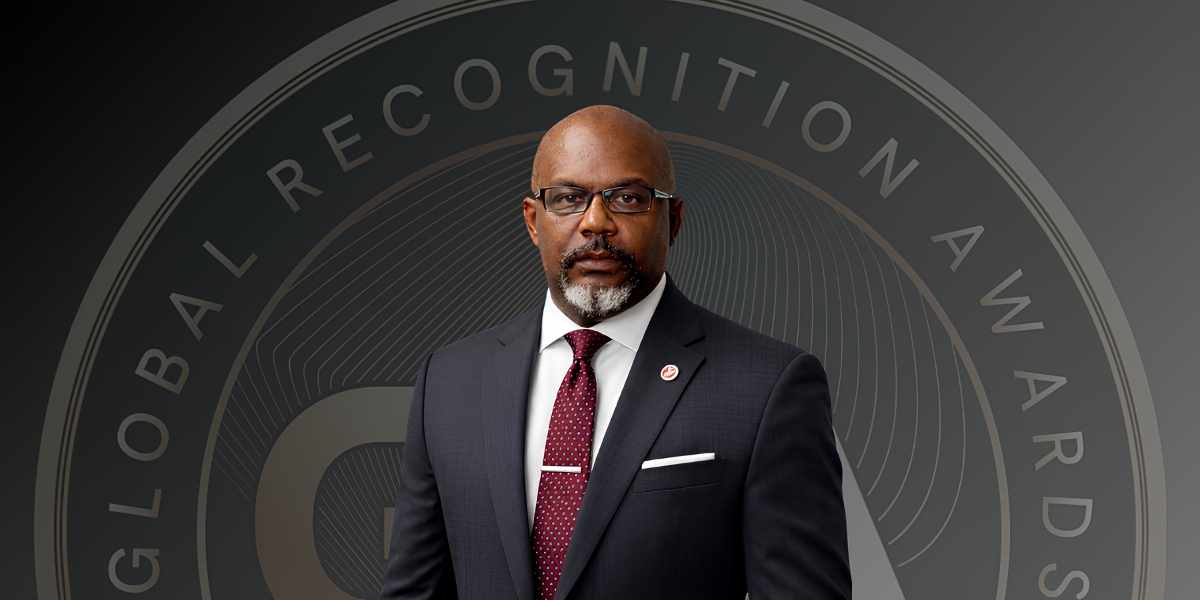
In 2026, Ali received a 2026 Global Recognition Award, evaluated using the Rasch model, a measurement framework that enables precise comparisons across candidates excelling in different categories. A panel of independent experts assessed his work across innovation, leadership, and service, and his portfolio scored at the program’s highest tier. “Zulu Ali exemplifies exactly the kind of world-class achievement this award exists to honor: a legal career defined by innovation, principled leadership, and a genuine commitment to communities that need it most,” said Global Recognition Awards spokesperson Alex Sterling.
Extending the Work Beyond the Courtroom
Ali founded the Linda Reese Harvey Stop and Frisk Leadership Academy, which educates young people on their constitutional rights and how to navigate interactions with law enforcement. He also operates the Southern California Veterans Legal Clinic, which provides low-cost and pro bono legal services to veterans and active-duty military personnel. These programs are not peripheral additions to a legal career; they reflect the same principles that shaped his practice, that access to competent legal counsel and basic legal education should not depend on income or immigration status.
The veterans clinic draws directly on Ali’s own military service. His time in the Marine Corps gave him a specific understanding of what service members face upon returning home, and that understanding has translated into a program that addresses genuine legal need without expectation of commercial return. The decision to invest sustained time and resources into populations that generate little revenue is a more precise measure of professional commitment than any court victory or professional recognition.
What Ali’s body of work ultimately demonstrates is not a refinement of conventional legal practice but a reconsideration of the assumptions on which it rests: that criminal and immigration law can be neatly separated, that international human rights frameworks are the province of specialists far removed from everyday defense work, and that community investment is somehow distinct from professional practice. His career has been built, over decades, on rejecting each of those assumptions in turn, and the communities he serves are more effectively represented because of it.