
By: Natalie Johnson
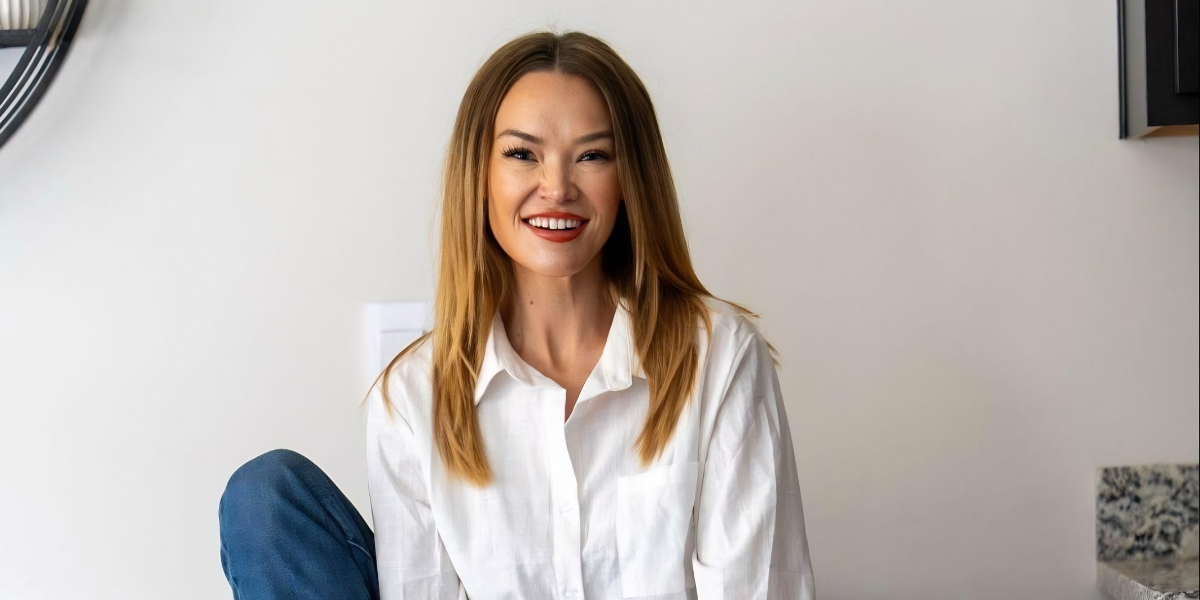
For mission-driven organizations, growth can create a difficult tension between expanding reach and operational capacity and maintaining the people and principles that made the organization matter in the first place. For Brittney Schuessler, Founder and Chief Executive Officer of Solterra Schools, the answer is not to choose between purpose and performance, but to build systems where the two reinforce each other.
“A mission becomes real when it costs you something,” Schuessler says. That idea is central to her approach to mission-driven scaling. At Solterra, a growing network of therapeutic schools serving neurodivergent learners, purpose is intended to influence everything from classroom design and employee support to resource allocation and measures of student progress. The underlying principle is straightforward: sustainable impact depends on hundreds of aligned decisions, not a single statement of intent.
Making Mission a Filter for Decisions
For Schuessler, purpose becomes operational when it functions as a filter for everyday choices, such as asking whether a decision moves the organization closer to what it set out to build and the people it is meant to serve. A mission is easy to uphold when a decision is profitable or broadly supported. The harder test comes when protecting it means slowing down, reconsidering an opportunity, or investing more than originally planned.
At Solterra, this philosophy is reflected in a regulation-first approach to education. “We believe regulation comes before rigor,” Schuessler says, meaning that emotional and physical safety cannot be sacrificed in the name of efficiency or performance. The result is a model of organizational design in which the internal operating system is expected to reflect the institution’s external mission.
Scaling Starts With the Problem, Not the Solution
Solterra moved from concept to a multi-site organization in less than a year, and Schuessler attributes that pace to having defined the problem it was trying to solve. “We got clear about the problem before becoming attached to the solution,” she says. For neurodivergent learners, that meant recognizing that another conventional school would not necessarily address the underlying need. The environments themselves had to account for safety, relationships, sensory input, communication, and learning.
That clarity shaped everything that followed, from curriculum and clinical practice to facilities, compliance, and financial systems. It also meant building culture before opening buildings. Decision-making principles, communication practices, and expectations for how employees and families would experience the organization were established alongside the physical infrastructure. “Speed did not come from skipping steps,” Schuessler says. “It came from knowing which principles were nonnegotiable and remaining flexible about almost everything else.”
Operational Discipline Is a Leadership Practice
As organizations grow, founders can become increasingly removed from what employees are experiencing. Strong performance metrics can obscure declining trust, confusion, or exhaustion. One of the clearest signals of organizational health at Solterra is that “people feel safe enough to tell the truth.” Employees can ask questions, raise concerns, admit mistakes, challenge decisions, and offer ideas without fear. Silence, Schuessler stresses, is not necessarily alignment. “It can signal disengagement or fatigue.”
Operational discipline also requires clarity. Employees need to understand the mission, their responsibilities, who owns decisions, and what success looks like. Healthy growth should create greater organizational capability, rather than increasing dependence on a single founder. For Schuessler, this is where embodied leadership and operational excellence meet. Culture is not separate from strategy. Trust, belonging, and employee capacity are organizational inputs that deserve attention alongside revenue and productivity.
Growth Should Expand Access Without Diluting Quality
The pressure to scale is likely to intensify as new funding pathways potentially make specialized education more accessible to families. Schuessler argues that increased access without increased capacity could simply shift the problem. The growth question, therefore, becomes less about how many locations an organization can open and more about how it can expand access while protecting quality. That requires stronger pipelines for specialized educators and clinicians, replicable training systems, meaningful outcome measurement, and partnerships that expand capacity without diluting the model. It also requires helping families navigate an increasingly complex landscape. Funding alone does not ensure that a child will find the right educational environment.
The broader lessons gleaned from Solterra’s success so far extend beyond therapeutic schools. The strongest mission-driven organizations will need to combine human-centered institutions with rigorous systems design. They will have clear decision rights, accountable leadership, sustainable financial models, and meaningful outcome data, while reducing their dependence on a charismatic founder. “The organizations that create the greatest impact will not necessarily be the ones that grow fastest,” she says. “They will be the ones capable of growing without abandoning the people, principles, and purpose that made the work matter in the first place.”
For more insights, follow Brittney Schuessler on LinkedIn.