
In a healthcare system where many women feel unseen, rushed, or reduced to isolated symptoms, Dr. Sabina Khan is building technology designed to recognize the full complexity of women’s lives.
For years, Khan has worked across women’s health, research, academia, and clinical care, where she repeatedly encountered the same pattern. Women were often left navigating fragmented healthcare systems while trying to make sense of symptoms, stress, hormonal changes, chronic conditions, mental health struggles, and everyday responsibilities largely on their own.
The issue, in Khan’s view, was never simply a lack of information. It was a lack of integration. Too often, systems addressed isolated symptoms while overlooking the broader context of a woman’s lived experience, including the emotional, cognitive, neurological, social, and physiological factors shaping daily life.
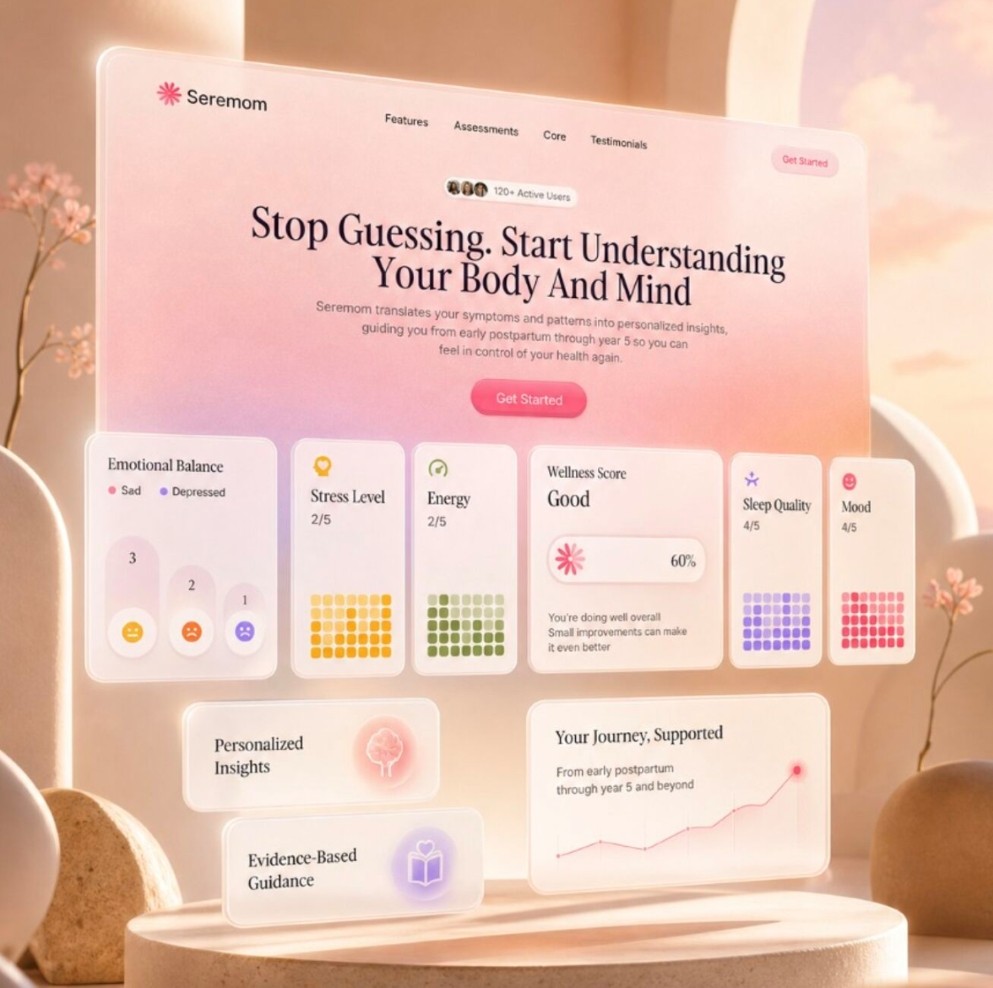
That realization became part of the inspiration behind Women’s Health Collective Consulting and its AI-driven platform, Seremom, designed to support women through the postpartum years and beyond. The platform combines personalized assessments, daily check-ins, educational content, grounding tools, and AI-guided insights intended to help women better understand patterns in their physical, emotional, and cognitive health while making support and health education more accessible.
More importantly, Seremom was intentionally created to include women who are frequently overlooked within mainstream wellness technology, including those living with neurological and chronic health conditions such as multiple sclerosis, cerebral palsy, migraines, stroke recovery, autoimmune disorders, chronic pain conditions, and other complex medical experiences.
Building Beyond Traditional Wellness Apps
Many digital health platforms focus heavily on optimization, productivity, or generalized wellness advice. Khan wanted to build something different.
Her years of work with women exposed her to realities that often remain invisible within healthcare conversations: nervous system dysregulation, cognitive overload, chronic fatigue, emotional exhaustion, sensory overwhelm, invisible disability, identity shifts, and the pressure of functioning through all of it while appearing outwardly composed.
For postpartum women in particular, these challenges are often intensified by fragmented support systems and unrealistic expectations surrounding recovery and motherhood.
Globally, maternal health disparities remain a major public health concern, particularly in communities with limited healthcare access, financial barriers, and inadequate postpartum support. The World Health Organization estimates that approximately 287,000 women died during and following pregnancy and childbirth in 2020, with the vast majority of deaths considered preventable through timely access to appropriate care. In the United States, the CDC has also reported that more than 80% of pregnancy-related deaths are preventable. These realities highlight the growing need for accessible education, early support, and tools that help women better recognize patterns in their health and well-being before concerns escalate.
Rather than treating health as a collection of disconnected metrics, Seremom was designed around the understanding that women’s experiences are deeply interconnected. Sleep influences cognition. Stress affects pain and hormonal regulation. Trauma shapes emotional regulation and daily functioning. Chronic neurological symptoms influence routines, relationships, identity, and participation in everyday life.
The platform’s AI guidance system helps users reflect on these patterns over time through personalized insights based on assessments, symptom trends, wellness check-ins, and self-reported experiences.
Centering Women Historically Left Out of Digital Health
One of the defining aspects of Seremom is its commitment to inclusivity within women’s health technology.
Khan recognized early that many health applications unintentionally exclude women whose experiences do not fit narrow wellness narratives. Women living with disabilities, chronic illnesses, neurological conditions, traumatic birth experiences, or long-term health complications are often absent from mainstream postpartum and wellness platforms.
Seremom was developed with those women in mind from the beginning.
The platform acknowledges that motherhood, recovery, emotional health, and wellness can look profoundly different for women managing chronic migraines, mobility limitations, autoimmune disease, neurodivergence, stroke recovery, chronic fatigue, or fluctuating neurological symptoms.
For Khan, inclusive design reflects a structural philosophy centered on recognizing the complexity of women’s lived experiences.
She believes women deserve health technology that recognizes complexity rather than simplifying it away.
A Blend of Technology, Education, and Nervous System Support
In addition to AI-supported guidance, Seremom incorporates educational articles and grounding tools designed to support emotional regulation and nervous system awareness. Women can also ask Seremom AI to consider the information entered into the platform, such as assessment results, daily check-ins, and journal entries, when offering personalized reflections, educational insights, or supportive next steps.
Khan’s background in trauma-informed care heavily influenced the platform’s development. Through years of research, education, and clinical work, she observed how chronic stress, trauma exposure, medical uncertainty, and caregiving demands can profoundly affect emotional and physical well-being.
The platform’s grounding features are intended to provide practical support for moments of overwhelm, anxiety, emotional dysregulation, or mental fatigue. Educational content also helps users better understand connections between stress, cognition, hormones, chronic symptoms, sleep, movement, and overall functioning.
Rather than positioning the platform as a replacement for medical care, Khan describes Seremom as a tool for greater awareness, reflection, and informed self-understanding. Seremom is currently in beta and is being developed as a source of free support and education for postpartum women navigating the years after birth, particularly women who may no longer have consistent access to healthcare, specialized services, or ongoing postpartum support.
Leading a Broader Vision for Women’s Health
Beyond Seremom, Khan’s broader work through Women’s Health Collective Consulting includes women’s health education, trauma-informed care, leadership development, research, and health technology innovation.
She is also an assistant professor, researcher, and author whose work focuses on women’s health, trauma-informed care, chronic illness, behavioral health, and the future of human-centered AI in healthcare and education.
Across these roles, one theme consistently emerges: healthcare systems often underestimate the complexity of women’s experiences.
Khan believes the future of women’s health will require more than isolated symptom tracking or one-size-fits-all solutions. It will require technologies, educational systems, and models of care capable of seeing women more fully within the realities of their everyday lives.
Through Seremom, currently in beta, and Women’s Health Collective Consulting, Khan is building a women’s health platform centered on inclusive design, responsible AI, and scalable support for women navigating complex and often overlooked health experiences.
Disclaimer: Seremom is not intended to replace medical services, emergency care, diagnosis, treatment, or professional medical advice. The platform was designed as a supportive educational and self-awareness tool intended to help women recognize patterns, reflect on their experiences, access reliable information, and feel more supported while navigating complex health experiences.