
By: Natalie Johnson
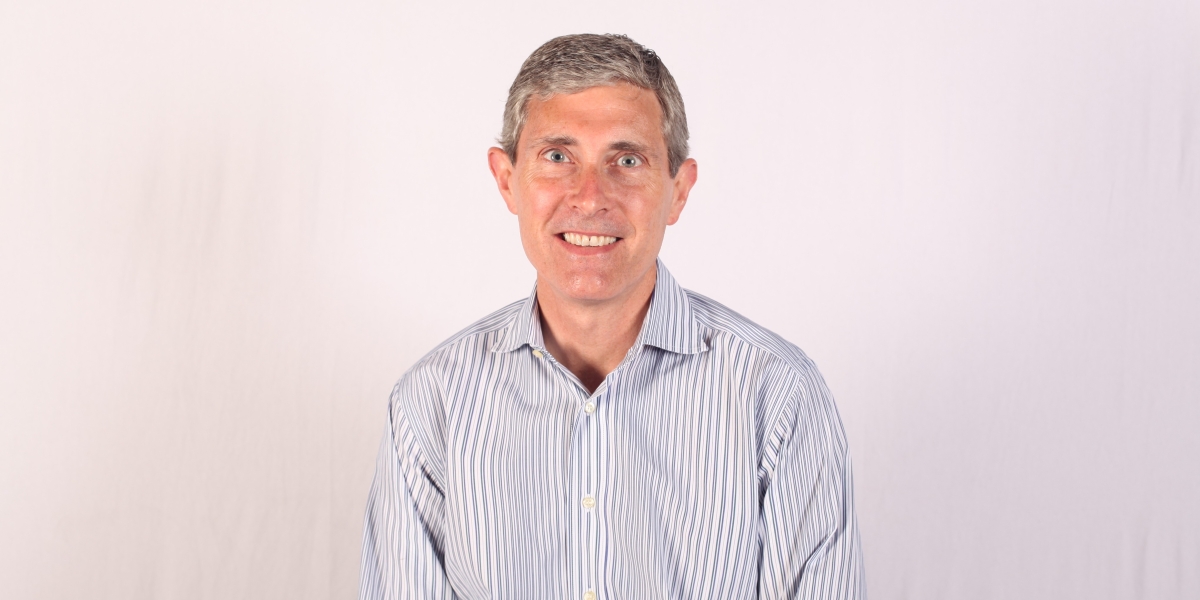
Most companies know their HR data is a problem. Few understand exactly what kind of problem it is, which is why most attempts to fix it fall short. Tony Buffolino, COO of Calibrate HCM and former executive vice president (EVP) at Paycom, where he held seven roles across nearly a decade, has built his entire practice around that distinction. Not all HR data problems stem from the same source, and treating them as if they do is what keeps organizations stuck. “Where people, process, and platforms align” is Calibrate’s operating philosophy, and people come first deliberately.
Three Problems, Three Disciplines
Calibrate HCM addresses HR data challenges through three distinct service divisions, each targeting a different layer of the problem:
- The Data Services division focuses on the movement and presentation of data, custom integrations ensuring systems communicate with each other, migration of legacy data into current platforms, and custom conversions, reports, and analytics.
- The Technology Consulting division focuses on data structure, where data lives within a human capital management (HCM) platform, how it is organized and input, and how it moves between modules. Getting this layer right is what drives genuine return on investment from HCM platforms, and Calibrate’s consultants know every major platform well enough to apply best practices across all of them.
- The HR Managed Services division focuses on how data surfaces to real-world people problems, payroll processing, employee onboarding, benefit enrollment, leave case management, and company policy administration.
The three divisions address distinct problems, but they share a common foundation: data accuracy and integrity. Everything Calibrate does is built on that foundation, including its own internal operations.
“We build scalable and automated processes internally,” Buffolino says. “We practice what we preach about accurate data flows and data integrity.” A firm advising clients on HR data infrastructure runs on exactly the same principles internally, which is part of what makes the advice credible.
Why AI Reliability Starts With Data Quality
The conversation around AI agents making real decisions inside HR workflows is no longer theoretical. The technology is advancing at a pace that makes the timeline shorter than most HR leaders expect. What Buffolino wants organizations to understand before they get there, is the dependency that determines whether those decisions will be reliable. “With bad underlying data or bad processes, good AI is just going to automate the wrong thing faster,” Buffolino says. The validity of any decision an AI agent makes is entirely tied to the quality, structure, and accessibility of the data enabling it.
Organizations that have not addressed their foundational data layer are not just unprepared for AI; they are building toward a scenario where AI accelerates their existing problems rather than solving them. The foundational work is not a prerequisite that can be deferred until AI is ready to deploy. It is the work that determines whether AI deployment produces value or compounds existing dysfunction.
The Cost of Waiting Is No Longer Theoretical
The pace of AI advancement means the gap between organizations that have prepared their data and those that have not is widening exponentially. There is no plateau on the horizon where it becomes safe to wait. “If you are not leaning into AI in your workforce, your processes, and your data, you will quickly find yourself behind organizations that are,” Buffolino says.
Every business operation has deep-rooted HR data critical to how it functions. Every business, regardless of industry or workforce profile, has AI tools available to make its operations more effective. The organizations that get their data ready to use those tools now are building an advantage. The ones that defer are not standing still. They are falling behind at an accelerating rate.
Follow Tony Buffolino on LinkedIn or visit Calibrate HCM for more insights on HCM strategy, HR data services, and building scalable HR operations.