
CEO’s Tightrope Walk: How to Balance Vision and Execution
Chief executive officers often find themselves caught between two distinct responsibilities—developing a compelling long-term vision and ensuring that the organization ...
Read more
Chief executive officers often find themselves caught between two distinct responsibilities—developing a compelling long-term vision and ensuring that the organization ...
Read moreRare Beauty, the cosmetics brand founded by Selena Gomez, will officially be available at Ulta Beauty starting February 1, 2026. ...
Read moreOn December 15, 2025, Microsoft’s CEO, Satya Nadella, unveiled a significant restructuring of the company’s executive ranks, aiming to further ...
Read moreThe professional world is focused on the Omaha headquarters as the clock runs out on Warren Buffett’s sixty-year tenure as ...
Read moreThe U.S. government has recently announced a significant expansion of its travel ban, adding seven more countries to the list ...
Read moreLululemon Athletica has announced that Calvin McDonald will step down as CEO in January 2026, closing a seven‑year chapter that ...
Read moreThe latest data from the Business Roundtable’s CEO Economic Outlook Index reveals a modest increase in executive confidence as we ...
Read moreThe Vision Behind Self-Employment in the U.S. A recent national survey from Gallup revealed that 62% of U.S. adults prefer ...
Read moreApple CEO succession has become one of the most talked‑about topics in Silicon Valley, gaining increasing attention as Tim Cook ...
Read moreChatGPT has officially turned three, marking an important milestone in the evolution of artificial intelligence and its growing role in ...
Read moreCoffee, an essential part of daily life for millions of Americans, has become noticeably more expensive in 2025. According to ...
Read moreAmazon is taking a big step into home entertainment with its new Alexa Home Theater feature. Starting in 2026, Alexa ...
Read moreApple has confirmed that it’s slashing dozens of roles within its global sales division as part of a strategic overhaul. ...
Read moreEntrepreneurship MBA programs are gaining significant attention in 2026, with global rankings now highlighting schools that excel in preparing students ...
Read moreSundar Pichai, CEO of Alphabet Inc., has recently issued a cautionary note regarding the rapid growth of artificial intelligence (AI), ...
Read moreNike, a global leader in performance-driven innovation, is charting a bold new course in 2025 under the leadership of CEO ...
Read moreWalmart is entering a new chapter as Doug McMillon announces his retirement as CEO, effective January 31, 2026. His successor, ...
Read moreOn November 12, 2025, the U.S. Mint pressed its final penny at the Philadelphia Mint, closing the chapter on a ...
Read moreThe penny has long held a special place in American culture, far beyond its humble role in the nation’s economy. Featuring Abraham Lincoln’s profile since 1909, it became a symbol not only of American history but also of everyday thrift, embodying the values of frugality and resourcefulness that shaped the country. For more than a century, it represented the idea of small savings adding up over time. The familiar copper color and small size made the penny easily accessible to people from all walks of life, symbolizing the accessibility of wealth and opportunity in a democratic society.
Its retirement marks the end of a coin that connected generations. From Depression-era savers who pinched every penny to families today teaching children how to count using pocket change, the penny has been a constant presence. For those who grew up during the Great Depression, pennies were not just coins, they were small, tangible reminders of survival, work, and perseverance. Over time, it became a piece of nostalgia, ingrained in American childhood as children would drop pennies into piggy banks, and parents would use the coin to teach lessons in saving and budgeting.
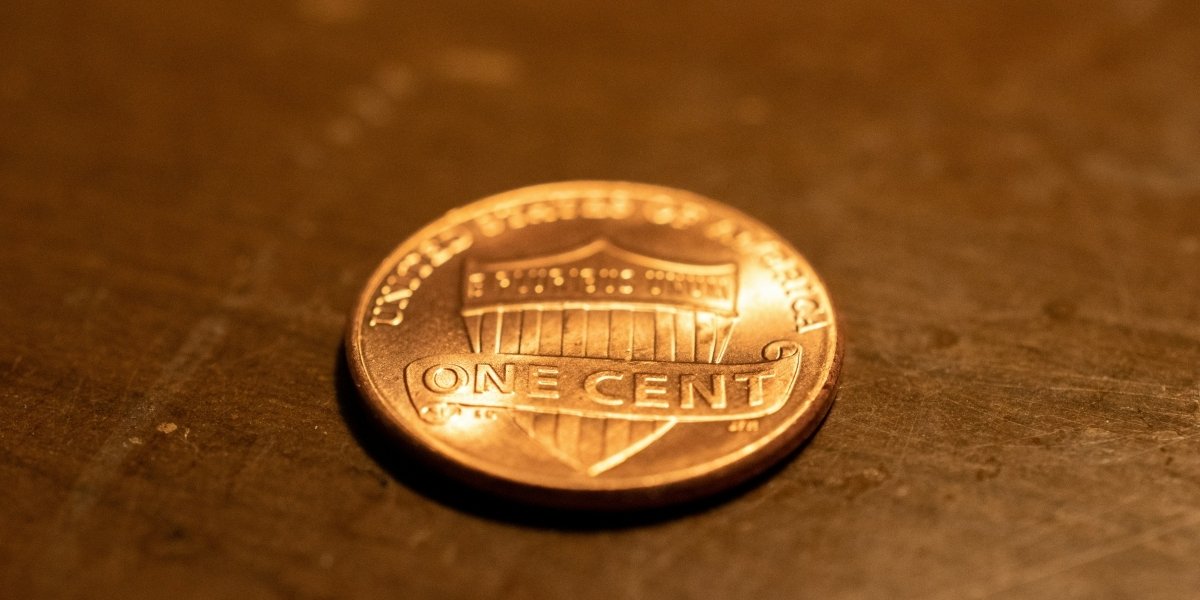
Even as its economic utility began to fade, the penny retained a sentimental value that transcended its function. It was part of countless cultural traditions, such as the popular saying, “Find a penny, pick it up, and all day you’ll have good luck.” This simple rhyme captures the penny's symbolic power, suggesting that even the smallest amounts of money can bring fortune, and that little things in life matter. For generations, it has been a coin tied to memories, from youthful coin collections to moments of personal reflection where people found joy in their small change.
Its continued presence in rituals like coin drives or wishing wells also speaks to its place in both American tradition and folklore. Whether it’s tossing pennies into a fountain while making a wish or collecting pennies for a school fundraiser, the penny was a part of significant life moments for many. These acts created a sentimental attachment to the coin, even as it became less relevant in a world increasingly dominated by digital transactions.
The penny’s symbolic role wasn’t limited to daily life. It also found its way into the collective American consciousness, making appearances in songs, films, and idioms. Phrases like “A penny for your thoughts” and “Don’t spend a penny” are woven into the language, emphasizing the coin's enduring significance in shaping the way Americans think about money, value, and even social interaction.