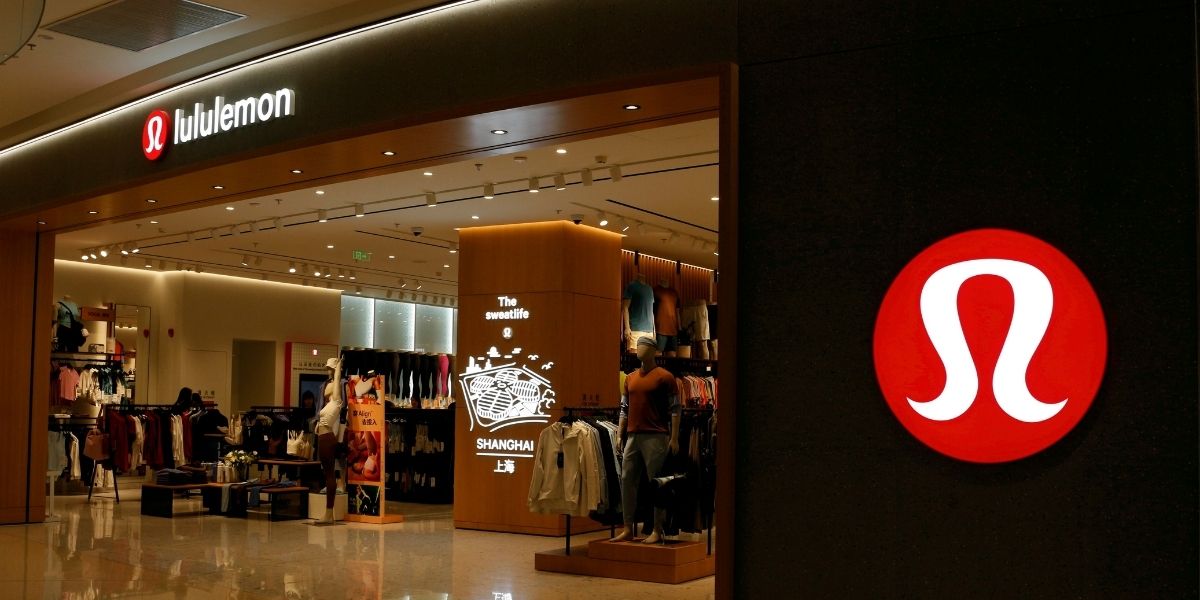

Lululemon Athletica has announced that Calvin McDonald will step down as CEO in January 2026, closing a seven‑year chapter that saw the company expand globally and undergo significant digital transformation. Despite the strong financial results, McDonald’s exit was part of a planned leadership transition rather than driven by any internal crisis or performance issues. McDonald will continue to serve as a senior advisor until March 2026, ensuring stability during the shift. This thoughtful transition highlights that executive changes can occur during periods of strength, with companies proactively managing leadership rather than reacting to problems.
In many ways, Lululemon’s leadership transition mirrors best practices in succession planning, where businesses not only ensure continuity but also set the stage for the next phase of growth. The company’s board of directors has already outlined a clear plan for leadership continuity by appointing interim co‑CEOs from within the company. This move signals to both investors and employees that the transition will be smooth, maintaining the operational stability the company has achieved under McDonald’s leadership.
For Lululemon’s stakeholders, this announcement raises questions about what the company’s future strategic direction will be. With strong growth numbers and a loyal consumer base, the upcoming changes will shape the company’s ability to adapt to evolving consumer demands and market competition.
Strong Financials Amid Leadership Change: A Test of Organizational Strength
Lululemon’s quarterly earnings have exceeded analysts’ expectations, signaling that the brand continues to thrive. Revenue growth was particularly strong in international markets, with significant contributions from Asia. The company also saw a surge in digital sales, which now make up a larger share of its overall revenue. Gross margins have remained resilient, despite competitive pressures in the athleisure market. This performance underscores how Lululemon’s business model continues to resonate with consumers, maintaining brand appeal even as it navigates leadership transitions.
The market response to the earnings announcement has been positive, with Lululemon’s stock price rising after the news of the CEO change and the earnings report. Analysts see the strong growth and the clear succession plan as positive signs that the company is well‑positioned to continue its momentum in a competitive retail environment. This is a clear indication that Lululemon’s brand equity remains intact, and its growth trajectory appears secure under its interim leadership team.
For the incoming CEO, the challenge will be to maintain this growth while managing new challenges in North American markets, where demand has cooled somewhat. The new leadership will need to ensure that the company remains agile enough to adapt to changing trends while continuing to capitalize on its existing strengths.
Smooth Leadership Transition: Lululemon’s Succession Plan Unveiled
Lululemon’s board of directors has mapped out a thoughtful succession plan by appointing Meghan Frank, the company’s CFO, and André Maestrini, Chief Commercial Officer, as interim co‑CEOs. This decision reflects a commitment to maintaining operational continuity while the search for a permanent CEO takes place. Marti Morfitt, the board’s chair, will also take on the role of executive chair, helping to guide the leadership team during this period of transition.
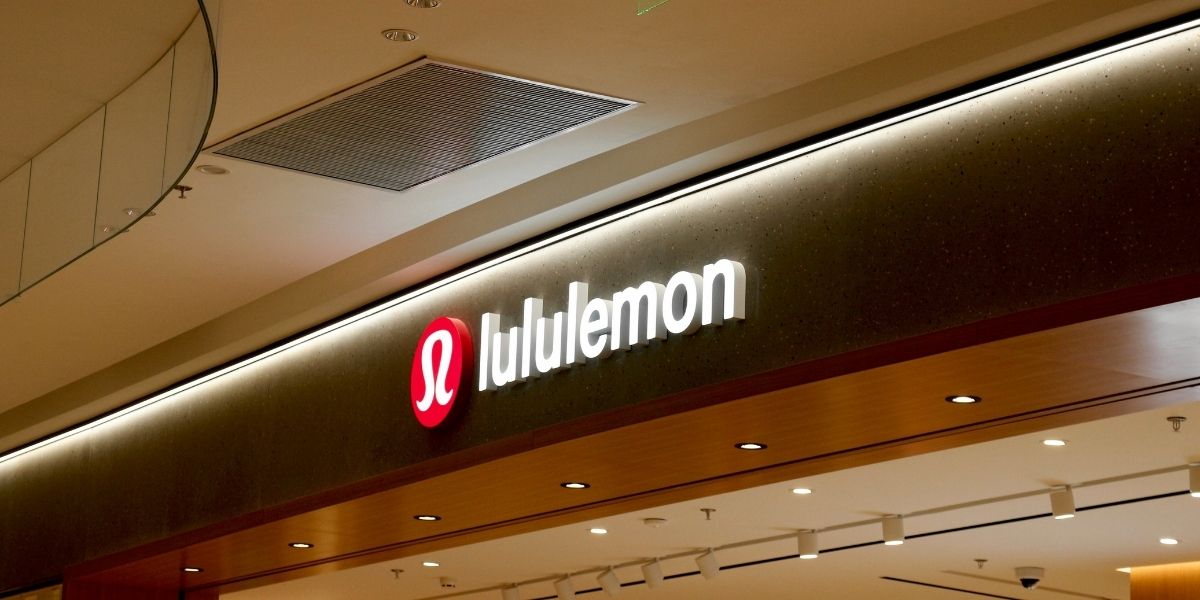
By promoting internal talent to the top leadership positions, Lululemon ensures that strategic priorities such as financial discipline, global expansion, and commercial growth remain the focus. The interim co‑CEO structure is designed to leverage the strengths of Frank’s financial expertise and Maestrini’s global strategy experience, ensuring that the company’s day‑to‑day operations continue smoothly without disruption.
This governance strategy is a clear indication that Lululemon values internal leadership development and recognizes the importance of a long‑term succession plan in sustaining corporate success. For other companies considering leadership transitions, Lululemon’s example demonstrates how to balance stability with the potential for new leadership insights during such a pivotal moment.
Competing in the Competitive Athleisure Market: Lululemon’s Strategic Positioning
As Lululemon moves through its leadership transition, it faces significant competition in the athleisure market from brands like Nike, Adidas, and newer direct‑to‑consumer competitors. The market is becoming more crowded as consumers look for both performance and style, with other companies offering alternatives that challenge Lululemon’s premium positioning. Despite this, Lululemon has maintained its leadership by focusing on innovation, product development, and community engagement.
Under McDonald’s leadership, Lululemon expanded globally, with a particularly strong focus on Asia, where the brand’s presence has grown faster than in other regions. This international push has allowed Lululemon to diversify its revenue streams and reduce its dependence on the North American market, where demand has slowed. The company will need to continue emphasizing product innovation and digital engagement to stay ahead of its competitors.
As the company enters this leadership transition phase, it is clear that competitive challenges will persist. The new CEO will need to address these challenges by reinforcing Lululemon’s brand identity and focusing on innovative product offerings that continue to resonate with consumers.
What Lies Ahead for Lululemon’s Leadership and Growth Strategy?
The next phase of Lululemon’s growth story is largely tied to how it manages this leadership change and maintains momentum in both North America and international markets. The departure of Calvin McDonald marks a significant turning point, but it also offers an opportunity for fresh leadership to shape the next phase of the brand. With the current financial strength of the company and its position in the market, there are plenty of opportunities to continue evolving while staying true to the company’s roots.
Lululemon will need to focus on reigniting growth in its North American market, where demand has slightly softened, while continuing its global expansion strategy. The interim leadership team has already demonstrated its ability to manage operations and maintain profitability, but the permanent CEO will need to define how the brand will evolve in an increasingly competitive market.
The lingering question for Lululemon’s future is: How will the company’s next CEO build on its success? Will they amplify Lululemon’s global momentum and strengthen its North American presence, or will they introduce a new direction that redefines the company’s place in the athleisure market? The answer to this question will determine Lululemon’s trajectory in the coming years and its role in shaping the future of consumer lifestyle brands.