
By: Andrea Joy Dizon
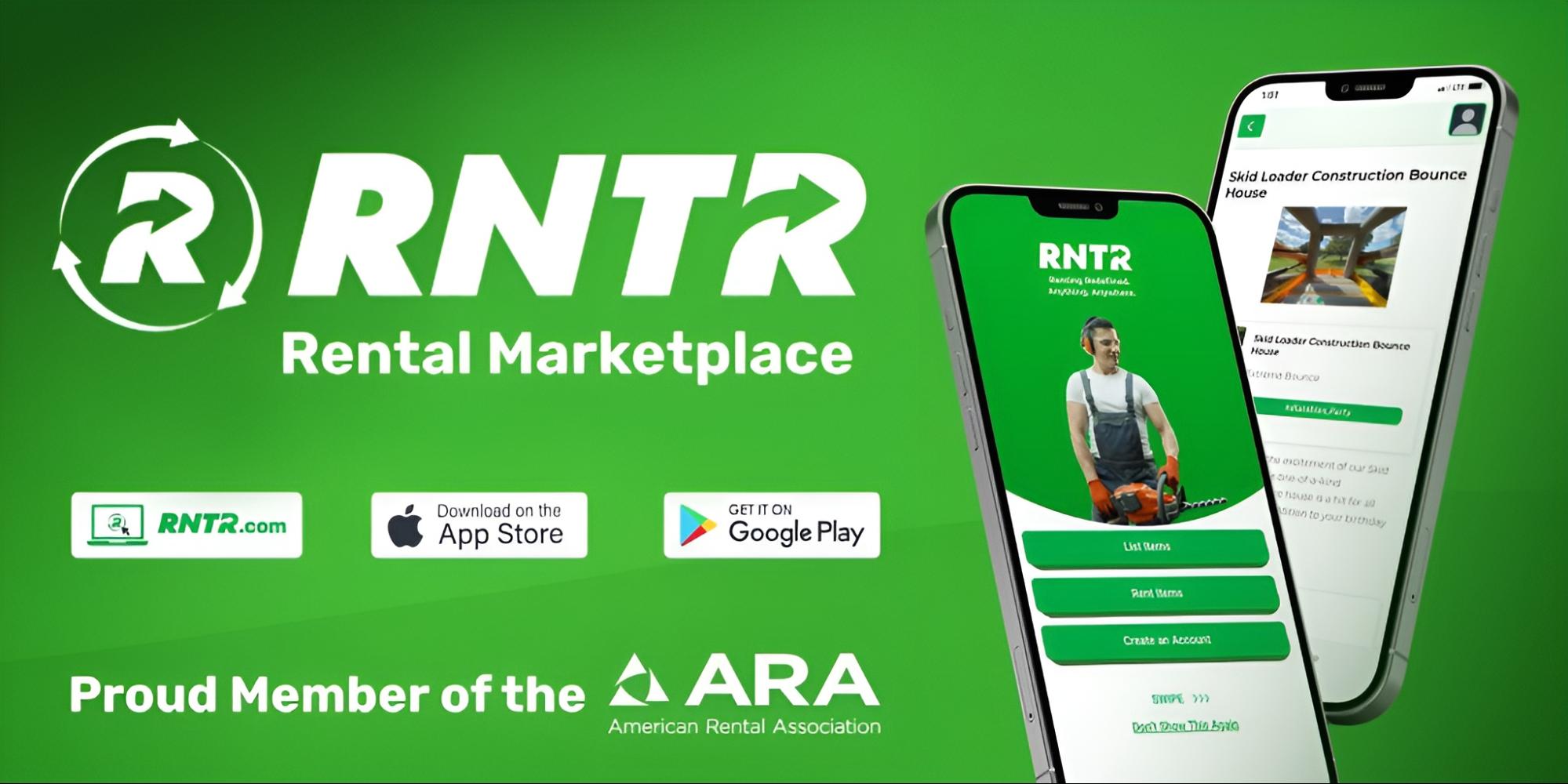
Ryan McCleary, CEO and Founder of RNTR, has positioned his company at the intersection of peer-to-peer sharing and traditional business rentals. Since launching in November 2024, RNTR has expanded across more than 25 states, creating a unified marketplace where individuals and rental businesses coexist on a single platform.
McCleary’s vision extends beyond convenience, focusing on the environmental and economic benefits of circular-economy principles through community-based resource sharing.
Q: What inspired you to create RNTR, and what specific problem were you trying to solve?
A: I came up with RNTR after a pretty frustrating experience trying to rent something from a local store. I kept calling over a few days, but each time I’d just miss their hours—and there was no way to reserve it online after hours. I thought, “There has to be an easier way.” I’d used Turo for renting cars and loved how easy it made the whole process, so I realized the same concept could work for all kinds of rentals. That’s how RNTR was born: to make renting simple, convenient, and on your schedule.
Q: Can you walk us through your background and what led you to entrepreneurship?
A: I’ve always been drawn to helping solve real-world problems and building things that make life easier. My entrepreneurial journey truly began in 2001 when my wife, Rachael, and I founded Lakes Area Graphix and Signworx, a custom printing company behind e-commerce sites such as Banners.com, Decals.com, and Stickers.com. Running those businesses taught me a lot about creating seamless online experiences for customers. With RNTR, I saw a similar opportunity—just like Turo made renting cars easy, I wanted to make renting everyday items simple, convenient, and available on your schedule.
Q: How did you validate the idea that there was demand for a hybrid P2P and B2C rental marketplace?
A: The idea came from firsthand experience—both mine and others’. I kept running into the same frustration: traditional rental stores often had limited hours, inventory, or accessibility, which didn’t keep pace with modern life. I also examined successful platforms like Turo, Airbnb, VRBO, and other sharing-economy models, observing how people have adopted peer-to-peer rentals when they are convenient and reliable. To validate the concept, we began speaking with individual renters and small businesses to learn what they needed most. The feedback was clear: there was real demand for a platform that combined the convenience of B2C rentals with the variety and flexibility of P2P sharing. Since launching, RNTR has already seen listings and activity across 30+ states, which is a strong indication of the demand we anticipated.
Q: What were the biggest challenges in building the initial platform and technology?
A: One of the biggest challenges was building a platform that could truly scale while supporting both peer-to-peer and business-to-consumer rentals. From a development standpoint, we had to design a system that could handle real-time availability, secure payments, and seamless reservations, all while maintaining a simple user experience. Integrating these features in a way that worked reliably across different devices, such as our website and a mobile app, and for both individuals and businesses, required a lot of careful planning, testing, and iteration—but it was critical to making RNTR a platform people could trust and use effortlessly.
Q: How did you approach funding RNTR’s development and early operations?
A: Ryan, I really don’t know how to answer this one.
Q: What was your strategy for convincing both individual hosts and rental businesses to join the platform?
A: I knew firsthand how frustrating it was at times trying to rent from a local store with limited hours and no online options, so naturally I felt like not only could this benefit the end user, but the rental store as well. For individual listers, we focused on simplicity—making it easy to list items, manage reservations, and earn extra income from things they already owned. For rental businesses, we highlighted how RNTR could help smaller, local stores compete with larger chains by providing them with a way to reach a younger, more tech-savvy audience and increase visibility for their inventory. This leads to less idle inventory, more streamlined bookings, and increased revenue. By focusing on convenience, flexibility, and real-world benefits, we were able to build trust and get both individuals and businesses excited to join RNTR.
Q: How do you balance the needs of peer-to-peer users versus traditional rental businesses on the same platform?
A: Balancing the needs of peer-to-peer users and traditional rental businesses starts with understanding what each group values most:
Individual Listers:
- An alternative channel to make income from items they already own.
- An easy, user-friendly way to list their items
- Simple management of pricing and reservations
- Secure and trusted payments
- Clear communication with the folks who will be renting their things
Individual Renters:
- They want an easy way to search and find items to rent in their community or any community they may visit.
- The ability to make a reservation online, much like Vrbo or Turo
- Secure and straightforward ordering and payment systems
- Simple communication with listers to answer any questions
Rental Businesses:
- Access to new customers to help increase revenue for their store
- E-commerce and mobile app-based functionality to help them compete with larger chains
- Efficient inventory management with calendar reservations
- A simple and easy-to-use platform to help them save time.
Ultimately, making the platform seamless and trustworthy for individuals sets the stage for businesses to benefit as well.
Q: RNTR has expanded to 30 states since November 2024. What drove this rapid geographic growth?
A: Well, I ultimately think it comes down to demand and convenience. People and businesses are looking for an easier way to rent and share items. Upon examining the general equipment and tool rental space, it has traditionally operated on a much simpler business model, relying on phone calls, paper logs, and in-person reservations. As the demographic becomes younger and the world becomes busier, people seek convenience, and I believe RNTR is delivering just that.
Q: What role do you see RNTR playing in advancing circular economy principles and sustainability?
A: I think RNTR plays a huge role in this. If we can make it easier for individuals to rent items instead of buying them for one-time or occasional use, we’re supporting both the local economy and the environment. Whether it’s tools, equipment, or party gear, we’ve all made purchases we only use once.
I think if RNTR can just give people the opportunity to share their underused items, in an easy-to-use, convenient manner, people will use it, and it will help keep them out of storage or landfills and encourage a more sustainable, circular approach—helping communities get what they need, keep money within their community, and minimize environmental impact.
Q: How do you address trust and safety concerns when facilitating rentals between strangers?
A: We use verified accounts, secure payment processing, and detailed listing information to give both renters and listers confidence. Our platform also facilitates clear communication between parties, so expectations are set upfront. Additionally, we offer support for any issues that may arise, ensuring everyone feels protected and comfortable throughout the rental process.
Q: What does your day-to-day role as CEO look like now compared to the early startup days?
A: Since day one, my role has always been hands-on across every part of RNTR—building the platform, talking to users, troubleshooting issues, handling marketing, and raising funds. The difference now is scale. As we’ve grown, I spend more time coordinating the team, shaping strategy, and securing resources to fuel growth, while still staying closely involved in product decisions and user feedback. It’s the same core responsibilities, just on a bigger stage.
Q: Where do you see RNTR in five years, and what impact do you hope to achieve?
A: In five years, I see RNTR as a go-to platform for rentals nationwide, connecting communities, individuals, and small businesses in a way that’s seamless and convenient. I hope to make renting the first option people think of—reducing unnecessary purchases, minimizing waste, and supporting local economies. Ultimately, I want RNTR to not only make life easier for people but also help foster a more sustainable, circular approach to consumption.
McCleary’s approach to building RNTR reflects a broader shift toward resource optimization and community-centered business models. As the sharing economy continues maturing, his hybrid marketplace represents an evolution that bridges individual entrepreneurship with established business operations, creating value for multiple stakeholder groups while addressing environmental concerns through reduced consumption.