
Most organizations invest heavily in inspiring their people and almost nothing in designing the environments that make the right behavior structurally inevitable. The result is a persistent gap between stated values and actual outcomes: organizations that claim to value collaboration but reward only individual results, and that say they want innovation but punish mistakes.
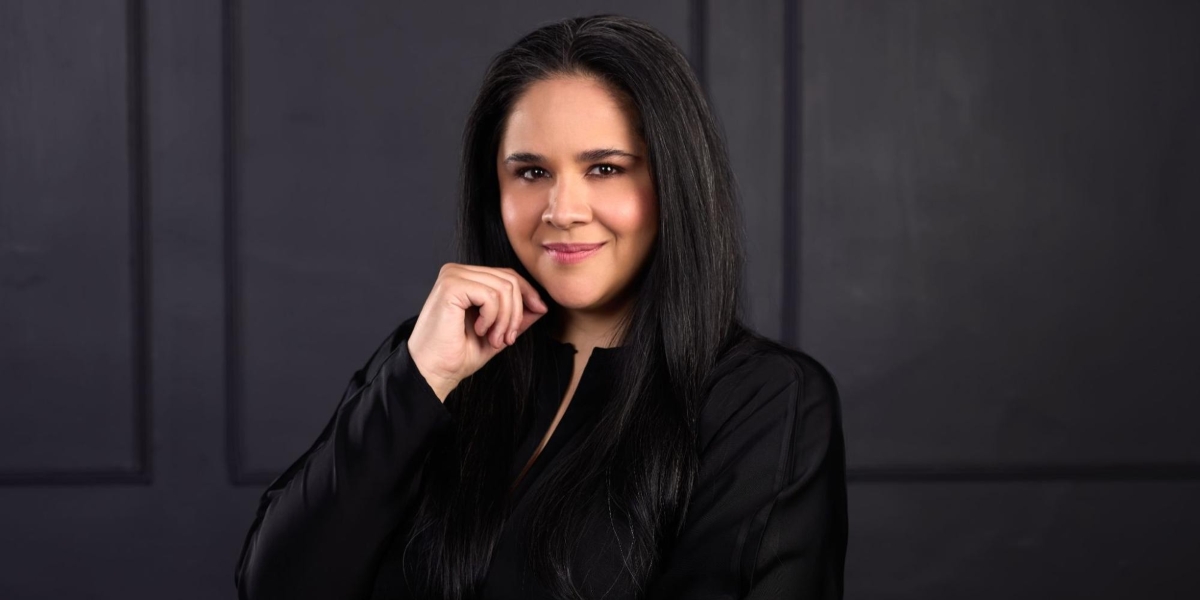
Melhina Magaña, Founder of Daucon and a change architect working across Latin America, has spent her career closing that gap. Her starting point dismantles the assumption that performance is primarily a motivation problem. “The key question is not how do we motivate people,” Magaña states. “The better question is how do we design a system where the right behavior happens naturally and consistently?”
Performance Is a Property of the System, Not the Individual
For decades, organizations have overestimated inspiration and underestimated environmental design. Behavior does not emerge from willpower alone; it is the product of motivation, capability, systems, identity, and a clear understanding of what changes when people act differently. When those factors align, the desired behavior becomes the path of least resistance. When they conflict, even the most motivated people default to what the system actually rewards.
At Daucon, the work begins by identifying the contradictions embedded in how organizations operate. Processes, incentives, metrics, rituals, leadership behaviors, and decision-making mechanisms are audited against the behaviors the organization claims to want. Friction is removed, accountability mechanisms are built, and feedback loops are designed to reinforce a winning identity rather than simply measure outcomes after the fact. When the design is right, performance no longer depends on individual heroes and becomes a durable property of how the organization functions.
Transformation Ends When New Behaviors Survive Pressure
Most transformations fail at the same point, immediately after launch. Initial enthusiasm gets mistaken for real change, investment flows toward the announcement event, and the harder work of behavioral adoption never receives the attention it requires. Magaña’s most critical intervention happens precisely after launch, when organizations are most likely to declare victory and move on.
Daucon works simultaneously across three dimensions to institutionalize change:
1. Behavioral adoption requires identifying the specific actions leaders and teams must demonstrate and making those actions observable and measurable. Ambiguity is the enemy of adoption.
2. Systemic reinforcement means aligning performance metrics, incentives, and operating mechanisms so the system rewards the new behaviors rather than quietly continuing to reward the old ones.
3. Leadership modeling is where most transformations silently collapse: when leaders revert to previous behaviors under pressure, the organization reads the change as optional.
“A transformation does not end when a vision is announced,” Magaña reflects. “It ends when new behaviors can withstand pressure, uncertainty, and the test of time.”
Building the Human Capabilities That AI Cannot Replace
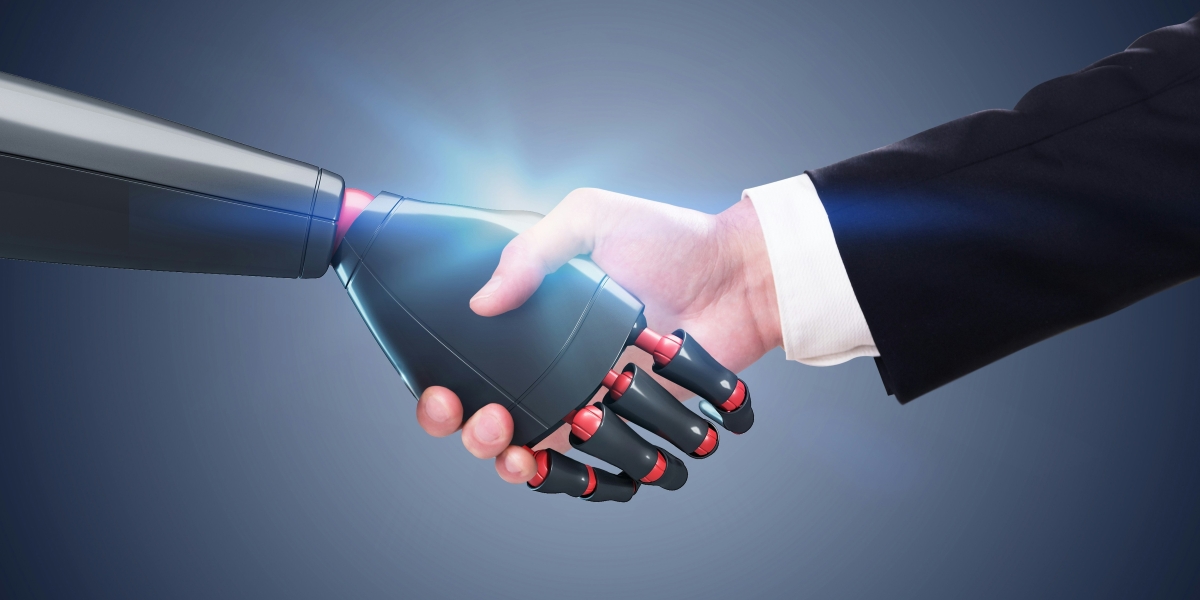
The broader context of Magaña’s work is the increasing integration of AI across organizational functions. Her conviction is that the real challenge is not technological, but human: building the capabilities that create value precisely because AI cannot replicate them, such as judgment, adaptability, and the ability to navigate complexity without oversimplifying it.
Organizations that learn faster than their environment evolves will consistently outperform those that rely only on existing expertise. For this reason, learning can no longer be treated as a periodic training initiative; it must become part of the operating model itself.
In this context, adaptability means the ability of organizations to continuously redesign themselves at the pace their environment requires.
The central risk organizations face today is continuing to operate with systems designed for a world that no longer exists. The organizations that will lead in the future are those that combine technological capability with the human depth required to use it effectively.
Follow Melhina Magaña on LinkedIn for more insights on organizational design, behavioral change, and building the high-performance systems that produce lasting results.