
In the final decades of the 20th century, the US healthcare scene was undergoing a dramatic transformation. Systems were consolidating, institutions were restructuring in anticipation of the realities of budget constraints, and public pressure for access and quality of care was increasing. In states with high population density like New York, these changes brought with them both logistical pain and the possibility of redefining care delivery on an enlarged scale. The concept of a network of integrated healthcare, something now so common, was at that time far from conventional practice. Hospitals were somewhat disconnected, each having its own procedures, budgetary system, and affiliations. In those circumstances, strategic thinking and long-term planning were necessary for institutions wishing to survive the future and prosper.
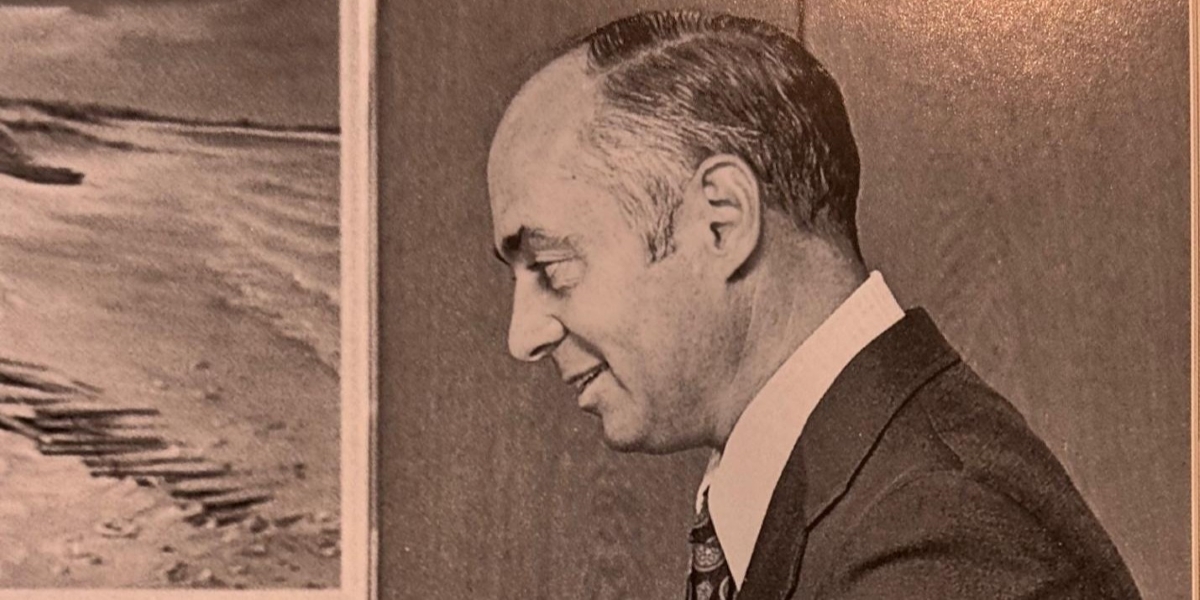
North Shore University Hospital, in Manhasset, New York, was an institution where experimentation and growth occurred. By the 1960s, it was clear that independent hospitals would not be able to respond to growing patient and policymaker pressures. There were pressures on resources, varying levels of staff at different sites, and small facilities were increasingly proving to be financially unviable. It was against this background that John S. T. Gallagher began his career in healthcare administration as an intern with North Shore in 1963. Over the decades that followed, Gallagher would move into leadership positions that placed him in a position to lead not just one hospital but an extensive healthcare system that would eventually redefine service delivery across the state.
Gallagher was named administrator at the hospital in 1971 and then Executive Vice President in 1982. He was made the first president and Chief Executive Officer of the North Shore–Long Island Jewish Health System in 1997, following a major merger of Long Island Jewish Medical Center and North Shore University Hospital. The merger was still seen at the time as an aggressive move. Rolling assets, redeploying executive management, and consolidating clinical operations across institutions with disparate histories and cultures was a gamble. But with Gallagher at the helm, the system managed to avoid administrative pitfalls that usually accompany such consolidation.
When he retired towards the end of 2001, Gallagher had overseen the consolidation of 16 hospitals into one administrative and clinical system. There were some contemporary accounts that indicated the figure was up to 18. It was the biggest New York State health system of its day and among the biggest in the nation. The growth was not merely quantitative, though. The system had a range of different care facilities, including acute care hospitals, ambulatory centers, rehabilitation facilities, and academic institution affiliations, that offered more consistent standards across them.
By the early 2000s, most New York State hospitals were operating on a margin of less than 1%, according to the New York State Department of Health. Consolidated systems did better, with their finances usually stabilizing within two years. North Shore–LIJ was one that acted fast. Most of the success came from pre-merger planning, including standardizing purchasing, aligning clinical practices, and formalizing ties with research institutions like Weill Cornell Medical College. The affiliation added academic prestige to the network, making it more appealing to patients and professionals alike.
While Gallagher’s name was unfamiliar outside healthcare administrative circles, his decisions set precedents. He wanted integration not just for financial reasons, but to deliver equity of care to all communities. Integration allowed the system to cater more effectively to suburban and city populations as well. Coordination also facilitated the seeking of state grants and federal funds for projects that single hospitals, standing alone, could not access.
Gallagher’s leadership style was founded on long-term planning and not short-term gain. He preferred incremental integration and worked much of the time in the background to establish systems of governance that would be inclusive of local input but remain under centralized control. The two-tiered system helped to dissipate tensions in the merger phase and allowed hospital leaders to believe that they were included in the design of the healthcare network. His emphasis on cooperation rather than control was seen as unusual at the time but eventually proved effective.
Following his retirement, Gallagher remained active in the system as a board member until his death in 2015. His influence continues to shape its growth, including its name change to Northwell Health in 2015. The system at the time had grown to include more than 21 hospitals, thousands of affiliated physicians, and a number of research and educational affiliations. Nonetheless, the foundation remained in the strategies established under Gallagher’s tenure.
Gallagher was recognized by Newsday in 1999 as one of the “100 Most Influential Long Islanders of the Century” for his leadership in reshaping the healthcare landscape of the region. He was also recognized by the Long Island Business News as Entrepreneur of the Year for his forward-thinking during the early days of system building. Although such honors were geographically focused, the model created by Gallagher has been examined by hospital systems throughout the country.
The shift from isolated hospital systems to a comprehensive, statewide network did not occur overnight. It required some decades of work within, strategic patience, and the ability to manage complex organizational change. The career trajectory of Gallagher, from intern to CEO, is not only a story of personal advancement but an institutional narrative as well. It underscores how deliberate leadership through periods of change can influence healthcare access and delivery for millions.
John S. T. Gallagher’s stewardship in crafting what would ultimately become Northwell Health is a case in point for the ways in which executive leadership, partnered with scalable planning and public health necessity, can lead to lasting infrastructure. When consolidation was a necessity rather than a trend during the period, Gallagher’s work created a blueprint for multi-hospital collaboration that provided a new statewide model of care delivery.