
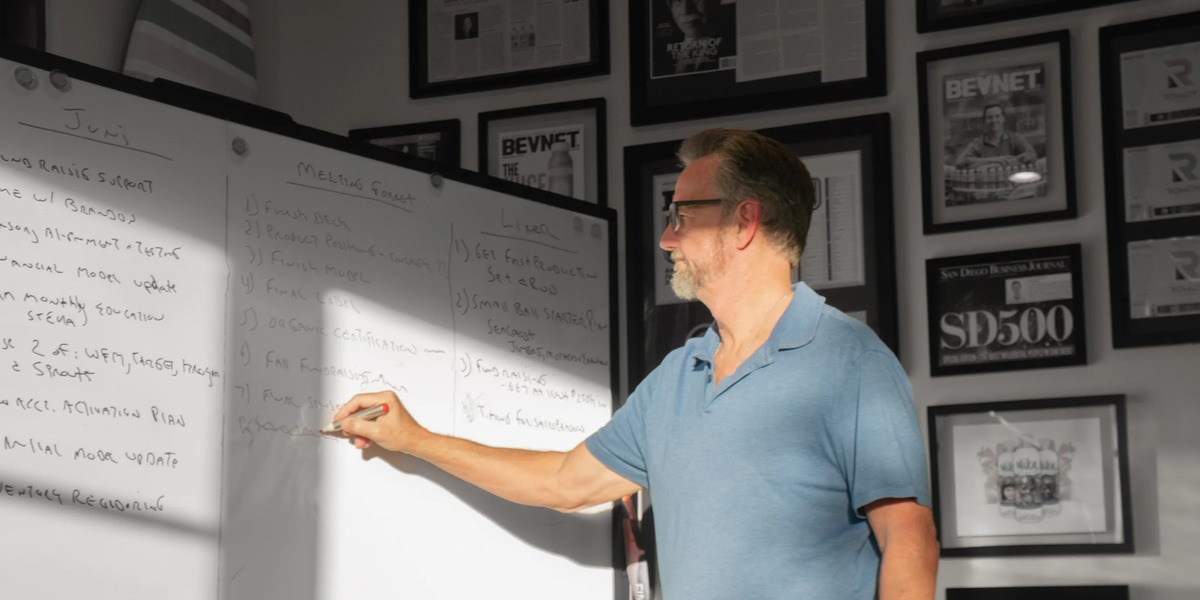

Most books about building a consumer brand are written from the finish line. Jeff Church wrote his from somewhere closer to the middle of the race, with the scrapes still visible. The Cold Pressed Truth: A Founder’s Field Guide to Building, Scaling, and Selling a Consumer Brand, released November 17, 2026 with a foreword by Jay Shetty, is part memoir and part operating manual. It covers the full arc of a company, from testing an idea and raising capital to winning shelf space, protecting cash and preparing for an exit.
Church, the co-founder and former CEO of Suja Juice, has spent more than 30 years starting, running and investing in consumer companies. Across eight ventures, he counts five home runs and three strikeouts. The book gives both columns equal time.
Why Did Jeff Church Write an Anti-Hype Founder’s Guide?
Jeff Church wrote the book he wishes someone had handed him before his first startup. That version would not have been a highlight reel. Founders in consumer packaged goods (CPG) hear plenty of overnight success stories, and very few of those stories include the cash crunches, the missed forecasts or the decisions that nearly ended the company.
Jay Shetty picks up that theme in the foreword, framing the book as a counterpoint to a culture that celebrates hype and noise and writing that Church “has chosen a different path.” The premise is simple. Wins and wipeouts sit side by side, and readers are trusted to learn from both.
What Happened at Suja Juice?
The Suja story sits at the center of the book and gives its consumer brand lessons a real-world anchor. The cold-pressed juice company started in an ice closet and grew quickly over its first six years, bringing Coca-Cola on board as a strategic partner and investor.
Then came the July 3rd phone call. Coca-Cola had decided not to buy the rest of the company. Church writes about that moment candidly, along with the cash crises and missteps that surrounded it.
The lesson he draws from that period runs through every chapter. Growth and survival are not the same thing. A company can post impressive numbers on the way up and still be fragile underneath

Three Mistakes That Sink Consumer Brand Startups
Church identifies three errors that bring down most consumer brand startups. The first is confusing growth with strength, the trap the Suja chapters illustrate most vividly. Fast sales can mask thin margins, stretched working capital and a business model that has not yet proven it can stand on its own.
Getting onto the shelf is the second false finish line. Plenty of consumer brand founders treat retail distribution as the goal, when it is closer to the starting gun. A product still has to sell through, week after week, to keep its spot.
The third mistake is raising money from a position of weakness. A founder who waits until the bank account is nearly empty has little room to negotiate, and investors can usually tell.
Practical Frameworks for CPG Founders
Beyond the narrative, Jeff Church built the book to be used. He turns three decades of experience into a set of working tools, starting with the M.A.P. framework for sizing up a category before committing a consumer brand to it. In consumer goods, where a crowded aisle can absorb a young company’s capital quickly, that kind of early discipline matters.
The book also lays out a Stage-Gate process, which breaks development into phases with a clear decision point between each one. A separate model, the Life Stages of a Brand, tracks how a consumer brand’s priorities shift as it matures. Church also draws a line between fatal flaws and recoverable mistakes.
The Personal Cost of Building a Consumer Brand
Jeff Church does not treat the personal toll of entrepreneurship as a footnote. The book addresses what building a company takes out of the people doing it, and his message to founders is direct. Build the company without becoming the company.
Endurance is familiar territory for him. Church has run more than 55 marathons and ultramarathons and has attempted six of the Seven Summits, reaching the top of five. He lives in San Diego with his wife, Linda, and is a father of four and grandfather of three.
One of those climbs gave him a nickname. While he was climbing Kilimanjaro with his kids, the guides started calling him Babu, Swahili for grandpa, and his grandkids use the name today. It has also come to describe the role he plays for founders, as the experienced guide walking alongside them, pointing out what lies ahead and staying honest about what is behind.
Who Is the Book Written For?
Jeff Church wrote it first for consumer and CPG founders. Operators, early employees and investors are part of the intended audience too, since each group has a stake in how a consumer brand grows, stumbles and eventually exits. Details about the release are available on the official page for Church’s founder field guide.
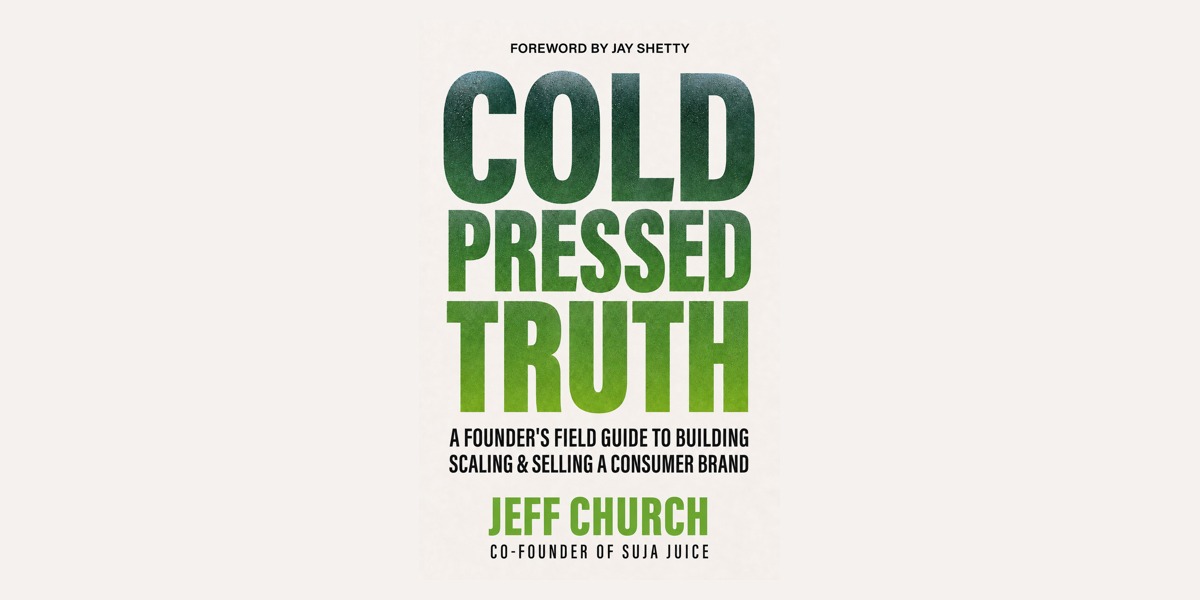
Several founders behind well-known beverage and food brands have praised the book, including Seth Goldman of Honest Tea, Mark Rampolla of ZICO and John Foraker of Once Upon a Farm. Kim Perell, co-founder of JUNI Adaptogen Tea, called Church “the Yoda of CPG” and described the book as “practical, honest, and packed with hard-earned wisdom.”
What Is Jeff Church Building Now?
Jeff Church now leads CPG Founders Group, where he mentors early-stage consumer brand founders through one-on-one advising, free tools and training. The organization also runs the Founders Club, a free community for consumer brand founders, which counts more than 400 members, and askBabu.ai, an AI advisor built on Church’s playbooks.
A Harvard Business School graduate and former CPA, he is also back in the founder’s seat. His ninth company, Proda, is a protein soda brand, giving him a fresh chance to put his own frameworks to work in real time. He shares updates on Proda, the book and his mentoring work through Jeff Church’s LinkedIn profile.