
By: Natalie Johnson
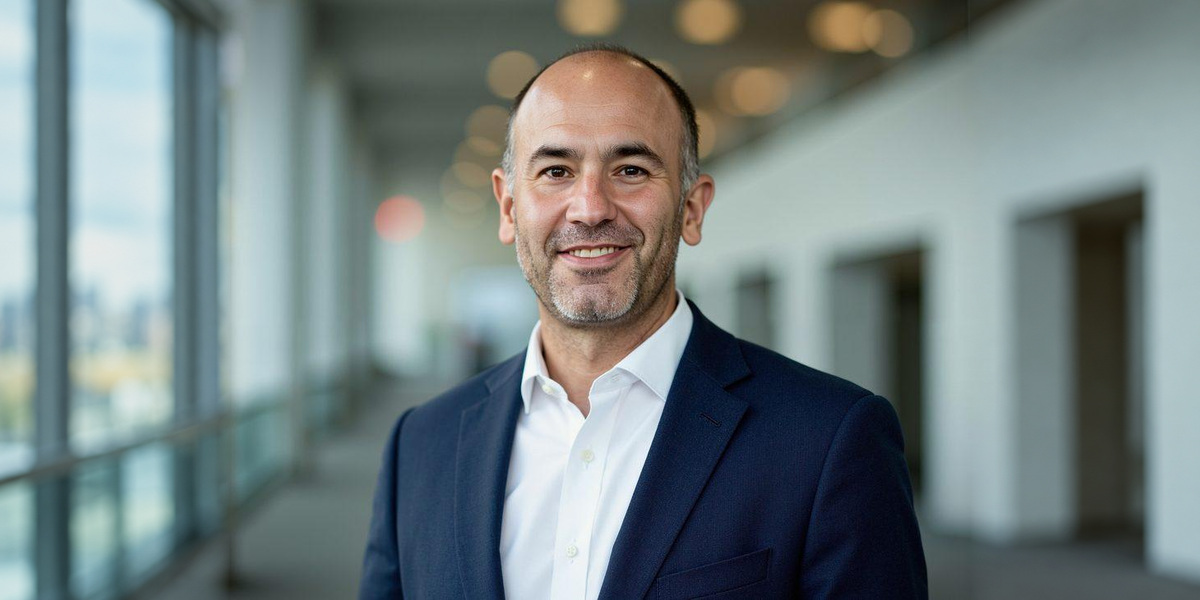
When Carter + Clark’s board hired Brandon Ansley in 2021, it was not to run the company. It was a 90-day consulting engagement: assess the Georgia land surveying firm and recommend how to grow it.
Ansley’s method for that assessment, refined across two decades of operating field services companies, is a playbook worth stealing for any board, investor, or incoming executive who suspects the numbers are not telling the whole story.
His first condition was immersion. He refused to evaluate the company from its books.
“I said, if I’m going to do this, I can’t just go look at the books. I need to immerse myself in the business as much as I can and really learn the people,” he said. He asked to be put through the company’s new employee training program, exactly as a hire off the street would be, and scheduled a meeting with the manager of every department.
The second element is what he actually observes in those meetings, and it has little to do with the answers.
“There’s a lot you can learn about a business by talking to the people, not even necessarily about the business itself,” he says. “Whether they shut their door, if they want to whisper, if they’re talking about somebody else, where the conversations keep leading back. Are they smiling?”
Culture, in Ansley’s method, is diagnosed through behavior under observation, not through surveys or stated values. Doors, whispers, and repeated grievances are the vital signs, and they rarely lie the way a slide deck can.
At Carter + Clark, three and a half weeks of this produced a picture the due diligence had missed: deep mistrust and frustration inside a founder-led business that looked healthy from the outside, with margins intact and growth on paper. The board had sent him in to find the secret of the business. He found a management team preparing to walk out of it.
The third element is what he did next, and it is where most consultants fail. Ansley spent a day and a half deciding how to handle what he had learned, then requested an early meeting with the Board rather than finishing the engagement quietly and attaching his concerns to a final report.
“I said, look, this is a little bit of an uncomfortable scenario, but I think there may be an issue that needs to be addressed,” he recalls. The months that followed were, by his description, among the most intense of his career. The Board, which he credits with handling the situation professionally and respectfully, asked him to take over as chief executive.
The sequel validated the diagnosis. Ansley rebuilt the culture before pursuing growth, and the performance that followed arrived through one of the harshest stretches the housing market has produced in years.
For executives, the transferable lessons compress well. Enter as a student, not an authority; the training program tells you what employees actually experience, which is a different company from the one leadership describes. Watch behavior, not presentations; people reveal a culture in how they hold a meeting, not in what they say during it. And when you find something serious, escalate early and in person. Bad news attached to a final report protects the consultant. Bad news delivered early protects the company.
Ansley’s final point is aimed at Boards. Financial diligence sees what a founder-led business reports. It is very difficult to see what the business is like to work in, and in his experience, the second point is the better predictor of what the investment becomes.
The board that hired Brandon Ansley for 90 days ended up with a CEO instead. Four years later, the company whose future once worried him is thriving under his leadership, and the diagnosis that started it all took less than a month.