
By: Angelica Smith
A lot of talented professionals eventually realize that strong performance alone is not what gets people promoted.
They work hard. They consistently deliver. They become known as dependable people. The ones leadership can trust to execute quickly, solve problems, and keep things moving under pressure. But at some point, many of them watch someone else step into the larger role instead.
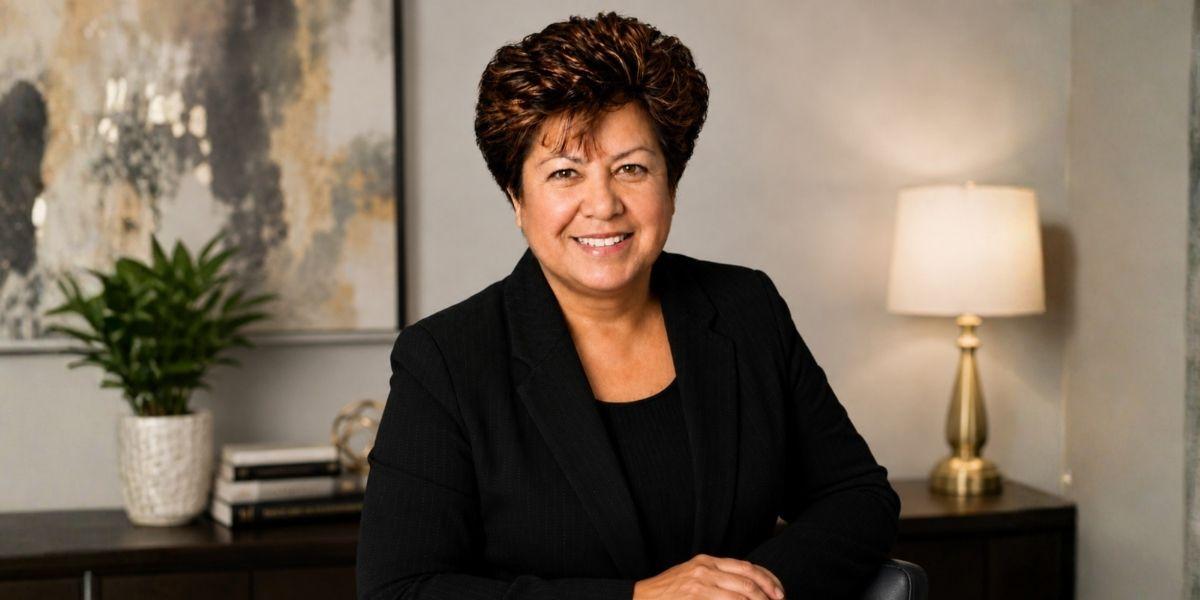
Dr. Virginia Wells says the difference often has less to do with performance and more to do with how leadership evaluates judgment and thinking under pressure.
Wells says, “High performers often assume hard work naturally leads to advancement. But at higher levels, leaders are looking for people who can think beyond the immediate task and see the broader business implications around it.”
That realization became the foundation of the Thinking House™ System, Wells’ proprietary leadership advancement framework developed through years of advising executives operating in highly visible and high-pressure environments.
Stuck in Execution Mode
Over time, Wells began noticing a pattern inside organizations.
The people who consistently advanced were rarely just the hardest workers in the room. More often, they were the people others trusted to carry complexity, navigate competing priorities, and think strategically when pressure increased.
Wells says, “They know how to slow the conversation down long enough to see what really matters. They examine a problem from multiple perspectives before making a decision. That changes how people experience their leadership.”
According to Wells, many professionals unintentionally stay trapped in execution mode for too long. They become known for being dependable, responsive, and productive, but still struggle to have their perspective fully heard in leadership conversations.
That gap matters more than most people realize.
Wells says, “If leadership only sees output, they can measure productivity. What they still may not see is how you think through risk, trade-offs, or long-term impact.”
This is often where advancement starts to stall.
Someone gives updates without explaining the larger business context behind a decision. Someone solves problems quickly, but never shows how they evaluated the situation. Someone stays focused on their own department without recognizing how their work impacts other departments’ goals and priorities.
The Thinking House™ System
Meanwhile, the leaders who rise higher usually think and communicate differently.
Before jumping into solutions, they step back and assess the larger issue first. They think about the downstream impact. They consider where friction could emerge later. They connect decisions across teams instead of viewing problems through a single functional lens.
Wells believes this kind of thinking has become even more important as organizations face constant change and increasing operational pressure.
Wells says, “Businesses today are moving fast. Leaders are being asked to make decisions with incomplete information all the time. The people who stand out are the ones who can create clarity inside complexity.”
That idea sits at the center of the Thinking House™ System.
Rather than focusing on surface-level leadership habits, the framework helps professionals strengthen how they process decisions, communicate strategic judgment, and navigate competing priorities across an organization. The goal is not simply helping someone look more executive on the surface. It is helping them think at different levels.
Part of that process also involves making strategic and creative thinking more visible.
Wells often encourages professionals to move beyond purely tactical updates and communicate how they are evaluating a situation, weighing trade-offs, and thinking through organizational impact.
The Leaders People Trust
Those shifts may sound subtle, but Wells says they often change how someone is perceived inside an organization.
Wells says, “People trust leaders whose thinking feels clear and steady. That trust is usually what creates larger opportunities.”
For professionals who feel frustrated after being overlooked for advancement, Wells believes working harder is rarely the complete answer.
In many cases, the real shift happens when someone stops focusing only on execution and starts operating with a different mindset.
Because eventually, promotions stop being about who can complete the work the fastest.
They become about who leadership trusts to drive innovation, navigate complexity, and help move the business forward.
Now marking 25 years through Dr. Wells Leadership & Consulting, LLC, Wells has worked with leadership teams and senior executives at organizations including Johns Hopkins University, Oracle, the Pentagon, and Capital One. She is also an award-winning author, Forbes-cited executive leadership coach, and international keynote speaker who was recently recognized by Apple News as one of the “Ones to Watch: Women Who Elevated Leadership in 2025.”
To learn more about Dr. Virginia Wells and her Thinking House™ System, visit her LinkedIn profile.