
By: Ryan Thompson
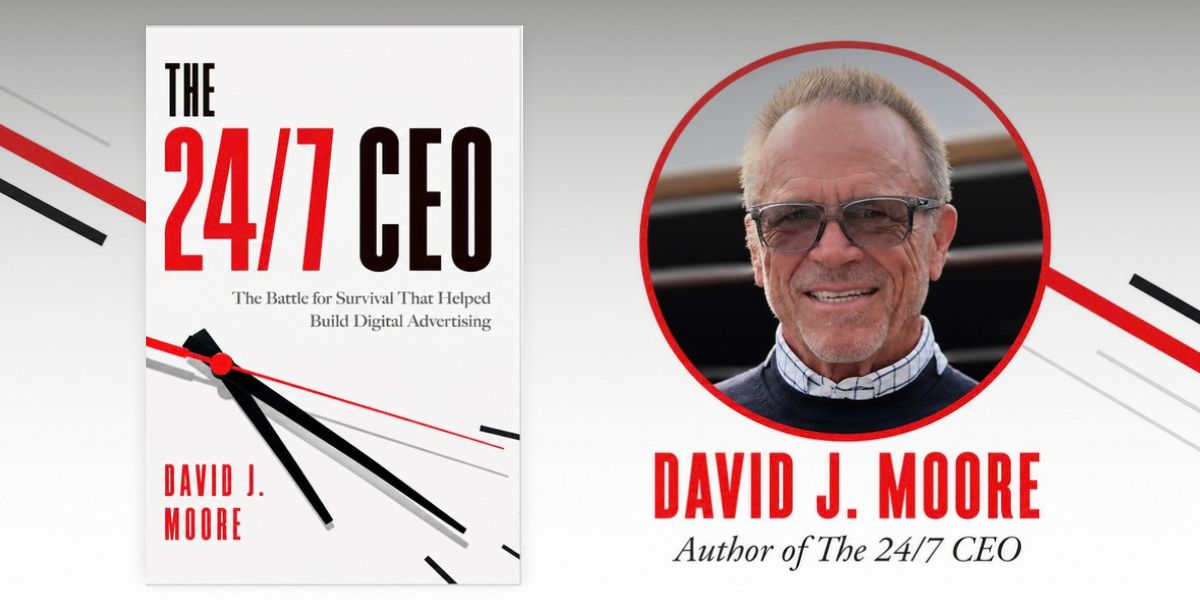
The most valuable thing about David Moore’s perspective on the current AI moment is not that he survived the dot-com crash. It is that he survived it, rebuilt something significant, and then made the same fundamental mistake again with a completely different technology a decade and a half later. He is telling that story too, in a book that does not protect his own reputation at the expense of the lessons.
After his years at 24/7 Media and WPP, David co-founded BritePool in 2019. The premise was that Google would kill third-party cookies, and the digital advertising industry would need a consent-based identity framework to replace the tracking infrastructure that cookies had provided. It was a reasonable bet on what appeared to be a clear and stated regulatory trajectory from one of the industry’s most powerful actors.
Then COVID hit and disrupted everything. Then Google delayed Privacy Sandbox repeatedly. In October 2025 Google shut it down entirely. The cookie is still here. BritePool is not.
The lesson, which David now states as directly as anything in the book: never make another company’s decision critical to your business plan.
The Pattern He Recognizes in the AI Moment
A friend asked David at dinner before Thanksgiving last year whether the current AI investment environment was November of 1996 or November of 1998. That framing stuck with him because it captures the exact question he was not asking clearly enough in 1999 and 2000. The difference between those two dates is two years of runway before the collapse, and the companies that understood which date they were actually living in made very different decisions.
The mistake he sees AI leaders making most consistently today is the one that nearly destroyed 24/7 Media. Growth over profit. Get big fast, acquire market share, and worry about the business model later. Every board in Silicon Alley was delivering that instruction in 1999. 24/7 acquired thirty-six companies in three years and spent ten million dollars a month. When the music stopped, ninety percent of their revenue came from companies that were going out of business. They hadn’t built a sustainable business. They had built an expensive bet, and when the bet went wrong, the underlying company was not strong enough to survive without the bet.
The second structural mistake he identifies is dependency. AI leaders whose entire model depends on one vendor, one platform, one regulatory outcome, or one assumption about where the technology is headed in five years should ask themselves explicitly and without euphemism what happens if that assumption is wrong. David has lived the answer to that question twice, once in 2001 and once with BritePool. He is not speculating about what it feels like. He is describing it from memory.
The Economist Who Saved Them the Second Time
The most practically useful piece of advice in the book for leaders navigating uncertainty comes from an experience in 2006, well after the 24/7 survival and during the period when David was at WPP. An economist named Brian Beaulieu sat down at a board retreat with David and two colleagues and told them a recession was coming in 2007 or 2008. He offered two options: batten down the hatches and prepare to weather it, or sell while the multiples were still attractive and watch the downturn from the sidelines.
They sold 24/7 to WPP in May of 2007. If you have credible people telling you the weather is changing, David says, don’t wait until you can see the rain. In 2000, they waited. In 2007, they didn’t. The difference between those two decisions was $649 million.
The money isn’t yours until it’s in the bank. David learned that watching ten million dollars in net worth appear while he was washing his hair and then disappear eighteen months later without any single dramatic event to mark its departure. Paper wealth is a story you tell yourself, and the story ends without asking your permission. Understanding the difference between the story and the reality is the thing that saves companies and the thing that most boards in boom periods are least interested in hearing.
The lessons of the dot-com crash applied directly to the AI moment. The 24/7 CEO by David Moore is available now on Amazon.