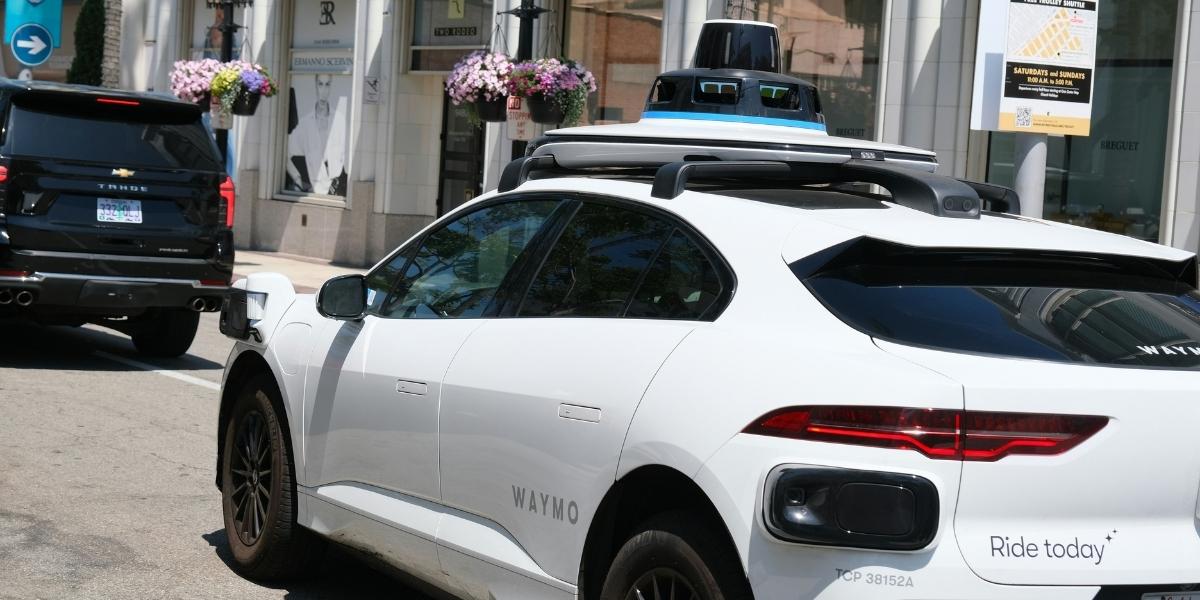

Waymo business expansion gained a new source of financing on October 8, 2026, when the Alphabet-owned robotaxi company closed a $5 billion term loan, its first debt transaction. The borrowing follows a $16 billion equity round earlier this year and is intended to support autonomous ride-hailing in the United States and internationally.
Key Takeaways
- Waymo closed its first debt financing, a $5 billion term loan, on October 8, 2026
- PIMCO, Blackstone and Sixth Street participated as lead syndicated lenders
- Goldman Sachs served as the sole lead bookrunner
- The loan follows a $16 billion equity round earlier in 2026
- Waymo plans to expand its driverless ride-hailing service in U.S. and overseas markets
Waymo Business Expansion Gets Its First $5 Billion Debt Deal
Waymo Chief Financial Officer Steve Fieler confirmed the closing in a company announcement. The $5 billion facility gives Waymo borrowed capital alongside the equity funding that supported its expansion before October. The company described the loan as part of its transition into a business operating at greater commercial scale.
The transaction is a term loan rather than a share sale. It creates repayment obligations under the lending agreement, while equity financing involves issuing ownership interests. The new facility gives Waymo access to financing without issuing shares through this particular transaction.
Borrowing is one route for funding large technology projects. Waymo’s facility differs from borrowing tied to data centers and computing equipment because its stated purpose is to extend an autonomous passenger transportation service.
Waymo said the additional capital would provide more financial flexibility as it expands. The announcement did not specify how the proceeds would be divided between new markets, existing operations or individual costs of deployment.
PIMCO, Blackstone and Sixth Street Lead the Lending Group
PIMCO, Blackstone and Sixth Street were the lead syndicated lenders for Waymo’s $5 billion term loan. Capital Group, Loomis Sayles and T. Rowe Price participated as significant lenders, while Goldman Sachs was the transaction’s sole lead bookrunner.
The wider lender group included Apollo, Blue Owl, Diameter Capital Partners, Franklin Templeton, Fidelity Management & Research Company, HPS Investment Partners and Oaktree. Waymo disclosed the participants in its October 8 statement without identifying each institution’s share of the facility.
Syndicated borrowing involves multiple institutions participating in a single loan, allowing a large facility to be funded by more than one lender. Goldman Sachs’ bookrunner role concerned arranging the transaction rather than operating Waymo’s autonomous vehicle service.
Waymo’s public announcement did not specify the interest rate, maturity date or detailed repayment schedule. It established the amount of financing and the participating lenders, while leaving the full financial terms outside the closing notice. Those terms would determine when payments are due and how the borrowing affects Waymo’s financing costs.
The $5 Billion Loan Follows Waymo’s $16 Billion Equity Round
Waymo closed a $16 billion equity financing round earlier in 2026, before obtaining the October term loan. The earlier funding was intended to accelerate deployment of the Waymo Driver, the autonomous driving system used in the company’s vehicles.
Reuters reported that the equity round valued Waymo at $126 billion. The transaction raised capital in exchange for ownership interests, while the newly closed term loan added borrowing and accompanying repayment obligations. Both provide resources for expansion, but the financial structures are distinct.
Together, the two transactions account for $21 billion in financing closed during 2026. That combined figure illustrates the scale of the capital raised, although it does not represent a single financing package or establish how much has already been spent on vehicles, service areas or operations.
Waymo described the debt financing as a complement to its earlier equity funding. The arrangement provides a separate borrowing channel while the company continues to develop its commercial operations. Unlike funds raised through share issuance, the term loan also carries repayment requirements that must be managed over time.
Waymo Reaches 15 U.S. Cities as Robotaxi Service Expands
Waymo said it launched service in its 15th U.S. city in September 2026, with Las Vegas joining its ride-hailing network. The company announced public rides in Las Vegas on September 14, beginning with a phased introduction to passengers interested in using the service.
Waymo develops its own autonomous driving technology, while Uber’s autonomous vehicle strategy has emphasized partnerships with outside technology providers and integrating their vehicles into its ride-hailing platform. The approaches differ in how the underlying driving technology reaches passengers.
Additional city launches involve vehicle deployment, maintenance, passenger access and operating procedures specific to each service area. Financing can help support that activity, although Waymo’s October statement did not assign a portion of the $5 billion facility to fleet purchases or individual city launches.
The October announcement also did not identify a numerical target for additional vehicles, passenger trips or revenue resulting from the loan. It tied the financing to continued growth of an existing commercial service rather than to the unveiling of new autonomous driving technology.
Singapore and Other Overseas Markets Feature in Expansion Plans
Waymo’s international plans include Singapore, where it has said it aims to introduce commercial driverless ride-hailing in 2028. Its September announcement outlined a phased rollout, with vehicles expected to arrive ahead of initial manual driving and local preparations in 2027.
The company has also outlined plans for service in Tokyo, London and Munich. In Tokyo, local partners Nihon Kotsu and GO are preparing with Waymo for a planned 2027 rollout, contingent on approvals. These destinations extend its geographic ambitions beyond the United States, but the October 8 financing announcement did not assign specific amounts from the term loan to any international location.
Overseas deployment involves local operating requirements, including approvals and procedures for introducing autonomous vehicles. Singapore’s Land Transport Authority has described a staged preparation process before the planned commercial service, distinguishing that timetable from the closing of Waymo’s debt financing.
Waymo has not published a detailed allocation of the $5 billion across domestic and overseas markets. Its announcement established the financing amount and the intention to support expansion, while the schedule for individual international service launches remains set out in separate operational plans.
Frequently Asked Questions
How much financing did Waymo secure?
Waymo closed a $5 billion term loan on October 8, 2026, marking its first debt financing.
Which lenders participated in Waymo’s $5 billion financing?
PIMCO, Blackstone and Sixth Street were lead syndicated lenders. Goldman Sachs served as sole lead bookrunner, with several other institutions participating.
How does Waymo plan to use the financing?
Waymo said the loan will support expansion of its fully autonomous ride-hailing service in the United States and internationally.
How much equity financing did Waymo raise earlier in 2026?
Waymo closed a $16 billion equity round earlier in 2026, before its first debt financing.
Which markets is Waymo targeting for expansion?
Waymo is expanding across U.S. cities and has announced overseas plans that include Singapore, Tokyo, London and Munich.