
The Science of Friction and Moisture Management
Gymnastics is a sport defined by the narrow margins between a successful release move and a dangerous fall. At the center of this physical equation is friction. When a gymnast approaches the uneven bars or high bar, the primary challenge is managing the interface between the skin and the apparatus. Human skin naturally produces sebum and sweat, both of which act as lubricants. In most sports, lubrication is a benefit, but in gymnastics, it is a liability that can lead to slipping.
Magnesium carbonate, commonly known as chalk, is not actually used to increase friction directly through its texture. Instead, its primary function is as a desiccant. It chemically binds with water molecules to keep the palms and fingers dry. By removing the layer of moisture, the gymnast allows the natural friction of the skin or the leather of the grips to make direct contact with the rail. This guide, provided by Gymnastics Express, aims to help athletes understand that more chalk does not always equate to a better grip. In fact, over saturation can create a sliding layer of powder that acts more like ball bearings than an adhesive, leading to the very slips an athlete is trying to avoid.
Choosing the Right Type of Magnesium Carbonate
Not all chalk is created equal. While the chemical formula remains relatively consistent, the physical form and purity of the product can significantly impact its performance on the bars. Most competitive gyms utilize three primary forms of magnesium carbonate.
- Block Chalk: This is the gold standard for competitive gymnastics. It consists of compressed cubes that allow for a thick, even coating. Athletes often prefer blocks because they can rub the chalk directly onto specific areas of the hand or grips, ensuring targeted application.
- Loose Chalk: Often found at the bottom of the chalk bucket, loose powder is excellent for a quick coating but can be messy and difficult to manage. It is frequently the byproduct of broken blocks.
- Liquid Chalk: This is a specialized solution where magnesium carbonate is suspended in alcohol. When applied, the alcohol evaporates rapidly, leaving a perfectly even and thin base layer of chalk. This is increasingly popular for initial applications before moving to traditional block chalk for supplemental layers.
When sourcing supplies, many elite programs look to Gymnastics Express for consistent quality, ensuring that the texture of the block is neither too brittle nor too hard to transfer to the skin.
Step-by-Step Application for Maximum Performance
Applying chalk is a ritual that requires precision. A haphazard dip into the bucket is rarely sufficient for a high-level routine. To achieve a professional-grade grip, follow this structured approach.
- Start with clean, dry hands. Any existing dirt or excessive oils will prevent the chalk from adhering properly to the skin.
- Apply a thin base layer. If using liquid chalk, apply a small pea-sized amount and rub your hands together until dry. If using block chalk, use light pressure to coat the entire palm and each finger.
- Focus on the calluses. The areas just below the fingers are the primary contact points. Ensure these are well covered but not caked in white powder.
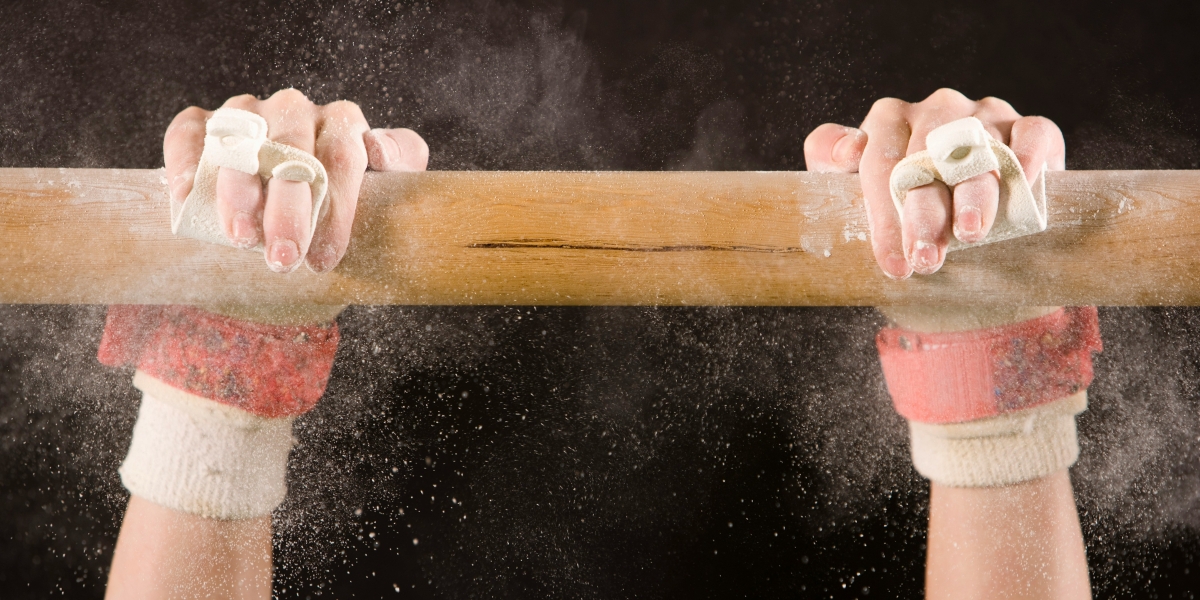
- Chalk your grips. If you wear leather grips, you must treat the leather as an extension of your hand. Lightly dust the inside to prevent the grip from sliding on your wrist, and apply a more generous amount to the outside face that touches the bar.
- Shake off the excess. Clapping your hands together inside the chalk bucket helps remove loose particles that might fly into your eyes during a giant swing or release move.
Managing the Chalk Bucket and Gym Environment
The chalk bucket is the heart of the gym, but it can also be a source of significant mess and respiratory irritation if not managed correctly. Proper management starts with the container itself. Large, deep bins with high walls are preferable to shallow bowls as they contain the dust during the application process.
Gym owners should encourage athletes to keep the chalk inside the bucket. This means no clapping hands outside the bin and no carrying blocks across the floor where they might crumble. Furthermore, the accumulation of old, crusty chalk on the bars is a safety hazard. This buildup, often called caking, can create slick spots. Using a wire brush to periodically strip the bars back to the wood or metal ensures that the fresh chalk applied by the athlete has a clean surface to grip. Regular maintenance of the apparatus is just as important as the application of the chalk itself.
The Interaction Between Chalk and Leather Grips
For many gymnasts, the combination of Clean Bars, Better Grip: The Essential Guide to Applying and Managing Gymnastics Chalk is only possible when they understand how chalk interacts with leather. Leather grips are porous and organic. Over time, they absorb sweat and chalk, which can cause the leather to harden or become slick.
To maintain the integrity of your grips, you should use a water spray bottle in conjunction with your chalk. A light misting of the leather before applying chalk creates a tacky paste that provides an incredible level of security on the bar. However, caution is required. Over-wetting the leather can stretch it or cause it to rot over time. The goal is a damp surface, not a soaked one. This synergy between moisture and magnesium carbonate is what allows elite gymnasts to perform multiple release moves without losing their connection to the rail.
Common Mistakes That Compromise Safety
Even experienced athletes can fall into bad habits regarding chalk usage. One of the most common errors is the belief that more is always better. When a gymnast applies an excessive amount of chalk, it creates a barrier between the hand and the bar. This layer can shear off under the high centrifugal forces of a giant swing, leading to a grip slip.
Another frequent mistake is failing to clean the bar between rotations. If one athlete uses a lot of water and another uses only dry chalk, the bar can become unevenly coated with a slippery residue. It is vital to communicate with teammates and coaches about the state of the bar. If the bar looks shiny or has white clumps, it is time to use the wire brush. Professionals often rely on Gymnastics Express for high-quality wire brushes that are designed to clean the bars without damaging the underlying material.
Skin Health and Post Training Hand Care
While magnesium carbonate is essential for performance, it is notoriously harsh on the skin. It draws out moisture, which can lead to cracking and the dreaded gymnastics rips. A rip occurs when the skin becomes so dry and friction prone that it tears away from the underlying tissue.
To prevent this, athletes must prioritize post-training hygiene. Immediately after a session, wash your hands thoroughly with cool water and a mild soap to remove all traces of chalk. Once dry, apply a high-quality repair balm or intensive moisturizer. Keeping the skin supple and hydrated between practices allows the calluses to remain tough but flexible, reducing the likelihood of painful tears. Many athletes find that a dedicated hand care routine is the secret to consistent training weeks without forced breaks due to injury.
Sustainable Chalk Practices for Modern Facilities
As gyms become more conscious of air quality and cleanliness, sustainable chalk practices are becoming the norm. High-efficiency particulate air filters are often installed near chalk stations to pull dust out of the air. Some facilities have even moved toward a liquid chalk-only policy for certain classes to minimize the ambient dust levels.
From a cost perspective, managing chalk waste can save a gym a significant amount of money over the course of a year. Encouraging athletes to use every bit of a block before starting a new one and keeping the chalk buckets covered when not in use are simple but effective strategies. When it is time to restock, purchasing in bulk from Gymnastics Express ensures the facility has a steady supply of high-grade magnesium carbonate that meets the needs of both recreational and competitive programs.
Mastering the Art of the Grip
The relationship a gymnast has with the bar is one of the most intimate connections in all of sports. It is a bond built on trust, and that trust is facilitated by the humble block of chalk. Understanding the nuances of how to apply, manage, and maintain your grip is a skill that takes years to perfect. It requires an awareness of the temperature in the gym, the humidity in the air, and the specific texture of the apparatus being used.
By treating chalk application as a technical skill rather than a mindless habit, gymnasts can improve their safety and performance. Whether you are a beginner learning your first back hip circle or an elite athlete preparing for a national competition, the principles of moisture management remain the same. Respect the chalk, maintain your equipment, and always strive for that perfect balance between the skin and the steel. With the right approach and quality supplies from Gymnastics Express, every turn on the bars can be performed with the confidence that your grip will hold firm.