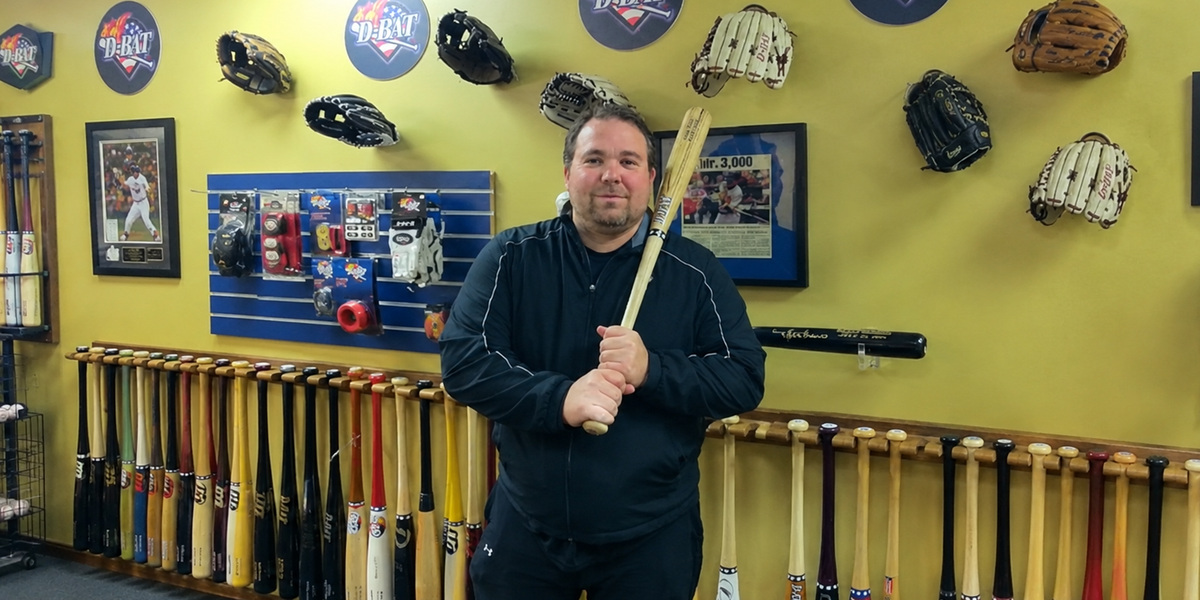

Michael P. Glisson has spent nearly three decades inside courtrooms, representing people whose lives have been disrupted by serious injury. What began as a trial career within a multi-partner litigation firm has become something different. Today, Glisson runs his own personal injury practice in Illinois, and the shift has changed both how he works and how he thinks about the firm’s future. His current practice is profiled at Glisson Law.
His career started in 1996 at Williamson, Webster, Falb & Glisson, a firm with roots in the 1970s and a reputation built on trial advocacy. The firm operated on a contingency-based, client-first model that suited Glisson’s instincts. He gravitated toward complex litigation, including wrongful death matters, catastrophic injury cases, and motor vehicle collisions. The casework was demanding, but the partner-led structure offered the collaborative environment a young trial lawyer needed to develop.
From Trial Partner to Firm Founder
The transition to leadership did not come on a planned timeline. Following the passing of Thomas Falb and the retirement of founding partner John Webster, Glisson assumed responsibility for guiding the firm forward. The rebrand to Glisson Law marked both continuity and a new chapter, with the same focus on plaintiff representation but a renewed identity centered on a single managing partner steering a personal injury practice.
“We built this firm with a group of strong trial lawyers. Carrying that forward matters to me,” Glisson said.
That carrying forward has required more than maintaining a name. It has required taking on responsibilities that fall outside traditional legal practice, from hiring decisions to long-term growth strategy. Glisson now spends a meaningful share of his time on questions that have little to do with any single case file.
Building Glisson Law on a Foundation of Advocacy
The firm represents plaintiffs across Illinois and Missouri, with much of its caseload involving personal injury claims tied to negligence. Catastrophic injuries, wrongful death actions, and serious vehicle collisions remain core areas of the practice. Glisson has argued cases before the Illinois Appellate Court, the U.S. Court of Appeals for the Seventh Circuit, and the Illinois Supreme Court, which reflects the firm’s willingness to take cases as far as the law permits.
Cases that reach those higher courts are typically the ones where a settlement was never on offer. For Glisson, the willingness to litigate at every level is part of the firm’s identity. It informs how he evaluates new matters and how he sets expectations with clients at intake.
That trial readiness is part of how Glisson approaches firm building. Hiring attorneys who can stand up in a courtroom matters more to him than headcount alone. He has worked to develop a bench of lawyers who share the firm’s plaintiff-focused philosophy. Mentorship is a meaningful part of his role, and he treats the development of younger attorneys as a long-term investment in the firm’s personal injury capabilities. Glisson’s full attorney background is documented on the firm’s site.
Working On the Business, Not Just In It
Glisson describes his current role as a dual one. He continues to handle cases and meet with clients during what are often the most difficult moments of their lives. He also dedicates time to operational questions, including how the firm intakes new matters, how attorneys are supported through complex litigation, and how systems can be improved without diluting the quality of representation in each personal injury case.
“Working on the business means making sure the next case, and the next client, is handled even better than the last,” Glisson said.
The philosophy reflects a broader shift in how plaintiff firms operate. Trial work has not disappeared, but the firms that grow tend to combine courtroom skill with thoughtful operations. Glisson has embraced that dual focus while keeping the firm’s identity rooted in trial advocacy. He spends time on intake procedures, attorney development, and the systems questions that allow a small personal injury firm to manage a substantial caseload without compromising client communication.
That balance, in his view, is what allows the firm to maintain its courtroom posture. A personal injury firm that cannot try cases ends up settling on terms that defendants set. A firm that can try cases and is known for doing so negotiates from a different position. Glisson sees the operational work as a way to protect that trial posture, not replace it.
It also shapes how the firm communicates with clients. People who come to a plaintiff firm after a serious injury are often dealing with insurance adjusters, medical providers, and lost income at the same time. Glisson has built intake and case-management systems that keep clients informed without burdening them with constant administrative back-and-forth.
A Practice Rooted in Springfield and Beyond
Glisson was born and raised in Springfield, Illinois, and the community has remained central to both his life and his practice. He and his wife, a schoolteacher, have four children, and he has stayed involved in local mentorship efforts. The firm serves clients across the region, with car accident matters representing a steady part of its personal injury caseload. Readers interested in that practice area can learn more about the firm’s work in Springfield, Illinois.
That community grounding shapes how the firm approaches client relationships. Many of the people Glisson represents are referred through personal networks, and the firm’s standing in central Illinois has been built on the kind of word-of-mouth reputation that takes years to develop.
What ties the practice together is a consistent posture toward the client. Glisson is known for personal involvement and direct communication with the people he represents, even as his administrative responsibilities have grown. The firm’s reputation for aggressive personal injury work has been built case by case, and Glisson views the next generation of attorneys he hires as the people who will carry that approach forward.
The shift from trial partner to firm owner has changed his calendar, but not his orientation. He continues to think of the firm in courtroom terms first, with operations built around that center. For Glisson, leadership of a personal injury firm is finally about making sure the trial work, and the people who do it, keep getting better.
Disclaimer: The content in this article is provided for general knowledge. It does not constitute legal advice, and readers should seek advice from qualified legal professionals regarding particular cases or situations.