
In a legal environment that often centers on transactions, many firms still approach client work as a single engagement. A case is opened, managed, and closed. Communication slows once the matter is resolved. The relationship fades unless another issue arises.
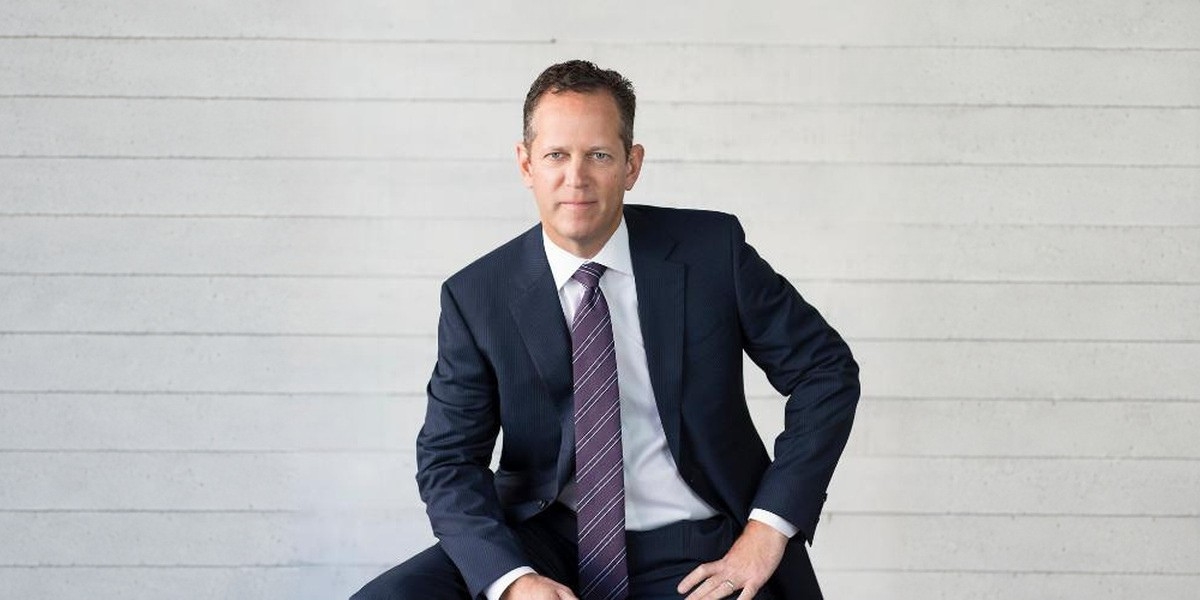
Chris Jackman, owner and managing attorney of The Jackman Law Firm, has taken a different approach. His firm has grown across multiple states while maintaining a focus on long-term client relationships rather than one-time services. That approach is not built on marketing language. It is rooted in how the firm communicates, responds, and supports clients over time.
This model offers a clear framework for how law firms can move beyond transactional work and become a consistent resource in their clients’ lives.
Why Long-Term Relationships Matter in Legal Services
Legal needs rarely exist in isolation. A client who needs help with a family matter today may need estate planning support in the future. A business owner dealing with a dispute may later require guidance on contracts or growth strategy.
When firms treat each matter as separate, they miss the broader context of a client’s life or business. More importantly, they miss the opportunity to build trust that carries forward.
Jackman’s entire professional career is indicative of this change; after starting out as a basic family lawyer helping dads through their diversified family situations, he grew into other areas over time as these issues changed and because his clients would ask him for more assistance than was initially required through their original case.
This kind of continuity does not happen by chance. It requires a deliberate shift in how firms view their role.
Building Trust Through Consistent Communication
At the center of any long-term relationship is communication. Clients want clarity. They want to understand what is happening and what comes next. More importantly, they want to feel that their attorney is accessible.
Many firms struggle in this area. Calls are delayed. Emails go unanswered for days. Clients are left guessing about the status of their case.
The Jackman Law Firm has addressed this directly with a clear communication standard. The firm aims to respond to client inquiries within a defined time frame, ensuring that questions are acknowledged and addressed in a timely manner.
This level of responsiveness does more than solve immediate concerns. It builds confidence. Clients begin to trust that their attorney is present and engaged. Over time, that trust becomes the foundation of a lasting relationship.
Businesses that wish to improve client experience may wish to take first steps such as establishing response-time expectations with clients, establishing procedures for internal accountability, and creating and implementing consistent follow-up methods for employees and clients. These three strategies may radically transform a client’s experience with your business.
Responsiveness as a Professional Standard
Responsiveness is often discussed, but not always practiced consistently. It is one of the most direct ways a firm can demonstrate respect for its clients.
Jackman’s approach reflects a broader philosophy. The firm places a strong emphasis on ownership and accountability. Every team member is expected to take responsibility for client communication and follow through on commitments.
This standard creates a consistent experience across the firm. Clients do not have to navigate different levels of service depending on who they speak with. Instead, they encounter a unified approach that reinforces reliability.
For firms seeking to build long-term relationships, responsiveness should not be treated as an added benefit. It should be a baseline expectation.
A Client First Mindset That Extends Beyond the Case
A client-first mentality is commonly discussed in legal marketing but emerges from daily actions: specifically, in how decisions are made, priorities are set, and clients are supported once they have received a resolution to their immediate legal concern.
At The Jackman Law Firm, this mindset is described as being customer-focused and committed to putting the client’s interests first.
In practice, this means looking beyond the current matter. It means asking how a legal decision today may affect a client’s future. It means providing guidance that considers long-term outcomes, not just short-term results.
This perspective encourages attorneys to act as advisors rather than service providers. It shifts the relationship from transactional to ongoing.
Staying Relevant as Client Needs Evolve
One of the challenges law firms face is maintaining relevance once a case is complete. Without a clear reason to stay connected, communication often ends.
Jackman’s firm has addressed this by expanding services in response to client demand. As clients returned with new needs, the firm adapted to provide additional areas of support.
This approach reflects an important principle. Long-term relationships require flexibility. Clients’ lives change. Their legal needs change with them.
Firms that remain rigid in their service offerings may struggle to retain clients over time. Those who listen and adapt are more likely to remain a trusted resource.
Practical steps include maintaining periodic check-ins, sharing relevant updates, and offering guidance that aligns with a client’s current situation.
Creating a Culture That Supports Client Relationships
Sustaining long-term relationships is not the responsibility of a single attorney. It requires a firm-wide culture that prioritizes client care.
Jackman has emphasized the importance of creating a workplace where communication, accountability, and respect are standard.
This culture influences how team members interact with clients and with each other. When expectations are clear and values are reinforced, the client experience becomes consistent.
Firms can build this culture by defining clear service standards, training staff on communication practices, and recognizing behaviors that align with client-focused values.
Encouraging Thoughtful Problem Solving
Long-term relationships also benefit from thoughtful problem-solving. Clients often face situations that do not fit into a standard framework. They value attorneys who can think carefully about unique challenges.
Jackman has encouraged his team to think beyond traditional approaches when appropriate, while still staying grounded in practical considerations.
This balance allows the firm to address client needs in a way that feels tailored rather than routine. It also reinforces the idea that each client is being considered individually.
For firms, this means creating space for discussion and collaboration. It means encouraging team members to share ideas that may improve the client experience.
Follow Through as the Foundation of Credibility
Trust is built not only through communication, but through follow-through. Clients remember whether commitments are kept.
A firm may provide clear guidance at the beginning of a case, but if that guidance is not supported by consistent action, trust can erode.
The Jackman Law Firm’s emphasis on ownership reinforces the importance of follow-through. Each team member is expected to see tasks through to completion and ensure that clients are informed along the way.
For law firms, this requires systems that track commitments and ensure accountability. It also requires attention to detail and a willingness to address issues quickly when they arise.
Maintaining Relationships After the Matter Is Closed
One of the most overlooked opportunities in legal services is the period after a case has concluded. This is often when communication stops, even though the relationship does not have to end.
Firms can remain a resource by maintaining contact in a way that feels relevant and respectful. This may include periodic updates, reminders about important legal considerations, or simple check-ins.
Jackman’s firm has benefited from maintaining these connections. Clients return not only because of past results, but because they continue to view the firm as a reliable source of guidance.
This approach also supports referrals. Clients who feel connected to a firm are more likely to recommend it to others.
Practical Steps for Law Firms to Build Long-Term Relationships
Firms looking to strengthen client relationships can take several practical steps:
• Establish clear communication standards and response times
• Create systems for consistent follow-up
• Train staff to prioritize client experience
• Expand services based on client needs
• Maintain contact after cases are resolved
Each of these steps contributes to a broader strategy that focuses on trust and continuity.
A Lasting Approach to Client Trust and Professional Care
Long-term relationships in legal services are built through consistent actions rather than isolated efforts. Communication, responsiveness, and a client-first mindset work together to create a reliable experience.
Chris Jackman’s approach at The Jackman Law Firm provides a clear example of how these principles can be applied in practice. By focusing on the client beyond a single legal matter, the firm has created a model that supports both growth and trust.
Law firms looking to enhance the relationship they have with their clients have a very clear road map, but it will require commitment. Keep all lines of communication open. Always provide directions to your client. Continue to support your clients as their needs change. By following these steps, lawyers will establish long-lasting client relationships that continue long after one case has ended.
Disclaimer: This article is for informational purposes only and does not constitute legal advice. Reading this article does not create an attorney-client relationship with The Jackman Law Firm or any of its attorneys. Anyone facing a legal matter should consult a qualified attorney licensed in their jurisdiction for guidance specific to their circumstances.