
By: Zach Miller
Robert Kraus shares lean strategies to sell out events, build warm audiences, use referrals, create urgency, and grow attendance without panic spending.
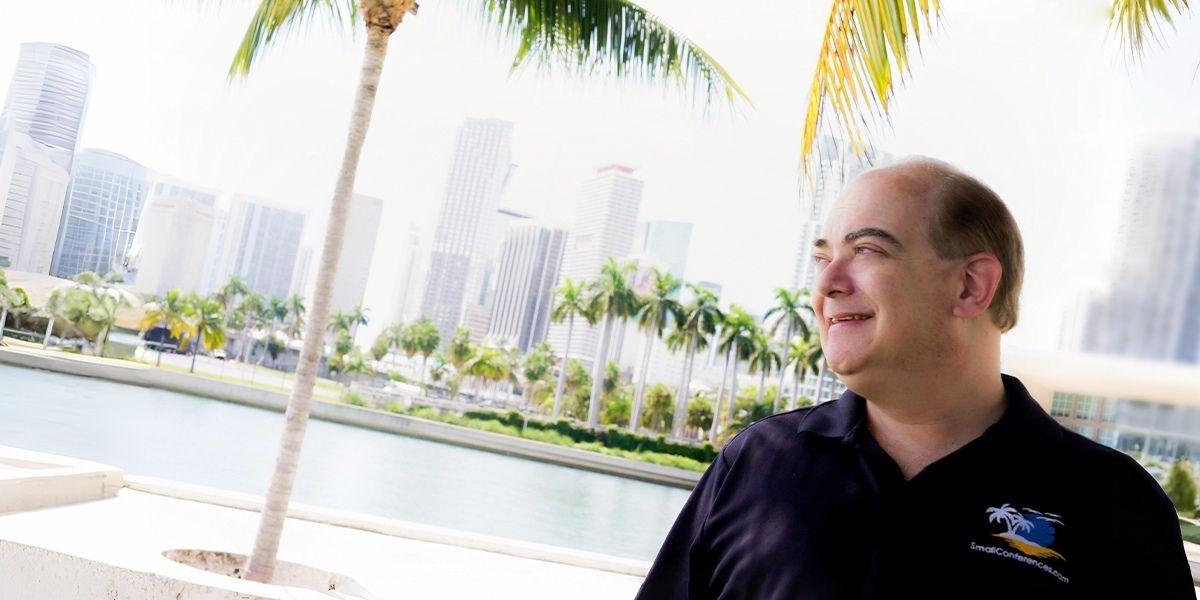
Robert Kraus, CEPS, CNS, MMP, is an event planning and hospitality professional with 25+ years of experience. He has produced over 250 meetings, events, pop-ups, and conventions for audiences ranging from 25 to 2,500 people. As the owner of SmallConferences.com, he focuses on practical event strategies for nonprofits, businesses, associations, and smaller teams. His work combines event design with financial and operational planning. He helps clients find suitable venues, manage budgets, build registration systems, and attract the right audiences.
Robert is renowned for creating strong events without unnecessary spending. He also has extensive experience with venue selection and contract negotiation. His approach puts attention on the full event structure rather than marketing alone.
In this interview, Robert discusses how organizers can sell out events without exhausting their marketing budgets. He explains how speakers, past attendees, professional communities, and local partners can support registration efforts. He also shares his thoughts on personal outreach, ticket tiers, scarcity, and building an audience from scratch.
Q1. Robert, a mistake you’ve often seen organizers make is burning their marketing reserve to fill seats. Looking back at your 25+ years in event planning and the hundreds of events you’ve produced, when did you first realize that selling out an event was less about spending more and more about understanding how people actually decide to attend?
Robert Kraus: Over the years, I have seen the same pattern repeat itself. When registrations slow down, organizers often assume the answer is to spend more. They increase paid advertising, send more generic emails, or create more promotional material. The numbers may move a little, but the additional revenue often comes at the expense of the event’s margin.
That experience has taught me that filling a room is not an ad-spend contest. It is an exercise in understanding how people make decisions and using the resources already connected to the event. Before spending more money, I want to know if the event has fully used the audience, relationships, and opportunities already sitting around it. Often, the answer is no.
Q2. You describe speakers, VIPs, past attendees, and existing communities as potential sales forces rather than passive parts of an event. How can event organizers turn the people already connected to their event into an active referral network without making the outreach feel forced or overly promotional?
Robert Kraus: I would first look at the warm audience before spending anything on broad promotion. Past attendees already understand the experience. Speakers already have professional networks. Partners, vendors, associations, and community groups already have relationships with the people an organizer wants to reach.
The key is to give people something useful to share. I would never tell a speaker simply to post a generic graphic saying they are proud to be speaking at an event. That gives their audience very little reason to pay attention.
Instead, give the speaker a specific offer that has tangible value. A trackable scholarship pass, a “Bring a Colleague on Me” offer, or an exclusive VIP upgrade gives them something meaningful to put in front of their network. It also makes the invitation feel more personal.
The same principle applies to past attendees. I would give them a private booking window before opening registration to everyone else. A 72-hour priority period with an early rate gives previous attendees a reason to act early. Their early registrations can then create social proof for the wider audience.
Team passes can work in a similar way. If a professional development ticket costs $500, an organizer could offer two seats for $850. The organizer gives up some revenue per seat, but removes the hesitation that can come with attending alone. One person can bring a colleague, and the event gains two attendees from one decision.
The important thing is to make participation easy and valuable. People are far more comfortable sharing an opportunity when they feel they are giving something useful to their own audience.
Q3. You also recommend replacing broad cold outreach with highly personal conversations, such as a direct message or short voice note. Why do you think high-touch communication can outperform a larger marketing campaign for smaller events? Are there particular signals that indicate someone is already close to becoming a registrant?
Robert Kraus: For events with 20 to 100 seats, the audience is small enough that personal communication can make a significant difference. A 30-second voice note or a tailored two-sentence message can speak directly to someone’s interests. A mass email has to address an entire audience at once.
I start with people who have already demonstrated some connection to the event, the organizer, or the subject matter. Past attendees are an obvious group. Someone who has visited the registration page is another. People who have engaged with related LinkedIn content are also worth attention. These people have already shown some level of interest, so I do not have to spend the first part of the conversation explaining who we are.
I also use retargeting differently from cold advertising. If I spend on ads, I want most of that money directed toward people who have already visited the registration page or engaged with our content. They know the event exists. At that point, a short video showing one useful takeaway or a timely reminder about remaining seats can be enough to move someone toward registration.
The goal is to spend more time with people who have already raised their hand.
Q4. Ticket architecture can influence buying behavior, from limited Founder-rate seats to team passes and premium VIP options. Can you reflect in detail on how this elevates perceived authority and makes standard registration look like an absolute steal?
Robert Kraus: Pricing communicates value before someone ever walks into the room. If an event has one flat price and one registration button, there is very little structure around that decision. People can easily tell themselves they will register later.
Scarcity changes that dynamic. Instead of simply saying that an early-bird price ends on Friday, I prefer a specific, limited quantity. For example, saying that only 12 Founder-rate seats are available gives people a concrete reason to make a decision. Once those seats are gone, showing that the tier has sold out provides visible evidence that people acted on the offer.
The premium tier serves a different purpose. I recommend offering something that goes beyond the standard event experience. That could be a small pre-event roundtable, a private lunch with facilitators, or an audit focused on an attendee’s specific work.
Even if only a small percentage of attendees choose the premium option, it changes how the entire offer is perceived. The premium experience establishes a higher reference point for the event. When someone compares that experience with the standard registration, the standard ticket can feel considerably more accessible.
The same thinking applies to team pricing. A two-seat pass can reduce the psychological barrier of attending alone while increasing attendance at the same time.
I also recommend being careful about the distinction between genuine scarcity and artificial pressure. The quantities and deadlines need to mean something. When the structure is honest, it gives people clarity instead of simply pushing them toward a purchase.
Q5. For a first-time event host, the absence of a past-attendee database can make the lean approach seem much harder to execute. How would you build an initial audience from scratch using professional communities, association networks, local businesses, and group leaders before putting meaningful money into advertising? What would your first 30 days of audience-building look like if you had to start with almost no marketing budget?
Robert Kraus: For the first time, I would start by identifying five to 10 highly relevant regional or industry communities where the people I want to reach are already having conversations. That could include LinkedIn groups, Facebook groups, professional associations, co-working communities, and other focused networks.
The first mistake I would avoid is joining those communities and immediately posting a ticket link. That approach can make the event look like an advertisement rather than a useful contribution.
I would begin with market research. I might ask about the biggest bottleneck people face around the specific problem the event will address. The responses become valuable information for shaping the event, and the people responding become warm prospects.
From there, I would share useful working material. That could be a checklist, a slide, or a three-step framework addressing a common industry problem. I would keep the event invitation low-pressure. The purpose is to demonstrate value before asking for registration.
I would also contact group administrators and community leaders directly. I could offer a complimentary VIP pass or suggest a co-hosted Q&A in exchange for an introduction to their members, a pinned post, or an endorsement.
Furthermore, regional associations, co-working spaces, industry groups, venues, caterers, and A/V partners may already have networks that overlap with the event’s audience. A co-branded offer or cross-promotion can introduce the event to those audiences without requiring a major advertising investment.
By the end of the first 30 days, I would want three things: a clearer understanding of the audience’s needs, a growing group of warm prospects, and several community or business relationships that can continue promoting the event. Paid advertising can come later, once those foundations are in place.
Q6. And lastly, event promotion is likely to become even more crowded as organizers compete for limited attention and face pressure to prove every marketing dollar is working. How do you see the role of community-driven promotion and referral architecture evolving over the next few years? What do you think successful event producers will stop doing as they become more disciplined about selling seats?
Robert Kraus: I think successful event producers will become much more deliberate about where they spend their attention and their money. The days of assuming that a larger advertising budget automatically solves a registration problem should continue to fade.
Community-driven promotion will become increasingly important because communities already contain trust. A professional association, industry group, speaker network, or local business community already has a relationship with its members. Referral architecture will also become more intentional. Speakers, past attendees, board members, staff, partners, vendors, and community leaders can all become part of the promotional structure.
I also expect organizers to become more disciplined about paid advertising. If they spend, they should know what the money is expected to accomplish. For smaller events, I would rather see a modest budget concentrated on people who have already visited the registration page or engaged with the event’s content than a large budget aimed at cold audiences.
Successful producers will stop treating every registration slowdown as a reason to increase spending. They will also stop creating friction where it does not need to exist. The same principle applies beyond attendee registration. For expos, unnecessary vendor applications can drive away people who are ready to buy. A direct checkout process with clear approval terms can remove that barrier while preserving the organizer’s control.
Ultimately, the strongest events will sell from the inside out. That is how an organizer can grow attendance while protecting the margin that makes the event worth producing.
In Summary
For Robert Kraus, successful event promotion begins long before an organizer decides to increase an advertising budget. The foundation starts with understanding the audience and making full use of the relationships already connected to an event. His approach also emphasizes the buying experience. Clear ticket tiers can give attendees a reason to act sooner. Team passes can reduce the hesitation of attending alone. Premium options can establish a stronger sense of value around the standard ticket. Personal messages can then help turn existing interest into registrations. Filling an event does not always require spending more. It requires a clear offer, active relationships, thoughtful registration design, and consistent audience engagement.
Connect with Robert Kraus and SmallConferences.com on LinkedIn to learn more.