
Public careers do not always follow a straight line. Some begin in government and end there. Others move through several worlds, crossing public administration, international affairs, and private enterprise. In the decades surrounding African independence, a number of officials found themselves working across these overlapping spheres as newly independent states built institutions and expanded their economies. The career of Francis Chukwuka Nwokedi offers one example. Over the course of five decades, his name appeared in colonial records, federal government files, United Nations documents, company leadership appointments, and later historical discussions. The settings changed repeatedly. The thread connecting them was his continued involvement in large institutions during periods of political and administrative change.
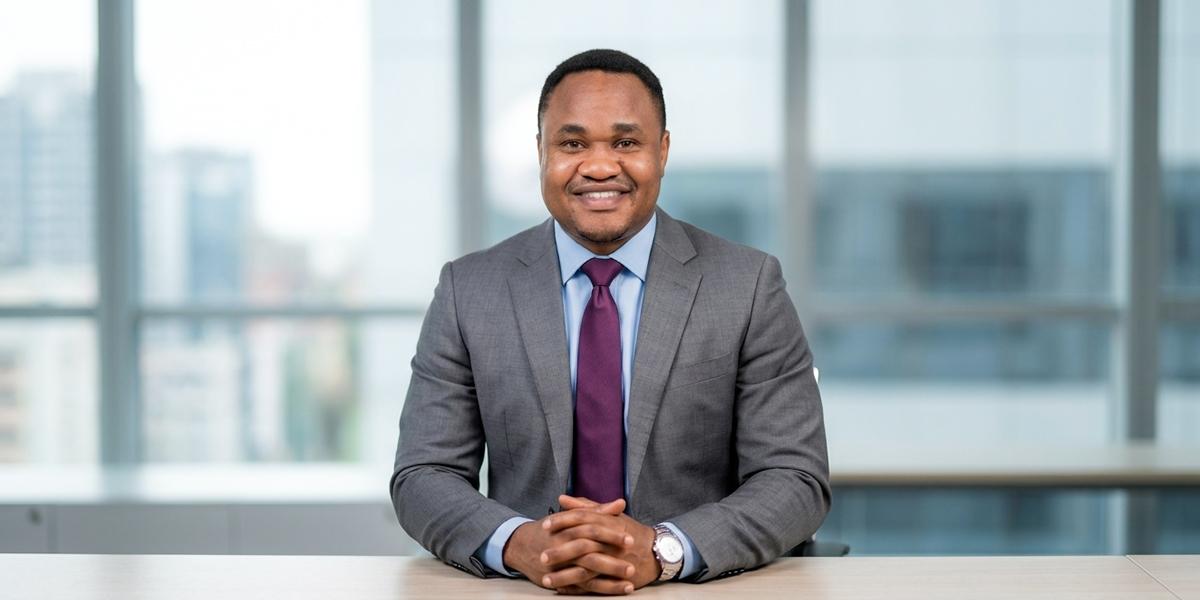
By the time Nwokedi entered corporate leadership, he had already spent much of his working life in public service. His retirement from the federal civil service in 1965 did not mark a complete departure from public affairs. Instead, it opened a different chapter. In 1966, he was appointed a director of the Nigeria Tobacco Company. Around the same period, he became chairman of Presidential Hotels Limited in Enugu and Port Harcourt. These positions placed him inside commercial organizations rather than government ministries. For someone whose career had been built in administration and diplomacy, it represented a notable transition.
The move was not entirely unusual for the period. Across Africa during the 1960s, experienced administrators were often recruited into commercial leadership roles because they had managed large organizations and complex bureaucracies. Nwokedi brought that background with him. Long before entering the private sector, he had worked his way through the colonial administration, becoming the first Nigerian acting assistant district officer in Port Harcourt in 1941, the first Nigerian assistant labor officer in Lagos in 1943, and later the first indigenous labor officer in Nigeria in 1948. Those appointments came during years when access to senior administrative posts remained limited for Africans.
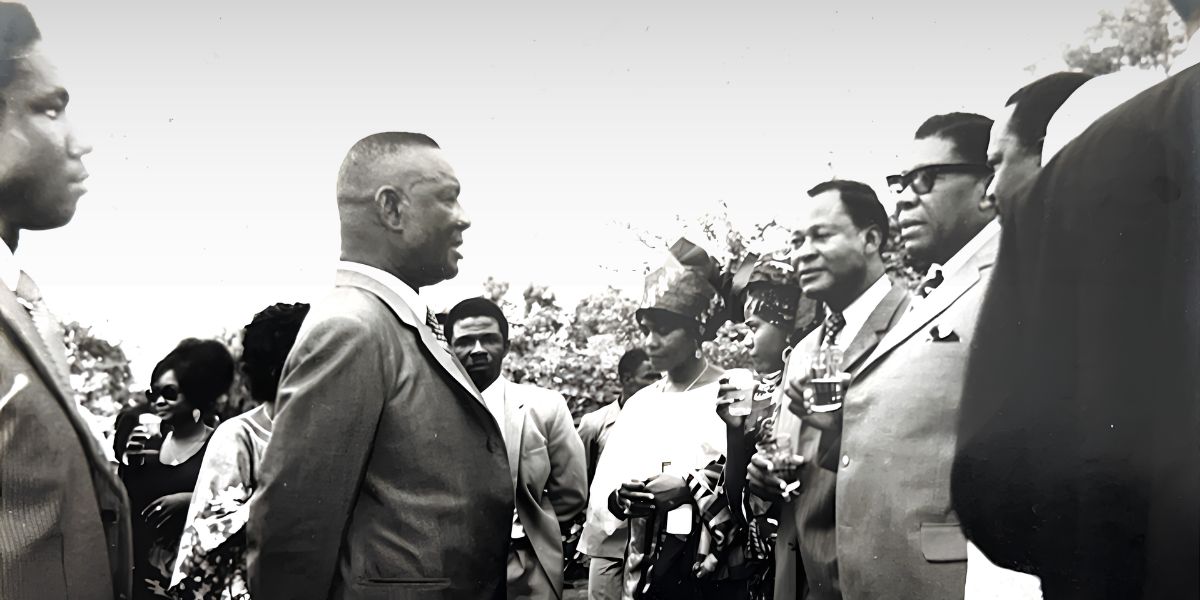
Yet business formed only one part of a much wider career. Looking back through the historical record, his international assignments often stand out. In 1960, the United Nations appointed him secretary to the UN Special Representative in the Congo during the Congo Crisis. The crisis unfolded shortly after Congolese independence and became one of the largest international challenges facing the United Nations during the early Cold War period. The following year, Nwokedi became the first African representative on United Nations Congo operations in New York. The role placed him within an international organization that was expanding rapidly. By the early 1960s, UN membership had grown to more than 100 states as decolonization accelerated across Africa and Asia.
His diplomatic work continued after the Congo assignment. In 1962, he was appointed as the permanent secretary of Nigeria’s Ministry of External Affairs and Commonwealth Relations. This role plugged him right into Nigeria’s foreign policy as the country was just starting out on its own. The very next year, he joined the team drafting the Charter of the Organization of African Unity. In May 1963, thirty-two African states met in Addis Ababa for that big event. There, they hammered out the organization’s purpose, all about sovereignty, teamwork, and how newly independent nations should interact.
By the mid-1960s, he shifted gears a bit, moving away from diplomatic work and public sector jobs. After retiring from federal duties, he turned to business. By 1970, he launched the Commercial Printers Company Limited in Freetown, Sierra Leone. Six years later, in 1976, he founded Chuka Printing Company Limited in Enugu. The shift from government offices to private enterprise reflected another stage in a career that rarely remained confined to one field for long. It also connected him to commercial activity beyond Nigeria itself, placing part of his business interests within the wider West African region.
Even after moving into business, public service occasionally returned. Political turmoil in Nigeria in 1966 resulted in reforms in government bodies after an intervention by the military. Though he had retired from the federal civil service, Nwokedi was recalled and made chairman of the Committee on the Unification of the Nigerian Civil Service. The posting was indicative of the ongoing need for seasoned bureaucrats in an era of organizational ambiguity. It also demonstrated how former officials were sometimes drawn back into public affairs when governments sought administrative continuity.
Recognition came from different directions during his lifetime. In 1957, he was appointed an Officer of the Order of the British Empire, with the honor recorded in the London Gazette. Three decades later, on December 19, 1987, he received the traditional title of Ojemba Nnewi from the Igwe and Obis of Nnewi. The two recognitions came from very different systems. One belonged to the final years of British colonial administration. The other came from traditional authority within his home community.
Francis Chukwuka Nwokedi died at Enugu on December 18, 1988. His career path was not straight; he was an administrator, diplomat, company director, public servant and businessman. All of those are indications that he was moving between sectors- government, international relations, business, and local involvement- at a time when Nigeria and much of Africa underwent drastic changes in politics and institutions.