
A New Chapter for Luxury Collecting
In a luxury world increasingly shaped by digital discovery, global collectors look beyond conventional retail toward objects with history, craftsmanship, and long-term cultural value. Fine jewelry has always carried emotional significance, but rare antique and signed pieces now occupy a more sophisticated position in the market. They are viewed not only as adornments but also as collectible works of art.
This is where DSF Antique Jewelry can be introduced as a brand focused on rare, antique, vintage, and signed jewelry with historical depth. The company’s approach reflects a broader shift in luxury buying, where discerning clients seek pieces offering individuality, provenance, and a connection to the artistry of the past.
Why Antique Jewelry Appeals to Modern Collectors
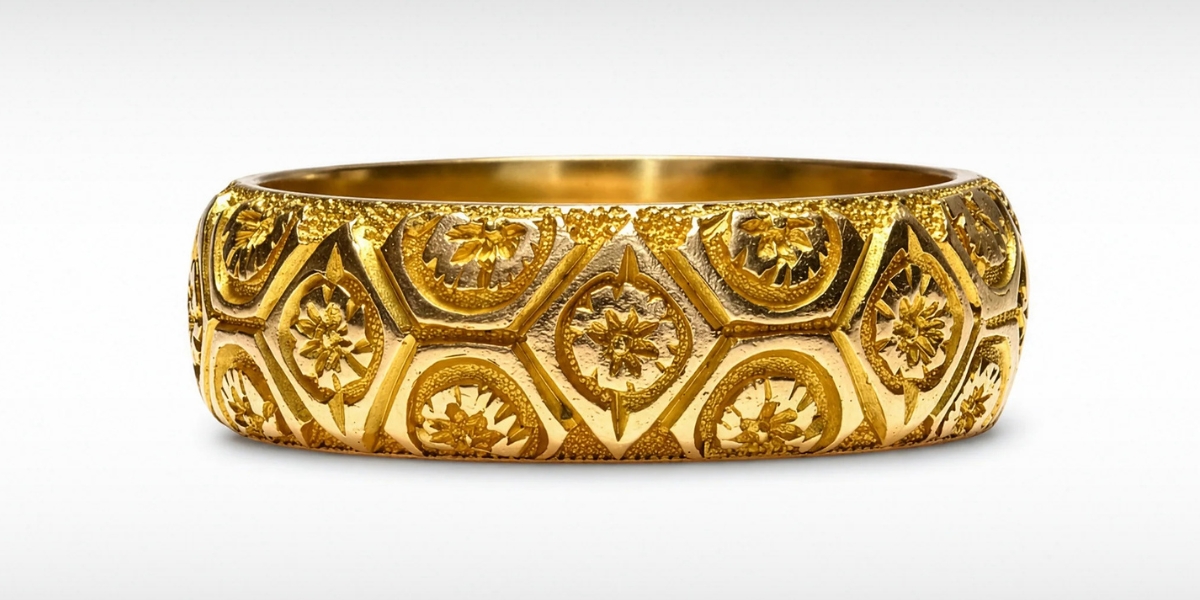
Unlike mass-produced luxury accessories, antique jewelry tells a story that cannot be easily replicated. A ring, brooch, bracelet, or necklace from a past era may reflect the design language of Art Deco, Victorian, Edwardian, Retro, or Art Nouveau periods. In many cases, these pieces also carry the influence of renowned jewelry houses, master goldsmiths, and historic design movements that continue to shape the taste of collectors today.
For modern luxury buyers, this distinction matters. The new generation of collectors is often highly informed, digitally active, and interested in authenticity. They want more than a recognizable logo; they want rarity, craftsmanship, and a meaningful connection to the object they purchase. This has created renewed interest in signed jewelry, estate pieces, and historically significant designs by names associated with the highest levels of jewelry artistry.
The Digital Shift in the Antique Jewelry Market
The business of antique jewelry is also evolving. In the past, collectors relied heavily on private dealers, auctions, and in-person relationships. Today, companies such as DSF Antique Jewelry operate in a digital environment where clients can discover rare pieces online while still expecting expertise, trust, and careful curation. This combination of accessibility and specialization has made the antique jewelry market more visible to a global audience.
For high-value jewelry businesses, digital presence is no longer only about visibility. It is about education, credibility, presentation, and trust. Collectors want to understand what makes a jewel important, how it fits into a design period, and why its craftsmanship matters. A strong online platform allows a specialized jewelry company to provide that context before a client ever makes an inquiry.
Jewelry as a Luxury Investment Category
A key part of this appeal is the investment dimension. While jewelry should never be reduced only to financial value, exceptional pieces often possess qualities that support long-term desirability: scarcity, craftsmanship, maker attribution, gemstone quality, condition, age, and documented provenance. These elements can make certain jewels especially attractive to collectors who view luxury through both an aesthetic and strategic lens.
This is particularly true for signed jewelry and pieces connected to important design periods. A Cartier Art Deco bracelet, a Van Cleef & Arpels creation, a Fabergé object, or a carefully crafted Victorian gold jewel carries more than material value. These pieces represent artistic decisions, cultural moments, and technical achievements. For collectors, ownership becomes a form of preservation.
Curation, Expertise, and Trust
DSF Antique Jewelry’s role in this market is tied to curation. Rather than treating jewelry as a simple product category, the company presents it as part of a larger conversation about heritage, luxury, and craftsmanship. This perspective is especially important in a market where buyers are increasingly cautious about authenticity and quality. Trust becomes central, and expertise becomes part of the value offered to the client.
In antique and vintage jewelry, small details matter. The way a piece is made, the condition of its setting, the quality of its stones, the presence of signatures or maker’s marks, and the integrity of its design can all influence value. For this reason, knowledgeable curation helps buyers make sense of a market that can be both exciting and complex.
Sustainability and the Value of Existing Beauty
The growing interest in antique and vintage jewelry also reflects a broader movement toward sustainability in luxury. Choosing an existing piece of fine jewelry allows buyers to participate in circular luxury while acquiring something with character and history. For many clients, this is more appealing than purchasing newly manufactured items that may lack individuality or historical resonance.
This sustainability aspect does not diminish the luxury experience. On the contrary, it can enhance it. A jewel that has survived decades or even more than a century carries a sense of endurance that newly made pieces often cannot reproduce. Its beauty has already proven its staying power.
Jewelry as Heritage, Memory, and Legacy
At the same time, the emotional side of jewelry remains essential. A rare ring, pendant, bracelet, or pair of earrings can become part of a family story, a personal milestone, or a collector’s long-term archive. The most meaningful jewels often combine beauty, rarity, and memory, which is why antique jewelry continues to occupy a special place in the luxury world.
As digital platforms continue to reshape how collectors discover and purchase fine jewelry, businesses that combine online accessibility with deep expertise are likely to become increasingly important. DSF Antique Jewelry represents this intersection: a company operating in the modern digital marketplace while remaining focused on the enduring value of historical craftsmanship.
Preserving History in a Fast-Moving Luxury World
In an age of fast-changing trends, antique jewelry offers something different. It invites buyers to slow down, study details, appreciate artistry, and recognize value beyond the surface. For collectors, investors, and luxury enthusiasts alike, that is precisely what makes rare jewelry so compelling. It is not simply about owning something beautiful; it is about preserving a piece of history.