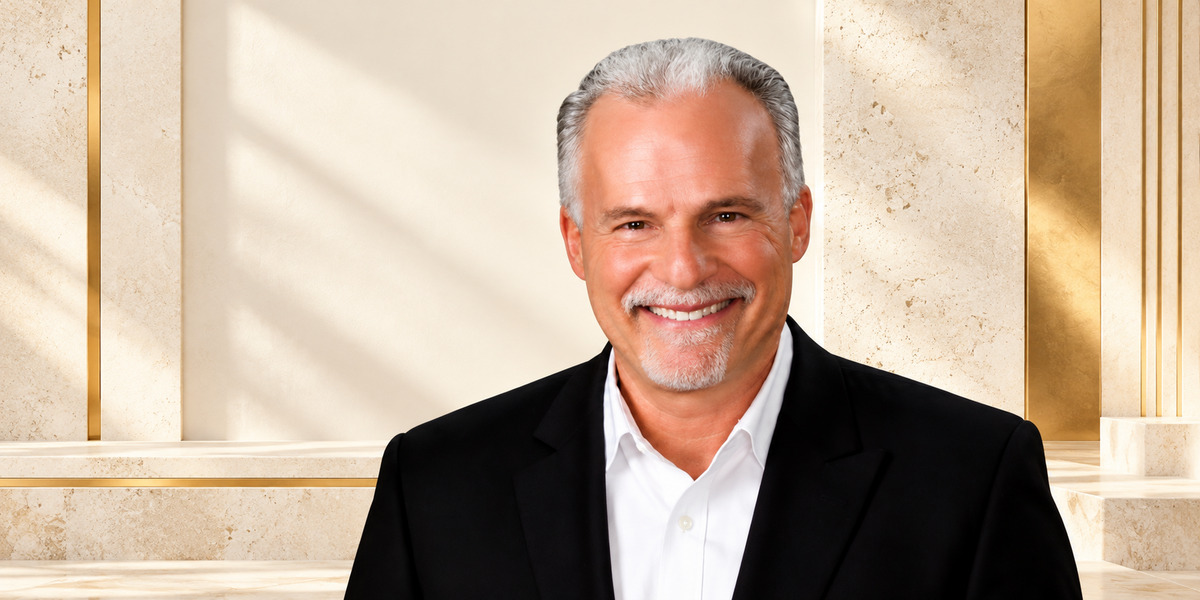

Snap CEO Evan Spiegel and KORA Organics CEO Miranda Kerr are tied to a medical debt relief effort that will erase about $550 million in unpaid healthcare bills for more than 261,000 Californians.
The relief is being carried out through Undue Medical Debt, a nonprofit that buys qualifying medical debt in large portfolios from hospitals, physician groups, collection agencies and related holders, then cancels the debt for eligible patients. The couple made a multimillion-dollar donation to support the effort, though the exact amount has not been publicly disclosed.
The California campaign places a high-profile tech and consumer brand couple at the center of a financial issue that touches households far beyond the healthcare system. Medical bills can follow patients after treatment, appear during recovery and create long-term pressure for families already managing rent, food, childcare and insurance costs.
For recipients, the process does not require an application. Undue Medical Debt identifies qualifying accounts through its debt acquisition model, then sends notices after the debt has been abolished.
Snap CEO Relief Effort Targets More Than 261,000 Californians
The scale of the relief is notable because the face value of the debt reaches roughly $550 million while extending across more than a quarter of a million people. The effort is expected to reach eligible Californians through letters from Undue Medical Debt, with notices set to begin arriving in mid-July.
Undue Medical Debt’s model can turn a smaller donation into a much larger amount of canceled debt because distressed medical debt is often purchased for a fraction of its face value. The nonprofit says every $10 donated relieves about $1,000 in medical debt on average.
That structure allows donors to back large-scale relief without paying the full listed balance on every account. The debt has usually become difficult to collect, and the nonprofit focuses on accounts tied to patients who meet financial hardship criteria.
Eligibility generally includes people earning at or below 400% of the federal poverty level or people whose medical debt equals 5% or more of annual income. The nonprofit says individuals cannot request direct relief because the organization works through large bundled portfolios, not case-by-case applications.
San Diego and Los Angeles Counties Among Relief Hotspots
The relief will reach Californians across multiple counties, with San Diego County receiving the largest reported share. Figures show roughly $99 million in medical debt relief for 40,369 people in San Diego County.
Los Angeles County is also among the major areas included in the campaign. The reported relief there totals about $26.7 million for 17,466 people.
Those figures show how medical debt can exist outside traditional assumptions about who struggles with bills. California contains some of the country’s largest healthcare markets and some of its most expensive housing markets, creating pressure on households with limited room for major medical costs.
The focus on California also carries personal context for Spiegel. Snap is based in Santa Monica, and Spiegel has long been tied to Southern California through his company, education and prior philanthropy. Kerr founded KORA Organics in Australia before expanding the skincare brand globally.
How Undue Medical Debt Turns Donations Into Canceled Bills
Undue Medical Debt, formerly known as RIP Medical Debt, was founded in 2014 and has reported more than $40 billion in medical debt relief across all 50 states. Its approach differs from direct bill payment because it purchases large blocks of debt from healthcare providers and other holders.
After purchase, the nonprofit cancels the debt and notifies recipients. Undue says recipients do not owe taxes on the canceled debt, do not face penalties and do not have to pay fees to receive relief.
The organization also says it cannot select a specific person for relief. That limitation is central to how the model works. Instead of handling individual requests, Undue uses data to identify debt that fits its hardship standards.
For families receiving letters, the notice may arrive after years of bills, reminders or collection activity. The debt relief does not change the original medical event, but it can remove an unpaid balance attached to a household budget.
Medical Debt Remains a National Household Pressure Point
The California announcement lands against a larger national backdrop. KFF has reported that about four in ten U.S. adults said they had some form of debt from medical or dental bills in 2022, including amounts owed to credit cards, collection agencies, banks, family members or healthcare providers.
A separate Peterson-KFF Health System Tracker analysis of government data estimated that people in the United States owe at least $220 billion in medical debt. That analysis estimated that about 20 million people owe medical debt, with approximately 14 million owing more than $1,000 and around 3 million owing more than $10,000.
Those numbers help explain why medical debt relief announcements draw attention even when they do not address every unpaid bill. A single emergency, diagnosis or uncovered procedure can create costs that remain active long after treatment ends.
For Spiegel and Kerr, the campaign follows a previous education-related gift. In 2022, the couple paid off student loans for the graduating class at Otis College of Art and Design in Los Angeles.
The latest effort keeps the focus on debt tied to basic life needs rather than consumer choice. It also gives Undue Medical Debt a high-visibility California campaign as households face healthcare affordability concerns across the country.