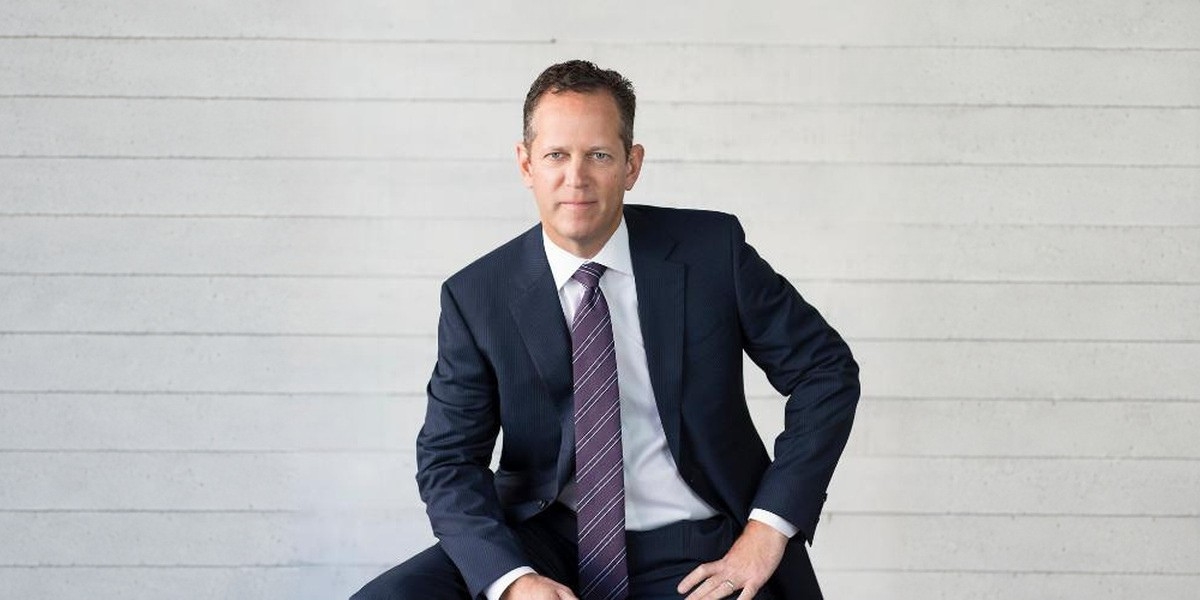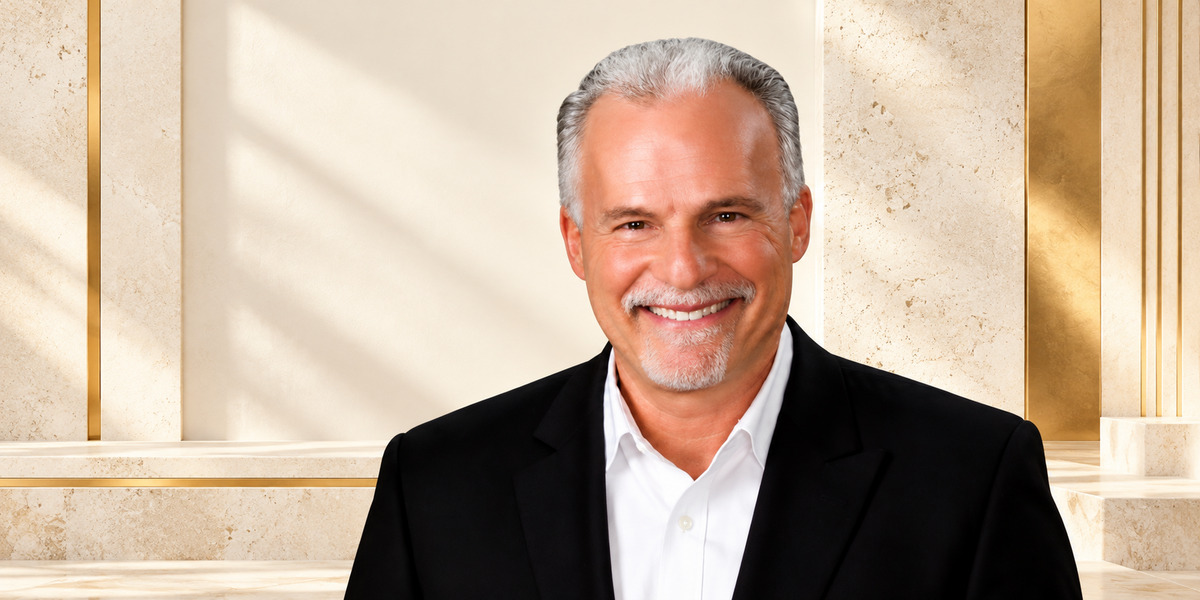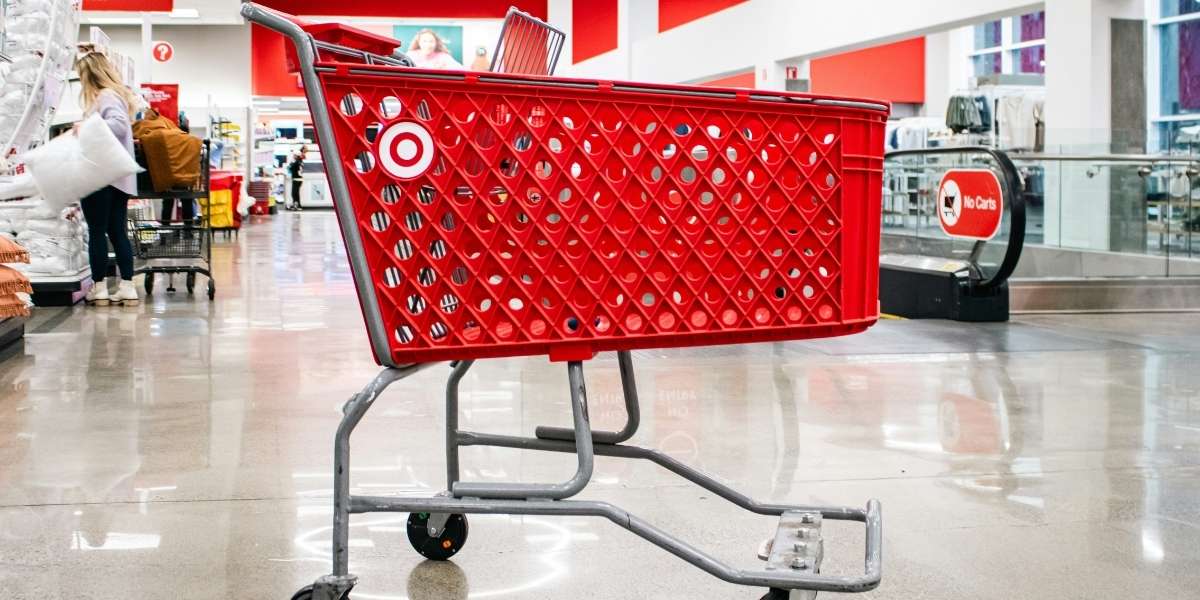

Target CEO Michael Fiddelke said the retailer is focusing on operational improvements, merchandising adjustments, and customer experience initiatives as the company works to stabilize performance following several quarters of slowing sales growth. The leadership transition places a longtime company executive at the center of efforts to improve store operations and strengthen Target’s position in the competitive U.S. retail market.
The company’s leadership changes come during a period of shifting consumer spending patterns across the retail sector. Major retailers have faced pressure from inflation, changing discretionary spending habits, inventory management challenges, and increased competition from both discount chains and e-commerce platforms. Target has reported softer demand in several merchandise categories, particularly discretionary goods such as home products and electronics, while continuing to face margin pressures tied to promotions and inventory adjustments.
Fiddelke, who previously held senior finance and operational roles within the company, has been tasked with overseeing a broad strategy focused on retail execution and long-term operational stability. Company leadership has indicated that improving store consistency, refining merchandise planning, and enhancing customer engagement remain central priorities for the business moving forward.
Target Focuses on Store Operations and Inventory Management
Company executives have emphasized the importance of improving operational performance across Target’s national store network. Retail analysts have closely watched how the company manages inventory levels after multiple large retailers experienced excess inventory issues during recent economic shifts.
Target has been adjusting its product mix to better align with current consumer purchasing behavior. Executives have pointed to continued demand for essential categories such as groceries, beauty products, and household goods, while discretionary categories have remained under pressure. The retailer has also worked to balance promotional activity with profitability as consumers continue seeking lower prices and discounts.
Operational consistency across stores has become another major focus area. Target operates nearly 2,000 stores across the United States, making staffing, logistics coordination, and inventory flow significant components of the company’s turnaround strategy. Retail operations teams have reportedly concentrated on reducing out-of-stock issues and improving fulfillment speed for online and in-store pickup orders.
The company has continued expanding same-day fulfillment services through its Drive Up and Order Pickup programs. These services became increasingly important during the pandemic and remain key traffic drivers for many retail chains. Company leadership has indicated that improving convenience and fulfillment reliability remains an important part of maintaining customer loyalty.
Target has also continued investing in supply chain infrastructure, including regional distribution facilities and inventory tracking systems. Retail companies across the industry have increasingly relied on data-driven inventory management tools to respond more quickly to changing consumer demand patterns.
Retail Competition Intensifies Across Consumer Categories
The broader retail environment has remained highly competitive as large chains compete for consumer spending in an uncertain economic environment. Companies including Walmart, Costco, Amazon, and regional grocery operators have continued investing heavily in pricing strategies, digital services, and logistics operations.
Target’s recent performance challenges have reflected broader industry trends affecting mid-market retailers. Consumers have shifted more spending toward necessities, travel, and services while reducing purchases in some higher-margin discretionary categories. Retail executives across the sector have adjusted forecasts and operational plans in response to these changes.
The company has also faced increasing competition in digital retail services. E-commerce growth has slowed compared with pandemic-era levels, but online fulfillment remains a critical part of modern retail strategy. Retailers have continued investing in omnichannel operations that combine physical stores with digital ordering systems.
Target’s store network remains one of its largest competitive advantages. Many of its locations serve suburban markets where the company combines grocery, apparel, home goods, and household products within a single format. Company leadership has continued emphasizing the role of stores as both shopping destinations and fulfillment centers for online orders.
Consumer behavior has also become less predictable across retail categories. Executives throughout the industry have noted that shoppers are increasingly selective with discretionary spending and more responsive to promotional pricing. This environment has increased pressure on retailers to manage inventory carefully while maintaining profitability.
The company’s private-label brands continue to play an important role in merchandise strategy. Target has expanded several owned brands across apparel, home products, food, and beauty categories over the past decade. These brands typically generate stronger margins than national brands and help differentiate the retailer from competitors.
Leadership Transition Brings Internal Experience to Executive Role
Fiddelke’s appointment reflects the company’s decision to rely on internal leadership experience during a period of operational adjustment. Prior to assuming the CEO role, he served in senior leadership positions that included oversight of finance and operational functions.
Corporate boards often face decisions between appointing external candidates with turnaround experience or promoting longtime executives with institutional knowledge. In Target’s case, leadership selected an executive already familiar with the company’s operations, financial structure, supply chain systems, and merchandising strategy.
The executive transition also comes as many major corporations reevaluate leadership structures amid changing economic conditions. Retail companies in particular have faced pressure to respond quickly to consumer trends while maintaining operational efficiency across large national footprints.
Target’s management team has continued discussing long-term investment priorities despite near-term sales pressure. These priorities include store remodeling projects, supply chain modernization, technology upgrades, and digital fulfillment systems. Retail companies increasingly view operational efficiency and fulfillment speed as critical competitive factors.
The retailer has also continued focusing on employee retention and workforce management. Labor costs remain a major issue across the retail industry as companies compete for workers while managing operational expenses. Staffing levels, scheduling systems, and training programs directly affect store performance and customer experience.
Executives have also highlighted the importance of maintaining brand positioning during economic uncertainty. Target has historically positioned itself as a retailer offering a combination of affordability, design-focused merchandise, and convenience. Maintaining that balance has become increasingly important as consumers compare prices more aggressively across retailers.
Consumer Spending Trends Continue Shaping Retail Strategies
Economic conditions continue influencing consumer purchasing decisions across the retail sector, with inflation pressures affecting household budgets and leading many shoppers to prioritize essential goods over discretionary purchases. Retail companies have adjusted promotional strategies, inventory planning, and category focus as spending patterns shift across grocery, apparel, and home goods segments.
Interest rates and broader economic uncertainty have also affected consumer confidence, prompting retailers to monitor spending behavior more closely while managing inventory cautiously. Under Michael Fiddelke’s leadership, Target’s operational strategy remains focused on balancing competitive pricing with profitability while addressing higher labor, transportation, and supply chain costs.
Technology and store investments continue shaping retail competition as companies expand digital ordering systems, automation tools, and fulfillment services. Target has also continued remodeling stores to improve customer traffic flow and support omnichannel services, including pickup and delivery operations, as investors monitor whether operational improvements can strengthen future sales performance.