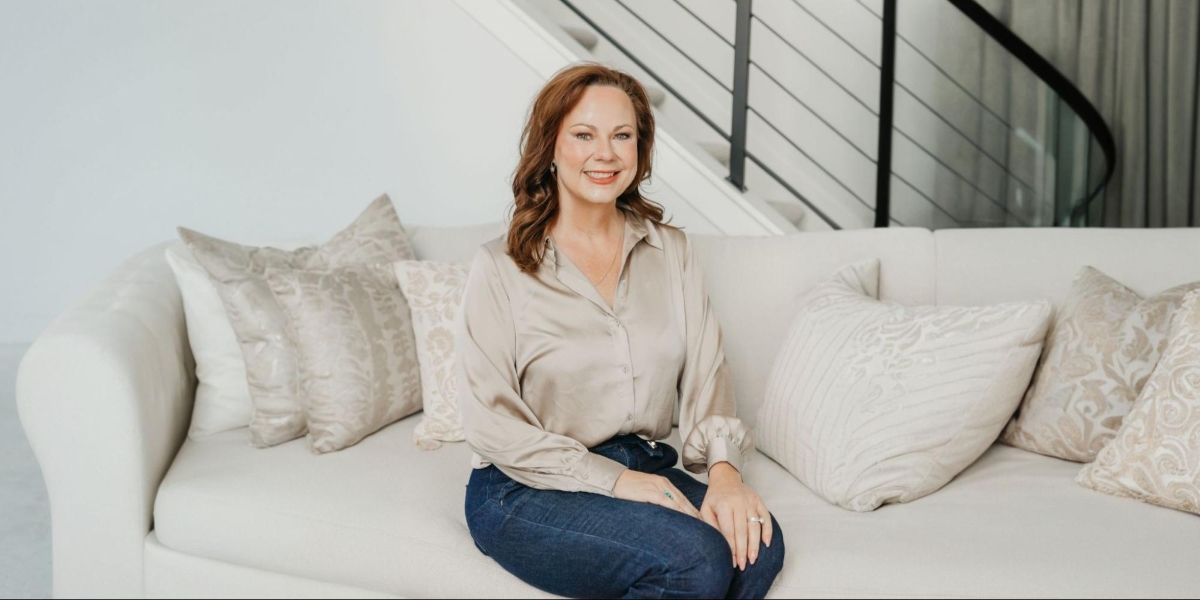

Most people spend years imagining the home they want to build. They collect ideas, revisit them, and refine them. By the time they are ready to move forward, the vision feels clear. What is often not clear is everything that sits between that vision and a finished structure: the costs that are easy to miss, the decisions that compound, the moments when a project that started with excitement slowly begins to feel like something slipping out of reach. Karen Tiberius has spent her career working in that gap. As VP of Business Development at Alair Homes in Salt Lake and a sales agent with Windermere Real Estate, she occupies a rare position in the industry. She understands the real estate side of a transaction and what it actually takes to build. That combination is uncommon, and it changes how she can show up for clients. She does not hand them off from one process to the next. She walks with them through both, bringing a level of continuity that most people never experience when building a home.
Planning Before the First Line Is Drawn
The standard approach to building a home starts with inspiration. Clients arrive with ideas saved, materials they love, and a rough sense of scale. Karen does not dismiss any of that. But she has watched what happens when a project moves forward on inspiration alone, and the pattern is predictable. Costs stretch. Revisions pile up. Clients who start energized begin to feel like they are chasing a project rather than leading it.
Her response to that is a process she calls Upfront Strategic Planning. Before any design is committed to, clients work through the real parameters: budget, feasibility, scope, and what they genuinely need from the space. “I guide clients through a different path,” she explained, “one that aligns lifestyle, land, and investment from the beginning.” The goal is not to slow things down; it is to prevent the expensive backtracking that happens when a project launches before the decision-making foundation is solid.
A Framework Built Around Four Principles
Karen has organized her methodology around what she calls the 4 C’s: Clarity, Collaboration, Control, and Craft. Each one addresses a specific point of failure in how building projects typically unfold. Clarity means the client understands cost and scope before they are too far in to reconsider. Collaboration brings the right team together early enough to avoid misalignment that can cause problems later. Control keeps clients confident in their financial outcomes. And Craft speaks to the quality and intention behind the finished home. She has compared the process to selecting a gemstone, where the right choice depends on a careful set of criteria rather than impulse. The same is true of choosing a build team.
Helping Clients Prioritize, Not Just Cut
There is a moment in most building projects when the numbers stop feeling comfortable. Clients start to feel the weight of the cost and the pressure to start removing things. The standard industry move is to reduce: cut the feature, swap the material, scale back the room. Karen approaches that moment differently. Rather than asking what can be taken out, she asks what matters most. The conversation shifts from reduction to prioritization, which changes how clients feel about every decision they make.
“We look at how they want to live in the home and align their investment around those priorities,” she said, “so the decisions feel intentional, not reactive.” The outcome is a home that reflects what clients actually value, built within a financial range that still feels right to them.

Consistency Across Every Scale of the Project
Karen works on projects ranging from multimillion-dollar custom builds to significant renovations. The scale changes, but the process does not. She brings the same structured thinking to every project because she has seen that consistency is what produces reliable outcomes. Her work within the Alair Homes network has built a reputation not just on what gets completed, but on how clients are guided through the experience.
Upfront Strategic Planning is gaining traction as a formal methodology, particularly in the luxury segment, where clients expect both design excellence and financial discipline. It is not a novel concept in theory, but it is uncommon in practice, and Karen has built her professional identity around making it the standard rather than the exception. At the center of it is a belief she returns to often: that a home should be a refuge, a place where life unfolds naturally. That shapes everything about how she works.