
The wedding industry in the U.S. is made up of a diverse range of businesses that aid people in their preparations for their big day. At the center of all of this is the bridal boutique, those stores that are dedicated to weddings. A variety of both small and large businesses sustains the industry. A report by IBISWorld on the U.S. bridal stores industry found that the industry generates nearly $3 billion in revenue each year, with 2023 not being an exception. A lot of what is done is within bridal boutiques that offer personal consultations.
The Appointment-Based Model in U.S. Bridal Retail
Within this retail structure, many bridal boutiques operate with appointment-based service models. Brides schedule visits that allow time for fittings and individual consultation. These settings allow staff to assist clients with dress selection, alterations, and accessories. The approach reflects the personal nature of wedding dress shopping. A wedding gown is often the most visible garment associated with a ceremony, and the process of selecting it can involve several visits and consultations. Independent boutiques frequently position themselves as spaces where this experience takes place in a controlled and quieter retail setting.
How Lacy Bridal Came to Be
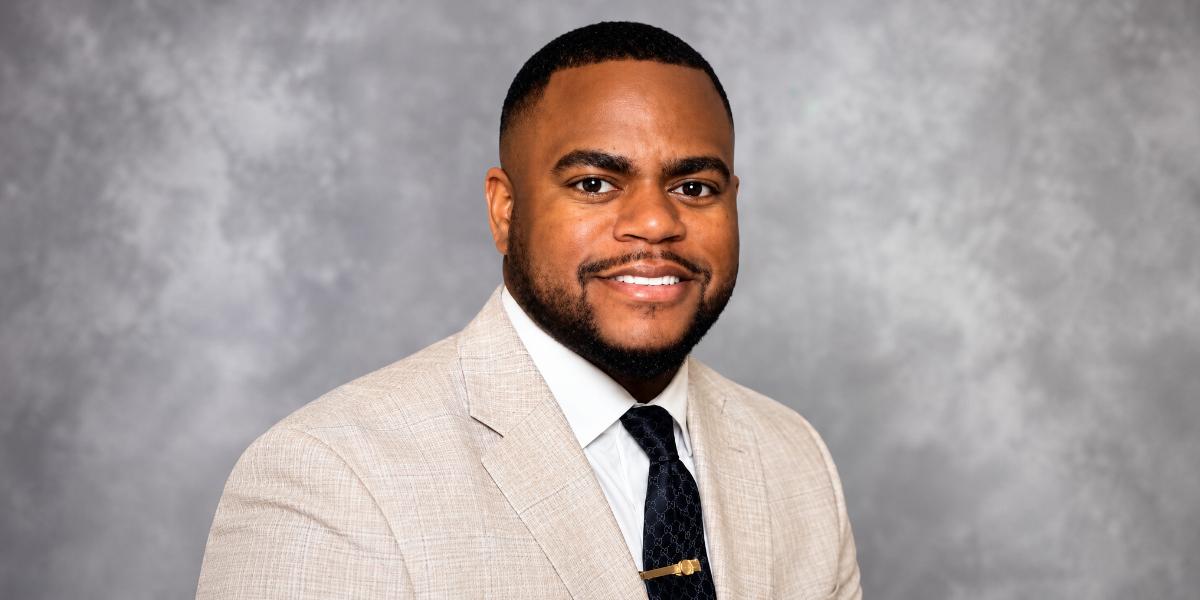
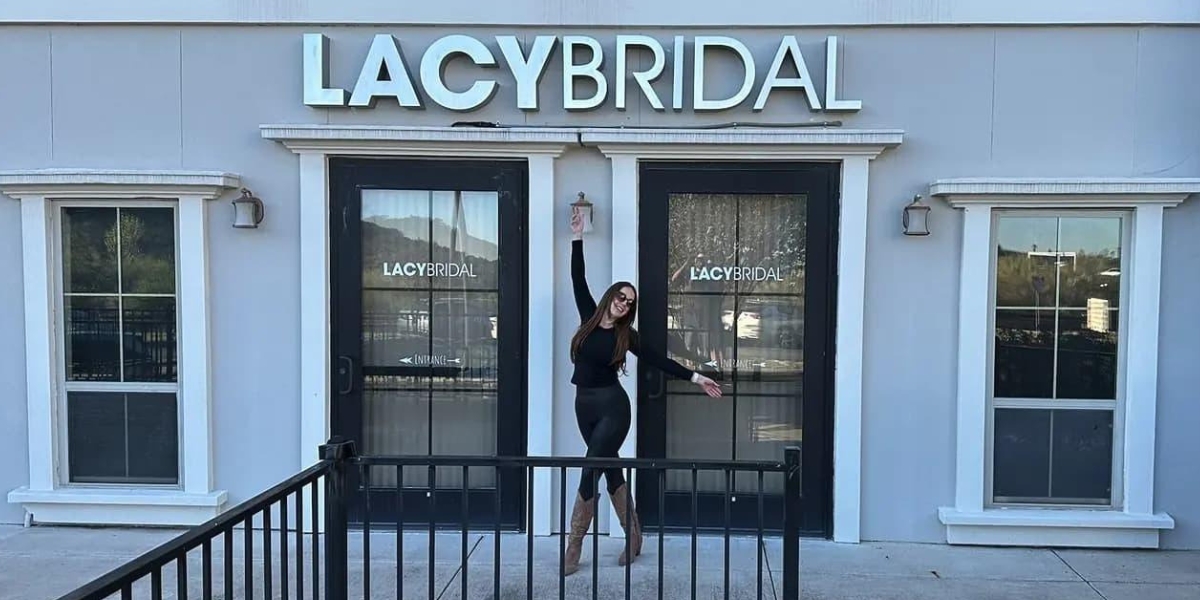
A notable example of this type of boutique is Lacy Bridal, a family-owned business located in San Antonio, Texas. The boutique was founded in 2025 and deals primarily in wedding dresses and accessories, with brides in the San Antonio area as the target customer. The owners are Lacy Ochs and Jonathan Ochs, a married couple who entered bridal retail based on their own experiences in the industry.
Before the launch of the boutique, Ochs worked in a local bridal shop in San Antonio. That experience exposed her to the day-to-day work of assisting brides during the process of selecting wedding dresses. In many bridal shops, consultants guide clients through racks of gowns while discussing fit, fabric, and style preferences. Ochs’ work in that setting introduced her to the logistical and emotional aspects of bridal retail. Over time, she developed an interest in creating a boutique environment where consultations could take place in a smaller and more focused setting.
That background shaped the concept behind the business. The founders envisioned a boutique that would operate through scheduled consultations rather than open retail browsing. In many appointment-based bridal stores, brides visit with a small group of family members or friends and work with a consultant during a dedicated fitting session. This format gives clients time to review dresses and discuss options with staff. The model also allows stores to maintain smaller inventories while focusing on direct service rather than high-traffic sales floors.
Inside the Boutique and Day-to-Day Operations
The physical store itself was developed under the direction of Ochs’ husband, Jonathan Ochs. He led the charge in creating the retail space, including helping shape the structure of the boutique. This included designing the flow of the showroom and creating dedicated areas for dresses, fittings, and consultations. In some bridal stores, these are designed in a way that allows brides and their parties to view dresses during fittings, which is also common in appointment-only stores and independent boutiques.
The founders divide responsibilities between client consultation and operational management during the day-to-day functions of the store. Ochs meets with brides during these consultations, helping them pick dresses, fitting dresses, and discussing styling possibilities. This is common among bridal consultants, helping brides weigh dresses against other factors, including venue, season, and style. The process of consultation can take several visits if alterations or other accessories are needed prior to the wedding.
Jonathan Ochs is responsible for managing the day-to-day activities of the store. This includes the logistics to ensure that everything is running smoothly, from the back-end setup to the infrastructure that supports all of these consultations. This is a common setup for many retail stores, where operations are included as part of the job description. This means managing the inventory, the scheduling system, as well as the vendors, all to ensure that all of these consultations go smoothly for the bride.
The growth of small bridal boutiques is a part of a general trend in how couples plan and shop for their weddings. While large bridal chains still abound in the U.S., small bridal boutiques maintain a strong presence in regional areas.
In all this, bridal boutiques such as Lacy Bridal reflect a localized approach to serving brides. The boutique operates in the broader wedding retail environment while still carrying the characteristics of a small family-owned business. The appointment system is a characteristic that many independent bridal boutiques use. The boutique operates in a segment that highly values client-consultant interactions.