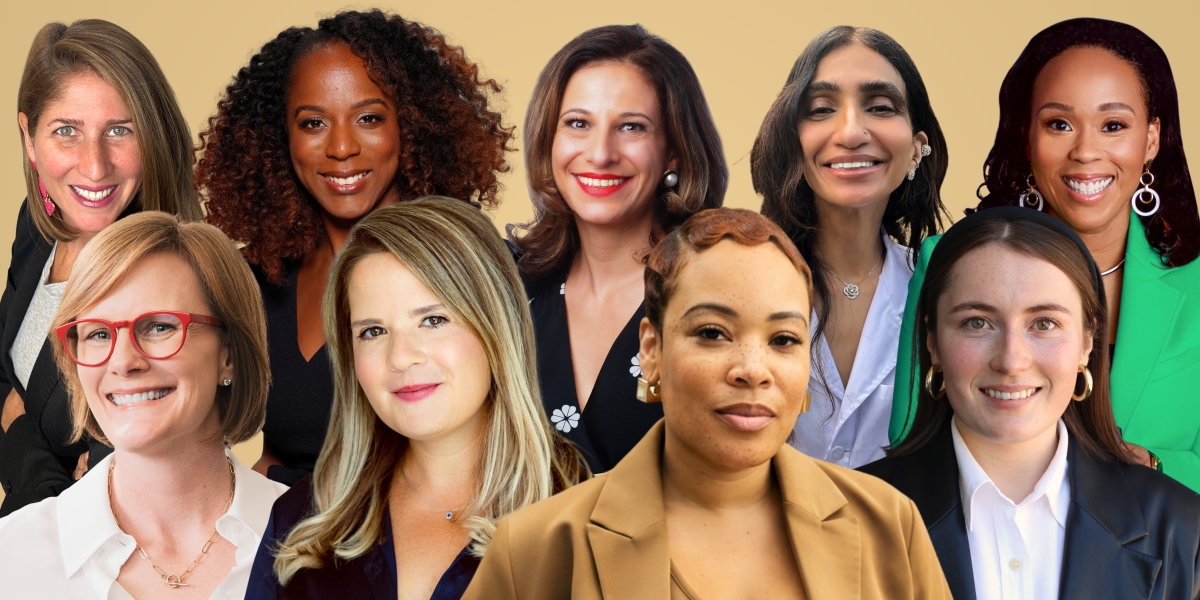

By: Gesche Haas – Founder and CEO of Dreamers & Doers, a curated community and PR Hype Machine™ for women entrepreneurs.
If marketing doesn’t seem to be working, a founder might be tempted to simply throw more strategies at the problem. More campaigns! More platforms! More tactics! This approach is expensive and resource-intensive, and might not even address the core issue driving the marketing frustrations that most leaders are currently experiencing.
Members of the Dreamers & Doers community have been through the marketing gauntlet themselves, and they’ve found success beyond simply trying more things. Their wins have come from clarifying who they serve and sharing how what they do is different from the competition. Here, they break down some of their most important lessons about effective marketing and positioning.
Positioning Is Strategy, Not Distribution
“Early on in my career, I treated marketing like distribution instead of strategy,” says Amanda Northcutt, founder and CEO of Level Up Creators. “Once I clarified exactly who we serve, what problem we solve, and what makes the approach structurally different, everything changed. Sales cycles shortened, referrals increased and marketing became simpler because the message was precise instead of broad.”
For founder of Seasoned Moments Michal Levison, this was an important internal lesson for the whole company.
“Once I recognized that the gap wasn’t effort but clarity, I shifted from chasing tactics to defining positioning,” Levison says. “Instead of trying to appeal to everyone, I narrowed the focus and built consistency across marketing, sales and product decisions.”
If you don’t define your brand intentionally, the market will do it for you, and founders who realize they have a positioning issue must next narrow their focus.
Clarity Starts With Choosing a Specific Audience
Big-picture marketing tactics might feel rich with potential, but painting with broad strokes almost always gets messy. Lisa Friscia, president of Franca Consulting, once had to admit that she was marketing to too many potential customers. She stepped back to reflect on the work she found most energizing and honed in on the clients who’d engaged her in it.
“Once I centered them in my messaging, the right clients found me faster and the work became more aligned,” Friscia says.
Choosing a more specific audience was also a turning point for Fans in Focus.
“I faced challenges communicating the importance of community engagement to the average mission-driven organization,” says founder and lead strategist Folake Dosu. “Once I recognized nonprofits and foundations with narrative change as a core focus, I shifted all my energy to this space and my pipeline has grown tremendously.”
Companies with a product to present have experienced similar wins. When, for example, pharmacist Amber Chaudhry founded Noori Skincare, she initially underestimated how powerful it would be to position her line more precisely for teens and tweens. Clarifying that her message was most meaningful to younger audiences, and their parents, transformed Noori’s marketing.
“Noori could have moved faster if the positioning had been sharp from day one,” she says.
Simplicity Makes Positioning Work
Combine a clear sense of the audience with a simple message and you’ve got a fantastic formula for powerful marketing. Bea Bennett, CEO of Liquid Collagen Stix, has distilled messaging for her brand into four key components: why the target audience needs it, how they consume it, when they should use it and what positive changes they can anticipate as a result.
“Once I developed clear, short and engaging statements around these four areas, our audience understood what the product and brand was trying to achieve,” Bennett says.
In order to determine the most effective language for Relatable Nonprofit‘s marketing strategy, co-founder Catalina Parker led one-on-one calls with engaged leads who hadn’t quite purchased yet, using the time to pressure-test language, priorities and potential objections. They also ran a broader survey.
“We used that data to overhaul our positioning and messaging across our website and social channels,” Parker says. “The same offer started converting faster because the connection between the problem and solution was finally obvious.”
Charmaine Green-Forde, founder and CEO of Chapter tOO, also relies on this kind of concise, clear marketing that makes problems and solutions obvious to potential customers.
“I anchored the business around clear, ownable positioning and clarified the language across every touchpoint,” she says. “Instead of listing services, I articulated the core problem and the distinct lens I bring. As a result, messaging became cohesive, referrals sharpened and client alignment improved quickly.”
Positioning Evolves As the Vision Grows
Smart brands, and the teams that work on them, don’t find the first version of effective positioning and walk away. Sometimes, the message must change to match the company’s real direction.
“I started with a brand that reflected where I was, not where I was going,” says Charney Robinson-Williams, founder of Noire Impact. “As my work expanded, I realized the name was shrinking the vision. Rebranding forced me to define my lane. Almost immediately, the work shifted from transactional projects to strategic, long-term partnerships.”
All individuals featured in this article are members of Dreamers & Doers, a community for women entrepreneurs.