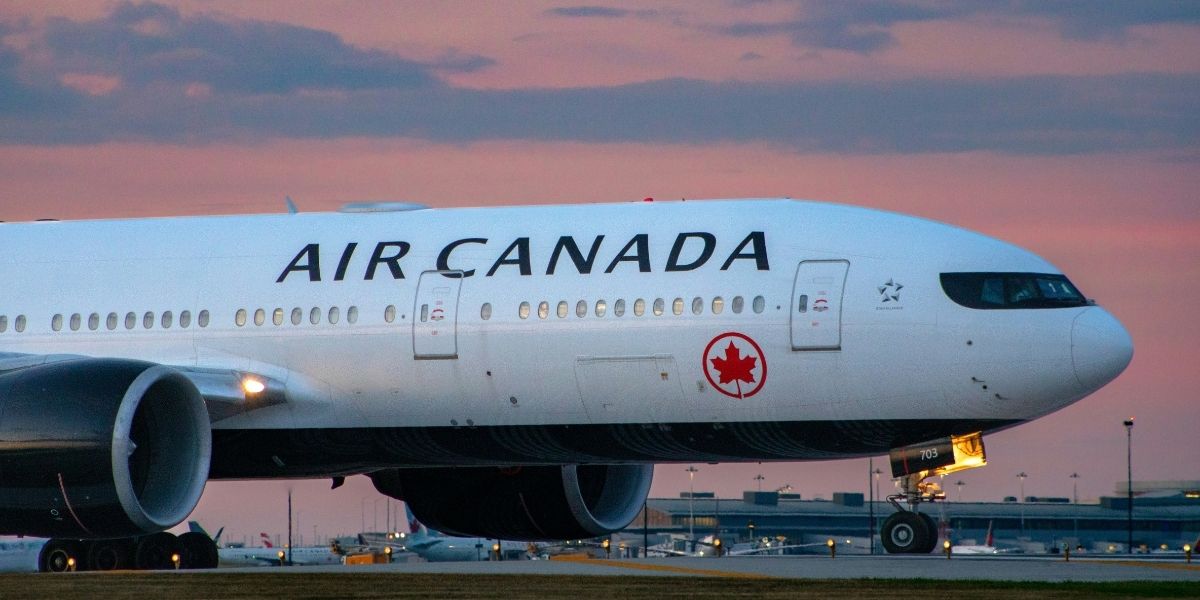

Air Canada announced on March 30, 2026, that President and Chief Executive Officer Michael Rousseau will retire by the end of the third quarter. The company indicated that succession planning had been in progress for an extended period, with a formal external search process initiated earlier in the year.
According to the company’s statement, the transition follows an established internal planning framework designed to support continuity in leadership. The announcement outlined that the board of directors had been preparing for a leadership change over time, rather than presenting it as an immediate or unexpected shift.
The defined timeline allows for a structured transition period, during which leadership responsibilities can be gradually transferred. This approach is commonly used in large organizations to maintain operational consistency while identifying and onboarding a successor.
Air Canada Communication Practices Noted Following March 2026 Event
Air Canada’s leadership communication drew public attention following a March 2026 incident involving an Air Canada Express flight near LaGuardia Airport. The event prompted national coverage and statements from company leadership.
In the immediate aftermath, the chief executive issued a condolence message in English. Public officials and stakeholders noted the absence of a French-language message, referencing Canada’s bilingual framework and Air Canada’s obligations under federal language requirements.
The discussion that followed focused on language use in official communications, particularly for organizations that operate at a national level. Public statements from government representatives emphasized the importance of reflecting both official languages in communications tied to significant events.
Air Canada did not state that the leadership transition was directly related to this issue. The company maintained that succession planning had already been underway prior to the incident.
Air Canada Leadership Transition and Stakeholder Awareness
Leadership transitions within major airlines are typically observed by a range of stakeholders, including employees, customers, and market participants.
For employees, changes in executive leadership may signal adjustments in organizational priorities or operational focus. Airlines operate with large, distributed workforces, making internal communication an important factor during leadership changes.
Market activity surrounding leadership announcements can also reflect short-term reactions. Following the announcement of the CEO’s retirement, Air Canada’s share price experienced modest movement before stabilizing, consistent with typical market responses to executive transitions.
Customer perception is another consideration in the aviation sector, where service reliability and safety remain central to public confidence. Leadership visibility during significant events can influence how organizations are perceived, particularly when communication is part of the response.
Air Canada CEO Exit Occurs Amid Ongoing Industry Conditions
The Air Canada leadership transition is taking place within a broader aviation environment characterized by operational and economic considerations.
Airlines continue to manage cost structures influenced by fuel pricing, workforce agreements, and fleet operations. Labor-related developments in Canada have also contributed to ongoing discussions about workforce conditions within the sector.
Passenger demand remains active, with airlines adjusting capacity and routes in response to changing travel patterns. At the same time, carriers are maintaining long-term planning initiatives, including environmental targets and operational efficiency measures.
Air Canada has outlined sustainability objectives aligned with industry frameworks, including longer-term emissions reduction goals. These initiatives form part of the strategic context in which new leadership will operate.
Within this environment, leadership continuity and planning processes are typically viewed as components of operational stability.
Air Canada Succession Planning Reflects Structured Approach
Air Canada stated that its succession planning process had been underway for more than two years prior to the announcement. The board initiated an external search in early 2026, indicating a combination of internal and external candidate evaluation.
The transition timeline provides an opportunity for overlap between outgoing and incoming leadership, supporting knowledge transfer and continuity. This structured approach is consistent with governance practices commonly observed in large public companies.
The company has not yet announced a successor. The selection process is expected to consider operational experience, industry knowledge, and alignment with the airline’s strategic priorities.
Air Canada’s communication regarding the transition has focused on continuity and planning, rather than positioning the change as a response to a single event.
Air Canada CEO Exit Brings Focus to Leadership Communication Practices
The Air Canada CEO exit has drawn attention to communication practices within executive leadership, particularly in situations involving public visibility.
Airlines operate in environments where operational events can receive immediate and widespread attention. In such cases, leadership communication becomes a primary method for conveying information to stakeholders.
The March 2026 event highlighted how communication choices, including language use, can become part of broader public discussion. This reflects the role of communication in meeting regulatory expectations and stakeholder awareness.
For Air Canada, the transition period provides an opportunity to maintain consistent messaging while continuing operational activities. Communication practices are expected to remain aligned with regulatory requirements and organizational standards.
Air Canada Leadership Transition Moves Forward in 2026
Air Canada’s leadership transition is set to continue through the third quarter of 2026, with succession planning processes already in place.
The company has emphasized continuity in its operations and strategic direction during this period. The defined timeline allows for a gradual transition, supporting stability across organizational functions.
As the process advances, attention is expected to remain on both the selection of a successor and the company’s ongoing communication with stakeholders.
The development represents a scheduled leadership change within a large national carrier, taking place alongside broader industry conditions and operational considerations.