
By: Vanilla Heart Publishing
Online communities have been among the defining features of the digital age. This is through social networks, forums, and platforms that promote content sharing; likewise, how individuals communicate, learn, and collaborate across borders has changed. In the last ten years, creators, educators, and businesses have increasingly sought spaces that provide not just visibility, but also closer interaction with their communities. The rise of subscription-based and membership-driven platforms reflects a shift in digital priorities toward meaningful interaction, sustained learning, and personal connection, which are valued far more than mere metrics of reach. Amid these changes, several technology companies have emerged, offering tools designed to foster more intentional online engagement.
Circle, an American technology company, entered this environment in 2019, positioning itself as a platform for helping creators and businesses build and manage online communities. The founders were Sid Yadav, Rudy Santino, and Andrew Guttormson, all of whom were from Teachable, an online education platform. Yadav was the Vice President of Product at Teachable, while Guttormson was the Vice President of Growth and Marketing.
Since its founding, Circle has placed a strong focus on human connection and intentional community design. The platform has been designed to nurture interaction beyond superficial engagement. It’s not purely a broadcast channel; instead, Circle’s design philosophy embeds features to support discussion forums, cohort-based learning, real-time chat, and membership-driven monetization. The founders wanted to equip creators with tools that would enable audiences to interact meaningfully with content, with one another, and with the creators themselves. According to Circle’s 2026 Community Trends Report, 67 percent of surveyed community builders said members join or stay because of shared identity and values, underlining that belonging and shared values have become more influential in how online communities grow and persist.
The beta period was also vital for Circle’s development before launch as it allowed the company to gather feedback and improve the platform with input from its early users, connecting feedback from both Pat Flynn, creator of Smart Passive Income, and Anne-Laure Le Cunff, founder of Ness Labs, providing validation for the demand of a unified platform that offered community management, monetization, and educational tools. By the time Circle officially launched to the public in August 2020, it had built a strong foundation of creators and educators running course-, community-, and event-based businesses and having conversations through interactive discussion forums on the platform.
In August 2020, Circle raised $1.5 million in seed funding, led by Notation Capital and including Ankur Nagpal, who founded Teachable, among other investors. The company raised an additional $4 million in a subsequent seed round in February 2021, again led by Notation Capital, with support from several technology entrepreneurs. By December 2021, Circle would add $25 million to its books through a funding round led by Tiger Global Management, which valued the company at approximately $200 million. Such financial signposts provided resources for product development, headcount growth, and broader market adoption.
Currently, the platform offers discussion forums for structured conversations, tools for building and delivering courses, hosting capabilities for live sessions, real-time chat, branded website builders, and integrated payment systems. It also integrates AI workflows and AI Agents to support moderation and deliver personalized member experiences. The platform remains flexible, allowing creators to make their community’s branding and user experience unique without losing control over content and member engagement.
Notable creators and organizations foster adoption, helping solidify Circle’s position in the creator economy. Luminaries and users include Tim Ferriss, Mel Robbins, Ali Abdaal, Dr. Becky from GoodInside, SpaceX, and Harvard University. The platform has been integrated into strategies for smaller creators and educators looking to establish paid memberships, host cohort-based courses, and foster peer-to-peer learning. These varied applications demonstrate Circle’s versatility in supporting both individual creators and larger institutional clients.
The company’s founding philosophy has influenced a much larger conversation about online communities. In its focus on belonging, transformation, and intentional interaction, Circle reflects the growing awareness among digital businesses that truly sustainable engagement requires more than either reach or attention metrics. Indeed, according to the company’s 2026 Community Trends Report, creators and community builders increasingly care about emotional safety, shared identity, and members’ personal transformation, not rapid growth. These trends reflect a shift toward designing online spaces as purposeful and user-centric, rather than focused purely on scale.
Early development, funding, and adoption of Circle by recognized creators provide a fundamental digital context in which its influence can be understood to take shape. The platform has grown rapidly while retaining community-centric principles at its core, enabling creators and businesses alike to build independent, branded environments for engagement. Combining functional tools with a flexible interface and an emphasis on human connection, Circle exemplifies a category of technology companies that bridge content creation, education, and social interaction within one ecosystem.
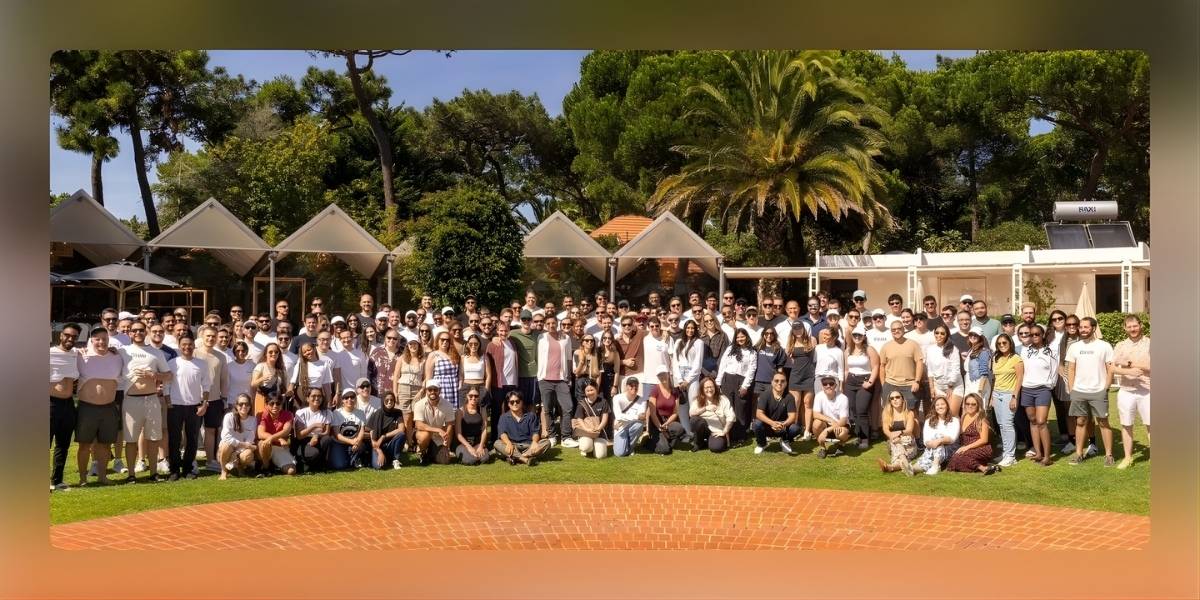
As of late 2025, Circle’s headquarters is located in New York City, and its team has exceeded 200 employees. The company continues to use a subscription-based SaaS model with tiered pricing (monthly or yearly) and complimentary trial access to its services. The leadership team of Yadav, Santino, and Guttormson continues to curate the evolution of the Circle platform through research-driven insights, fast-paced product innovation, and community design principles that meet the needs of increasingly advanced digital creators and organizations.
Essentially, Circle is a technology-driven response to growing demand for a controlled, interactive, and intentional online community experience. Since its inception in 2019, the platform has integrated community management, education, and monetization into a single platform.
Disclaimer: This article is for informational and editorial purposes only. The information referenced from Circle’s 2026 Community Trends Report is based on publicly available research, survey responses, and commentary from industry participants.