
By: Zach Miller
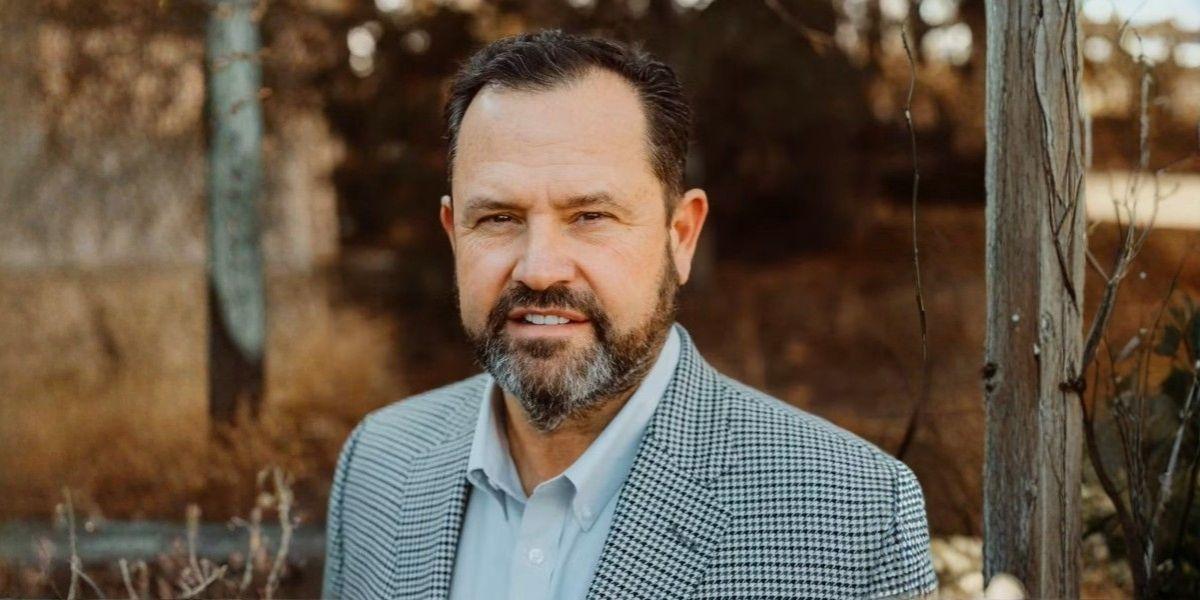
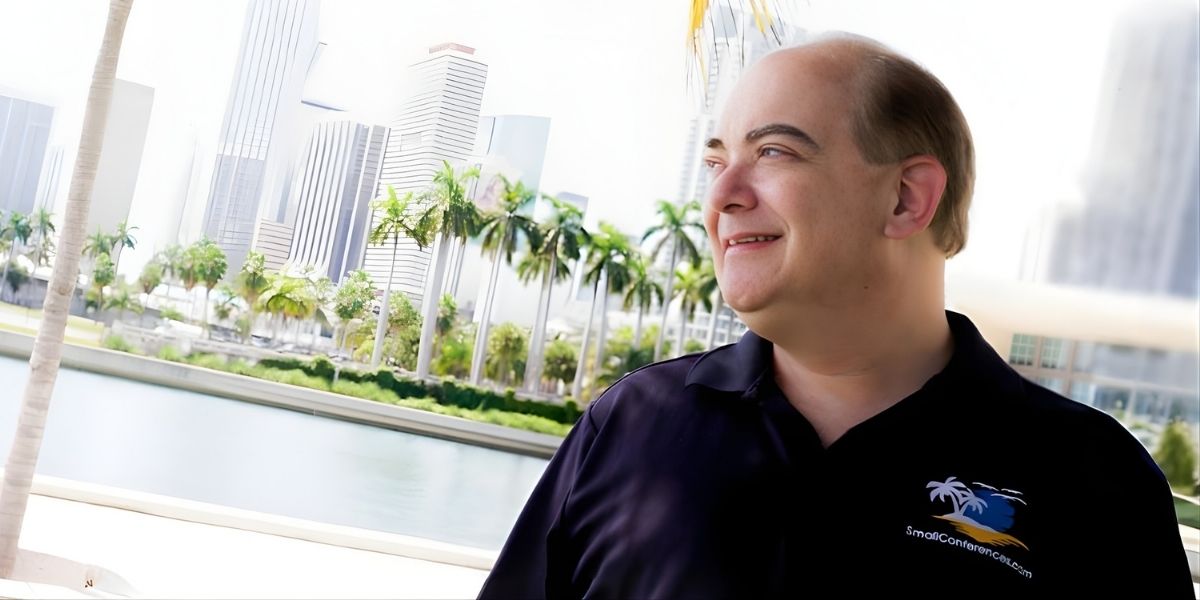
Robert Kraus, founder of PopUpsByDesign.com and SmallConferences.com, is a pioneer in the “phygital” landscape, bridging the gap between digital convenience and physical experience. Kraus isn’t just looking for a venue; he’s looking for a revolution. He is leading the charge away from the tired, beige carpets of traditional hotel ballrooms and into the “white-box” spaces that define the Phygital era. For Kraus, the death of the ballroom isn’t just about aesthetics; it’s about replacing static, ‘closed’ environments with dynamic, blank canvases designed to be shared, streamed, and experienced both in person and online.
Kraus has over 20 years of event-planning expertise and 15 years of experience in retail and wholesale merchandising. He has produced over 250 high-impact gatherings for groups of 25 to 2,500. His unique ability to find “hidden gem” properties and apply high-performance retail strategies to any sector, from nonprofit galas to brand activations, has earned him features in USA Today, NonProfit PRO, and on The Today Show. Robert believes that in 2026, the most innovative organizations must show up where their customers live, breathe, and play. In this interview, he explores white-box spaces, pop-ups, and why the future of events no longer fits inside a traditional ballroom.
Q1. Robert, what moment or insight inspired you to launch PopUpsByDesign.com, and how did your experience in event planning and retail translate into a vision for a commission-free, white-box-centric pop-up service?
Robert Kraus: I realized that the old methods in the event planning industry had lost steam, so I came up with a brilliant plan: why not turn white-box spaces into high-impact pop-up experiences? Every industry has a point where old methods don’t work anymore. Event planning hit that moment years ago. Venues grew repetitive, costs climbed, and flexibility faded.
I knew a new need was growing. My clients wanted more daring concepts. They wanted non-traditional spaces to experiment. They wanted freedom from hotel ballrooms, convention centers, and banquet halls. Some wanted a blank layout to match their branding. Others needed several days, not just a few hours. Something had to change! The problem is that these venues are very short-term-focused… plus, quite frankly, they can be boring!
So… PopUpsByDesign.com was born! My mission is to redefine how my clients inhabit physical space. I believe that the most memorable experiences are born from the unexpected, and our brand story is built on the transformation of the “blank canvas.”
Every great activation starts with a foundation: a “white-box” space. I specialize in sourcing raw, vacant retail storefronts, industrial shells, and unconventional locations that serve as a physical “box” for my client’s vision. I find the perfect shell that provides the flexibility to build a custom world from the ground up.
Thus, my logo is a visual representation of that metamorphosis. The minimalist 3D box represents the raw space (the ugly caterpillar), while the colorful burst erupting from the top signifies the moment of activation (turning into the beautiful butterfly). This is where experimental pop-up events come to life, turning a static location into a dynamic destination. I don’t just find a room; I curate the spark that fills it.
Q2. PopUpsByDesign.com operates commission-free and works directly with property owners and managers. How does this model help your clients secure better venue options compared to traditional commercial brokers?
Robert Kraus: I leverage an extensive network of property professionals developed over 20 years in event planning, plus almost 15 years in retail and wholesale merchandising. These relationships provide access to affordable hidden pop-up gems. By building direct relationships with property owners and managers, I have access to empty white-box spaces nationwide, often properties that traditional brokers overlook.
My network helps me keep track of available spaces that are move-in ready with working electricity, water, HVAC, and other utilities necessary for immediate use. This network creates a competitive advantage. While commercial brokers wait for public listings, I receive early notification when spaces become available, giving clients first opportunities before general market awareness.
My direct relationships eliminate middleman costs, facilitate better communication about client needs and property capabilities, and allow flexibility in lease terms. Standard commercial leases designed for long-term retail tenants may not fit pop-up requirements. Working directly with owners enables customized agreements matching short-term needs.
My commission-free business model creates a value proposition that commercial brokers cannot match. I save my clients substantial amounts on rent while providing better service than brokers who are uninterested in short-term clients. My fiduciary responsibilities lie in finding my clients the best value, not in maximizing property owners’ revenues. This keeps budgets under control, saving my clients up to 38% compared to standard planners or brokers.
Q3. Pop-ups themselves are increasingly used by brands to create buzz, test ideas, and engage customers in ways that long-term retail cannot. How do you help clients identify the right type of pop-up activation for their goals and audiences?
Robert Kraus: That is a great question. I look for a “strategic fit,” not just a vacant space. I identify the right activation by following a proven framework that I’ve developed over the last 20+ years of event design that aligns my client’s vision, plus their key stakeholders, with the physical environment.
To ensure success, I start with the first two phases of my Pop-Up Success Checklist:
First is “Strategy”: Defining the “Why” and “Who”
I dive into my client’s goals. Are they looking for direct sales, or is this a “Retailtainment” play to build brand awareness? I help them identify their “tribe,” the specific audience they want to reach. This helps define the key stakeholders and demographics.
I then help my client determine if a product launch, a designer sample sale, or an immersive brand activation is the best vehicle for their KPIs. I then help establish how success will be measured, whether through foot traffic, social media impressions, or new customer acquisitions.
Second is “Location”: Mapping the “Where”
Once the strategy is set, I move to the most critical physical step: finding the perfect white-box space. This is where my specialty comes in. I analyze potential locations based on three things:
First, “Demographic Synergy”: Does the neighborhood’s foot traffic match the target audience’s profile?
Then, “Space Functionality”: I verify that the “white-box” space is truly move-in-ready, with the necessary HVAC, lighting, and aesthetics.
Finally, “Visibility & Traffic”: I look for locations that offer high organic discovery to maximize ROI.
By starting with these two pillars (Strategy and Location), I remove the guesswork. You can see the full breakdown of how I manage these steps on our Pop-Up Success Checklist here.
Q4. You mention the story of your logo above: “transformation of the blank canvas” and “turning a static location into a dynamic destination.” Can you expand with some examples of the types of spaces that can be turned into memorable activations, along with your thinking behind what makes these successful?
Robert Kraus: At PopUpsByDesign.com, I believe the environment is just as important as the activation itself. Moving beyond the traditional ballroom or conference center allows one to create a “discovery” moment for their audience.
When clients ask how to turn unconventional spaces into memorable experiences, here is how I categorize those opportunities and the “secret sauce” that makes them successful.
First, “Architectural Juxtaposition” aka the “Unexpected” Factor:
I think one of the most powerful ways to create a memory is to place an activity in a setting that offers a sharp contrast to its nature.
An example would be hosting a Wellness & Yoga Event in an Empty Church. Think about how the soaring ceilings and stained glass of a church naturally inspire a sense of peace and reflection. By utilizing a sacred space for wellness, I lean into the existing “energy” of the building to enhance the experience. It feels more intentional and profound than a standard gym setting.
Second, “Raw Industrial Grit” vs. “High-End Content”:
I love Industrial spaces; they provide a “blank canvas” with character. They allow the aesthetic to stand out against a textured, gritty background.
Think about An Art Gallery in an Old Garage. I love these spaces because they strip away the “stiffness” of a traditional museum. The raw concrete, bricks, and industrial lighting make the art the undisputed stars. This “found space” vibe makes attendees feel like they are part of an exclusive, underground “insider” event.
Next, “Elevating the Everyday”:
I find success often comes from taking a familiar environment and flipping the perspective, either by moving it to the sky or placing it in the middle of a daily routine.
Imagine a Technology Fair inside a Lobby Atrium of an Office Building. This type of activation captures “passive” foot traffic, turning a mundane commute into a moment of surprise and delight. Success here is driven by convenience meeting creativity.
Finally, “Historic Grandeur for Modern Prestige”:
I believe using a space with a “past life” gives my client’s events an immediate sense of weight and importance.
Envision an Annual Gala in an Old Bank Building. These older banks often feature marble, vaults, and intricate stonework that suggest security and luxury. This built-in “expensive” atmosphere does the heavy lifting for my client’s decor budget, providing a sophisticated backdrop that guests will spend the whole night photographing.
So, what makes these transformations successful? In my opinion, there are three elements that must align:
The “Narrative”: The space must tell the same story as the brand.
The “Instagrammability”: In the digital age, a space is successful if it provides a unique backdrop that guests can’t find anywhere else.
And the “Strategic Logistics”: The most successful events use “white-box” spaces because they offer the flexibility to build a custom world from scratch without the constraints of more traditional venues like hotels.
I tell my clients that by choosing an unconventional venue, they aren’t just renting a room; they are providing a conversation starter!
Q5. Finally, what trends or opportunities do you see shaping the future of pop-up and temporary event spaces, and how is PopUpsByDesign.com positioning itself to help brands leverage those trends?
Robert Kraus: In an era of digital noise, I focus on the “phygital” trend, blending physical environments with digital-ready experiences that stop traffic and start conversations. Success is found in the marriage of the setting and the event.
I match my clients with spaces that help tell their specific story. By specializing in finding unique locations, I ensure every attendee feels they have stumbled upon an exclusive “insider” discovery. My focus on “white-box” spaces allows for total creative control.
Bottom line: PopUpsByDesign.com is here to help events move beyond the traditional ballroom and into a space that truly pops.
In Summary
White-box spaces give brands room to breathe. They invite risk, play, and surprise, turning guests into participants and moments into memories worth sharing. This is why Robert Kraus challenges how people think about space. He asks why events still look the same. According to him, creativity is confined to traditional ballrooms, and the future of modern events cannot remain there. The Phygital world is ready for dynamic, blank canvases that can be experienced online and in person.