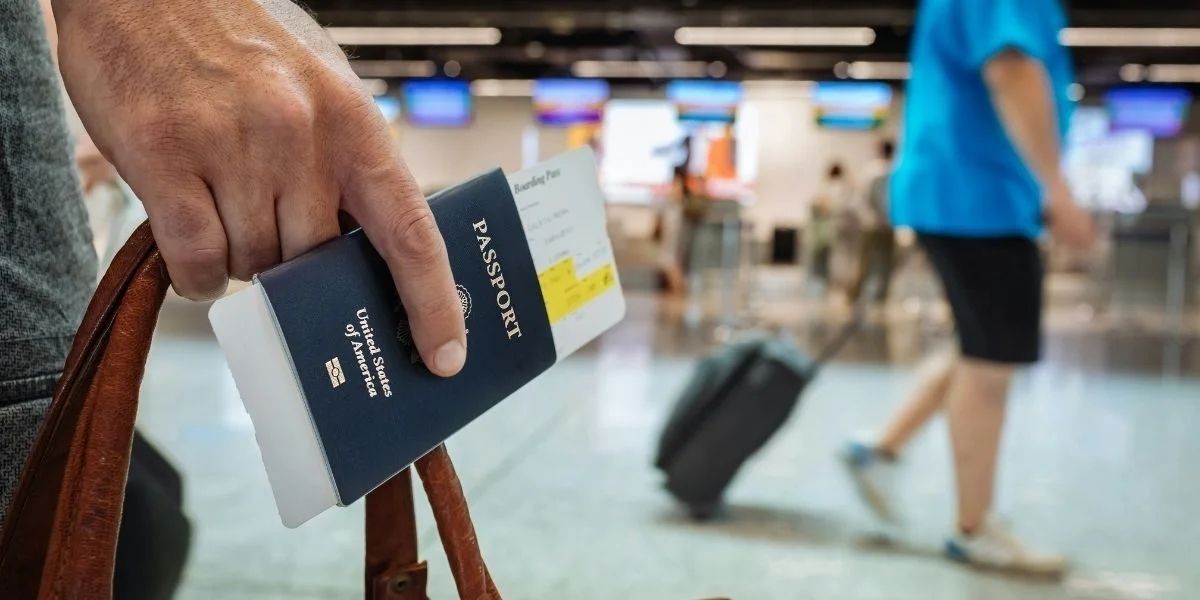

The U.S. government has recently announced a significant expansion of its travel ban, adding seven more countries to the list of nations facing full entry restrictions. This move is part of an ongoing effort to address national security concerns, with countries such as Syria, Mali, Niger, Burkina Faso, South Sudan, Laos, and Sierra Leone now subject to complete entry suspensions. While this expansion may appear as a routine policy shift, it reflects an evolving approach to border security and the protection of U.S. interests.
This new restriction is set to take effect in early 2026, marking one of the most comprehensive updates to the U.S. travel policy in recent years. The decision to extend the ban comes amid concerns about weak vetting systems in these countries, which officials argue have made it difficult to thoroughly screen travelers. The underlying aim of these measures is to prevent national security risks posed by individuals entering the U.S. from countries with limited information-sharing capabilities and heightened extremist activity.
This expansion will have immediate and far-reaching effects, not only on individuals seeking entry but also on international travel patterns. The suspension of entry for citizens from these newly added nations will affect everything from business trips and family reunifications to academic opportunities. As a result, many observers are now questioning how such restrictions might reshape migration flows, global diplomacy, and long-term travel strategies.
Security Concerns and the Rationale Behind the Travel Ban
The expansion of the U.S. travel ban stems from growing security concerns regarding vetting capabilities in several countries. Inconsistent civil records and limited cooperation between national governments and international law enforcement agencies have made it difficult to conduct thorough background checks. As a result, the U.S. has decided to act decisively, restricting travel from these countries until more reliable safeguards are established.
This decision is consistent with the long-standing emphasis on national security in U.S. entry policies. The U.S. has historically imposed restrictions on countries that pose similar vetting challenges, including concerns over terrorism, organized crime, and human trafficking. By adding more countries to the travel ban list, U.S. officials signal that they are increasingly cautious about the risks associated with border security and foreign nationals entering the country.
The rationale behind the decision also reflects broader international trends toward stricter border controls. As global threats evolve and new risks emerge, governments are reexamining their travel policies to ensure they can adequately protect their citizens. For the U.S., this expansion indicates a continued effort to tighten immigration and security controls to address the changing landscape of global threats. This decision, while controversial, aligns with an ongoing commitment to safeguard national interests.
Global Mobility and Diplomatic Relations at Stake
The expansion of the U.S. travel ban is poised to have significant implications for global mobility. Millions of people in the newly restricted countries may find their travel options limited or denied entirely, affecting family reunification, business connections, and educational exchanges. These restrictions disrupt international relationships, as citizens from these countries are no longer free to travel to the U.S. for various purposes, such as pursuing higher education or attending international conferences.
The diplomatic impact is also noteworthy. Countries added to the ban may view the decision as a setback in bilateral relations, potentially leading to retaliatory measures or decreased cooperation in areas such as trade, security, and diplomacy. For U.S. policymakers, managing the fallout from these travel restrictions will require careful balancing. The U.S. will need to navigate its relationship with these countries, as the travel ban could influence broader political, economic, and cultural interactions.
In the context of global mobility, these decisions will shape perceptions of the United States as a destination for education, tourism, and professional collaboration. As nations increasingly turn inward and tighten immigration policies, it becomes more crucial for the U.S. to strike a balance between security concerns and maintaining international goodwill. For global travelers and businesses, this will impact their long-term strategies and decisions regarding U.S. engagement.
Humanitarian Concerns and the Public Debate
As the U.S. expands its travel ban, humanitarian organizations are raising concerns about its impact on vulnerable populations. Refugees, asylum seekers, and families separated by borders could face even greater challenges in trying to find safety or reunite with loved ones. Many of these individuals are fleeing conflict zones or areas of instability, and travel restrictions can further limit their opportunities for a better life.
Critics of the expanded travel ban argue that the U.S. needs to reconsider its approach to entry restrictions, suggesting that while national security is important, humanitarian needs must also be considered. Refugees and migrants seeking asylum may find themselves in dire situations, unable to seek refuge in the U.S. due to entry bans. Furthermore, these policies could have a disproportionate impact on individuals who are most vulnerable to harm, such as those fleeing persecution or violence.
The ongoing public debate revolves around the balance between security and accessibility. While safety is a primary concern, it is equally important to ensure that human rights are not compromised by such policies. Critics argue for the creation of more tailored solutions, where security measures are carefully calibrated to protect the nation while allowing for greater flexibility in responding to humanitarian needs. This issue remains contentious and could shape future U.S. immigration and border security policies.
The Future of U.S. Entry Policies: What’s Next?
The future of U.S. entry policies remains uncertain, with questions about whether the U.S. will continue to expand its travel restrictions or shift toward a more flexible approach as security conditions improve. If the U.S. strengthens its vetting processes and enhances cooperation with global intelligence agencies, we may see some restrictions lifted or adjusted. However, concerns about terrorism, organized crime, and illegal immigration will likely keep entry policies tight for the foreseeable future.
As global risks continue to evolve, it’s likely that the U.S. will continue to reassess and refine its travel ban strategy. The criteria for inclusion in the ban may expand or contract based on global geopolitical shifts, emerging security threats, and changing international relations. Executives, policymakers, and global travelers will need to keep a close watch on these developments to understand the broader implications for trade, diplomacy, and people-to-people exchanges.
For individuals in the newly restricted countries, future travel to the U.S. could become an increasingly difficult prospect. If entry bans persist or even expand, these individuals may need to seek alternative pathways to migration, education, and business opportunities. The long-term impact of these changes on personal and professional mobility remains an open question. As the situation evolves, questions about fairness, security, and diplomatic strategy will continue to shape the debate on U.S. travel policy.