
The film script reading process is where the magic begins. Before the cameras roll, before the lights hit the stage, and before a single line is memorized, the script gets read—out loud, in full, and often with surprising intensity. In Los Angeles, where storytelling is currency and every table read could be the next breakout moment, decoding this process is essential for anyone trying to understand how a screenplay transforms into a living, breathing performance.
Script readings aren’t just technical checkpoints. They’re creative rituals. They reveal tone, rhythm, chemistry, and potential. They expose flaws, spark rewrites, and sometimes even shift casting decisions. Whether it’s a private read-through in a Burbank office or a public staged reading in West Hollywood, the process is layered, emotional, and deeply collaborative.
Script Reading Is a Performance Before the Performance
When actors sit down for a script reading, they’re not just reciting lines. They’re testing the waters. It’s the first time the story gets heard aloud, and that changes everything. Words that felt sharp on the page might fall flat in the room. Dialogue that seemed clunky might suddenly sing. And characters that felt distant might come alive with the right voice.
In LA, where casting directors and producers often attend readings to gauge chemistry, the stakes are real. A strong read can lock in a role. A weak one can send a script back to development. That’s why actors treat readings like auditions. They bring energy, nuance, and instinct—even if they’re holding the script in hand.
The process also gives writers a chance to hear their work in motion. It’s one thing to write a scene. It’s another to hear it land. That feedback loop is crucial, especially in a city where rewrites are part of the rhythm.
Table Reads Set the Tone for Production
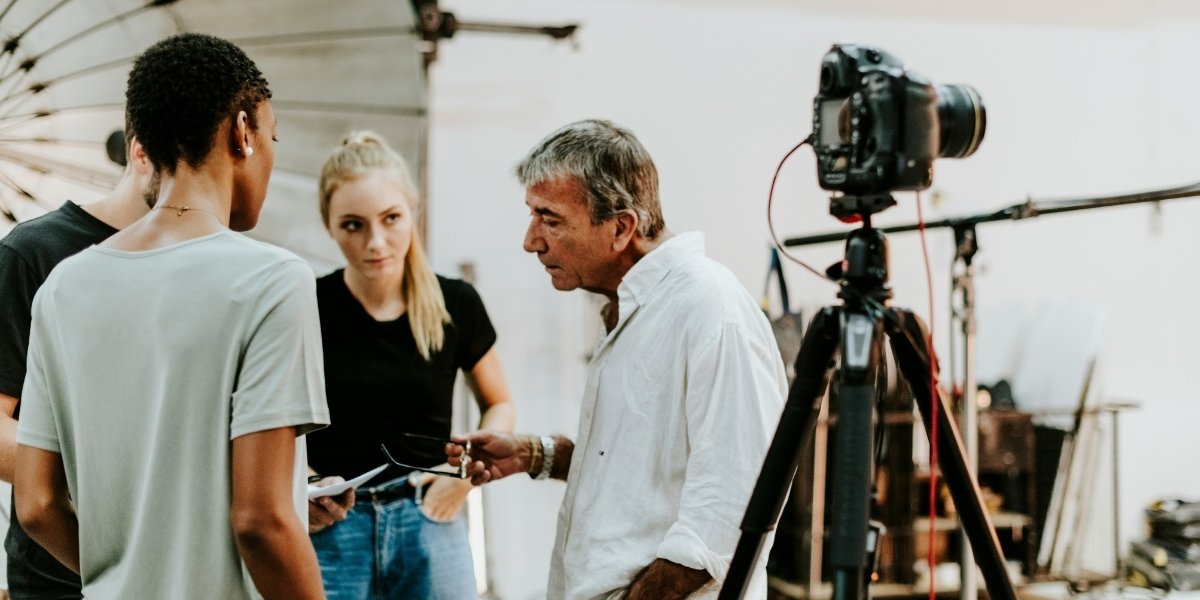
Table reads are the most common format for script readings. They’re usually held in conference rooms, rehearsal spaces, or production offices. Everyone sits around a table—actors, director, writer, producers—and reads the script from start to finish. No costumes, no blocking, just voices and pages.
This stripped-down setup is intentional. It removes distractions and focuses attention on the material. Does the pacing work? Are the jokes landing? Is the emotional arc clear? These are the questions that get answered in real time.
In LA’s fast-paced production cycle, table reads often happen just days before shooting begins. They’re a final gut check. If something feels off, it gets flagged. If something feels electric, it gets amplified. The read becomes a blueprint for the shoot.
Staged Readings Bring Scripts to Life for an Audience
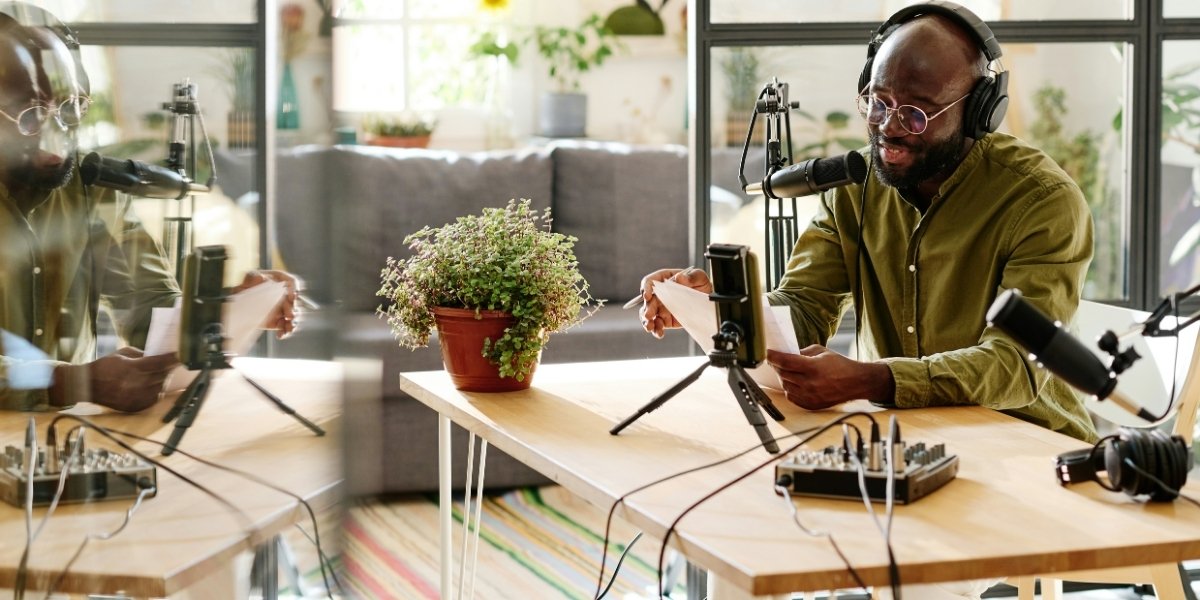
While table reads are internal, staged readings are public. They’re performed in front of an audience—usually industry insiders, potential investors, or festival programmers. Actors stand, move, and emote, but still hold the script. It’s a hybrid between rehearsal and performance.
Staged readings are common in LA’s indie film and theater scenes. They’re used to workshop new material, attract funding, or test audience reactions. For emerging writers, there’s a chance to showcase their voice. For actors, they’re a chance to flex range. And for producers, they’re a chance to gauge marketability.
These events often happen in intimate venues—black box theaters, art galleries, even rooftop spaces. The vibe is raw, experimental, and deeply LA. You’ll see scripts that challenge norms, push boundaries, and reflect the city’s diverse creative pulse.
Script Reading Is a Collaborative Refinement Process
The reading process isn’t just about performance—it’s about refinement. After the read, there’s usually a feedback session. Notes get shared. Edits get suggested. And the script evolves.
Directors might flag pacing issues. Actors might question motivation. Producers might suggest trimming scenes for budget. And writers? They listen, absorb, and decide what stays and what goes.
This collaborative energy is what makes LA’s creative ecosystem so dynamic. Everyone’s invested. Everyone’s opinion matters. And everyone’s working toward the same goal: making the story sing.
The process mirrors the energy seen in LAWire’s coverage of red carpet brand moments, where collaboration and chemistry shape the final product. Whether it’s a film, a fashion line, or a scripted series, the read-through is where vision meets reality.
Script Reading Reveals What the Page Can’t
Some scripts read beautifully but don’t perform well. Others look messy on paper but explode in the room. That’s why readings matter. They reveal what the page can’t.
Tone is one of the biggest revelations. A line that reads sarcastic might sound sincere. A scene that feels dramatic might play comedic. These shifts can change the entire trajectory of a project.
Readings also reveal rhythm. Does the dialogue flow? Do the transitions work? Is the story building momentum? These are questions that only get answered aloud.
In LA, where time is money and production schedules are tight, these insights are gold. They save time, prevent misfires, and sharpen the final product.
From Page to Stage Is a Journey of Discovery
The film script reading process isn’t a formality. It’s a discovery. It’s where stories get tested, voices get found, and characters get shaped. It’s where the page meets the stage—and where the real work begins.
In Los Angeles, where storytelling is both craft and commerce, decoding this process is essential. It’s not just about reading lines. It’s about reading the room, reading the rhythm, and reading the potential.
Whether you’re a writer, actor, director, or producer, the read-through is your first chance to hear the heartbeat of your story. And in a city built on stories, that heartbeat matters.