
By: Natalie Johnson
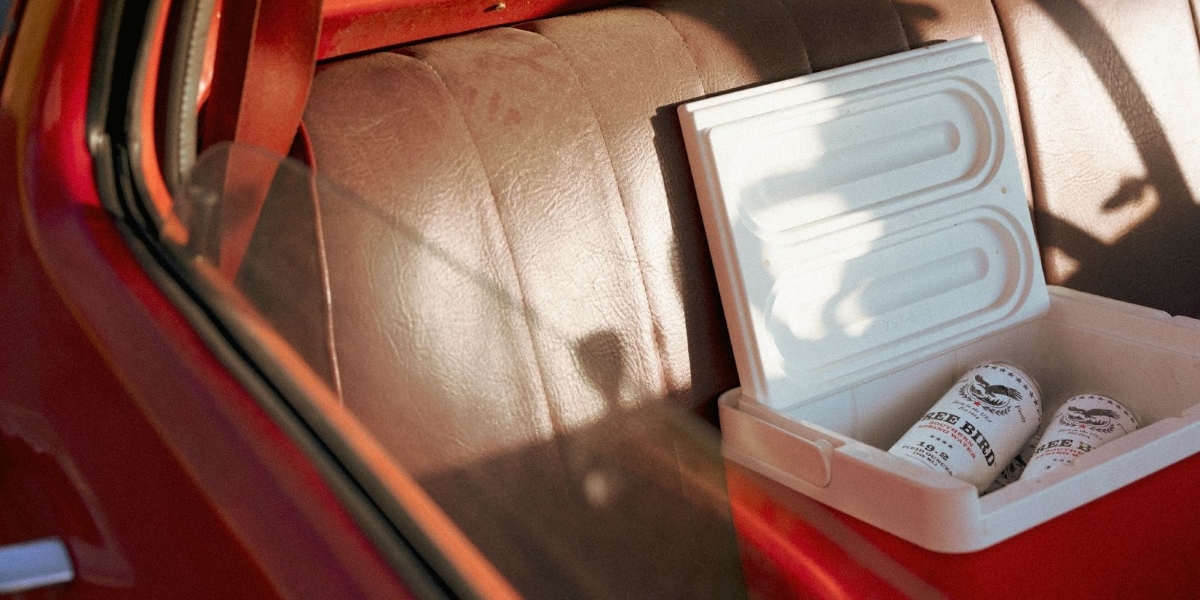
Free Bird didn’t start to sell water. It started to sell a feeling.
There are plenty of water brands out there preaching about electrolytes, alkalinity, and hydration hacks. That’s never been their thing. They’re not trying to change anyone’s lifestyle.
They’re just here to make cracking open a can of water feel damn good.
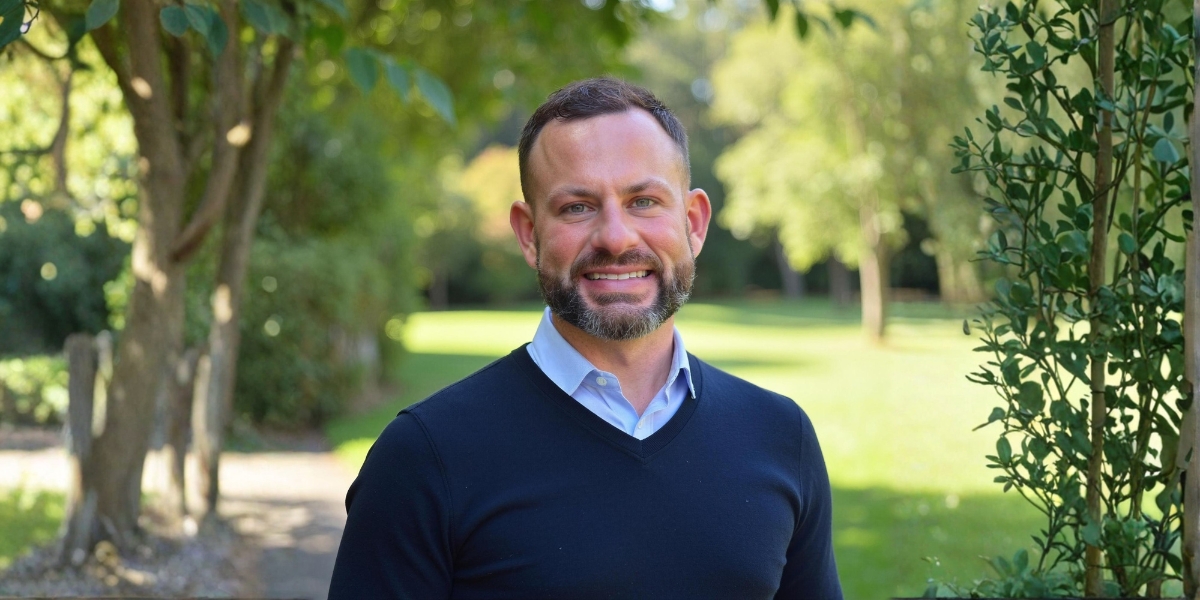
From the start, Jay Williams wasn’t thinking about water as a product; he was thinking about the kind of brand he’d actually want to carry around. Something that felt familiar but fresh.
More tailgate than yoga mat. More porch swing than Peloton.
Once Williams had that vision, everything else followed.
Inspiration Without Imitation
Williams had been watching the rise of brand-first products for a while.
That got him thinking: what kind of statement would he want to make?
It wasn’t skulls or shock value. It was something a little more grounded. A little more southern hospitality.
Something his wife wouldn’t mind carrying, and something his mom might enjoy. That’s when the idea for Free Bird really started to take shape, not as a competitor, but as an alternative.
Something bold, sure, but with a different kind of edge.
That’s the lesson. One can be inspired by what’s working without becoming a copy of it. Founders can study their competitors and still carve out their own lane.
In fact, they have to.
Make It Personal or Don’t Bother
The last thing the world needs is another copy-paste brand. If a brand doesn’t feel personal, it won’t feel real. And if it doesn’t feel real, people won’t connect with it.
That’s what the Free Bird team kept coming back to as they built the brand.
They weren’t here to outdo anyone. They were here to create something that felt honest, something that fit into real life without trying too hard.
Their cans don’t scream health claims. They don’t push some made-up philosophy. They just say: drink freely.
And when it came to sustainability, they didn’t make a marketing campaign out of it. They just chose aluminum because it felt right for the brand, for the planet, and for the kind of company they want to build.
There’s no need to shout about values if they are actually lived by.
A Word for Founders
For those building something of their own, it’s important not to underestimate the power of how a product makes people feel.
Features are easy to copy. Brand is not.
Packaging, voice, values, these things aren’t window dressing. They’re identity. They shouldn’t be treated like a layer added later. That’s where to start.
If Jay Williams had to do it all over again, he’d give every founder this advice: Start with a feeling, not a spreadsheet.
Picture the moment someone reaches for the product. What are they doing? How should they feel? Once that’s clear, build everything else around it.
Before worrying about marketing or margins, ask: Would I use this? Would the people I care about? What would make it feel like it belongs in their day, not just on a shelf?
That’s how a brand carves out its space. That’s how something gets built that sticks.
Because at the end of the day, they’re not just selling water.
They’re selling the feeling of cracking one open and being exactly where someone wants to be.
About Free Bird
Free Bird is a premium non-alcoholic beverage brand redefining how we socialize and celebrate—without the hangover. Crafted for the bold and mindful, Free Bird offers an elevated drinking experience that blends clean ingredients, bold flavor, and functional benefits. Whether you’re sober, sober-curious, or simply seeking balance, Free Bird is your go-to alternative for feeling good in the moment and the morning after.
For more information, visit drinkfreebird.com or follow along on Instagram at @drinkfreebird.
Media Contact:
Larissa Hrabec