
By: Nia Bowers
When Neticia Waldron witnessed the loss of her grandmother, her grief was about to become the powerful catalyst for what she has created today: a holistic wellness movement interwoven in health, healing, and life longevity.
As the founder of Whole Woman Fitness and its nonprofit arm Whole Pathways to Wellness, Waldron is transforming how communities, particularly women of color, approach self-care and holistic wellness. Her work spans fitness, clinical wellness, education, and deep community outreach. But at its core is a singular, unwavering purpose: to help women live longer, fuller, and more supported lives.
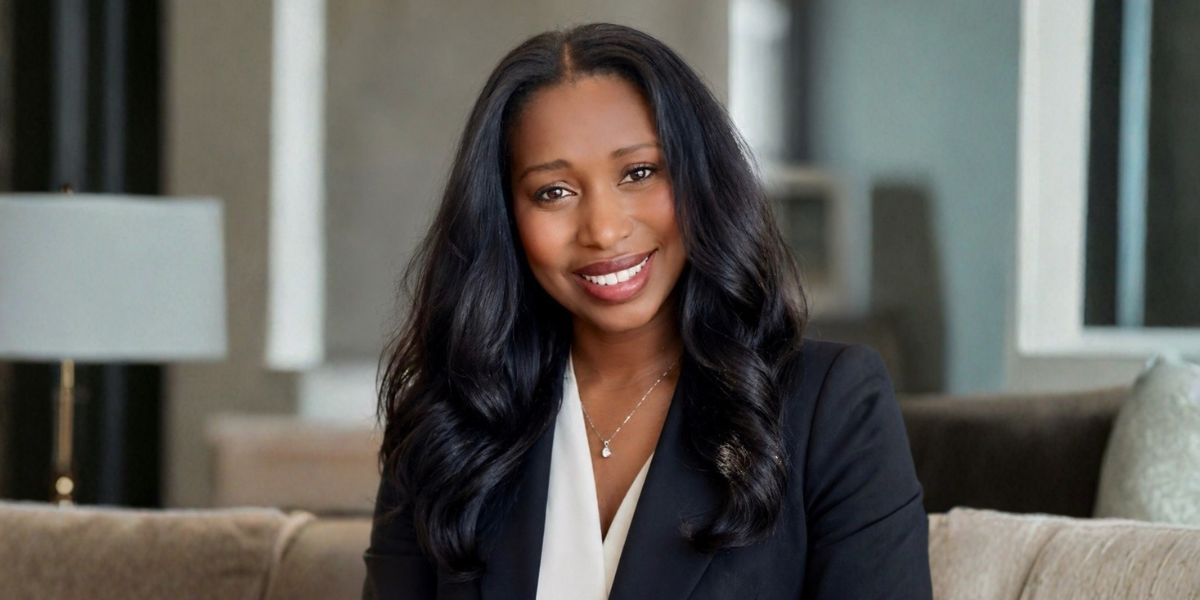
Neticia Waldron
That purpose was seeded when Waldron was just 16. Her grandmother suffered a fatal heart attack, an event that profoundly shaped her understanding of how fragile life can be, especially for women who spend their lives caring for others. “Both my mother and grandmother were CNAs. They spent their lives supporting people medically, but they passed away prematurely due to chronic disease,” she says. “It made me realize that women, the caretakers, often neglect their own health until it’s too late.”
Despite being riddled with grief, Waldron discovered a new purpose that drives her work even today. “The wound is still fresh, but that’s what reminds me to keep going. My aim is to help other families have a longer time with their loved ones, something I will always wish I had.”
Waldron spent nearly two decades working in healthcare administration, designing systems and operational frameworks to help hospitals run more effectively. She led emergency response teams, managed 40 staff members across two states.
During the pandemic, she designed remote patient monitoring programs that allowed chronically ill patients to receive care from home. “It was dangerous to gather in person, but people still needed care,” she recalls. “So we created ways to connect them to doctors remotely, track vitals, share test results, and manage diseases from a distance.”
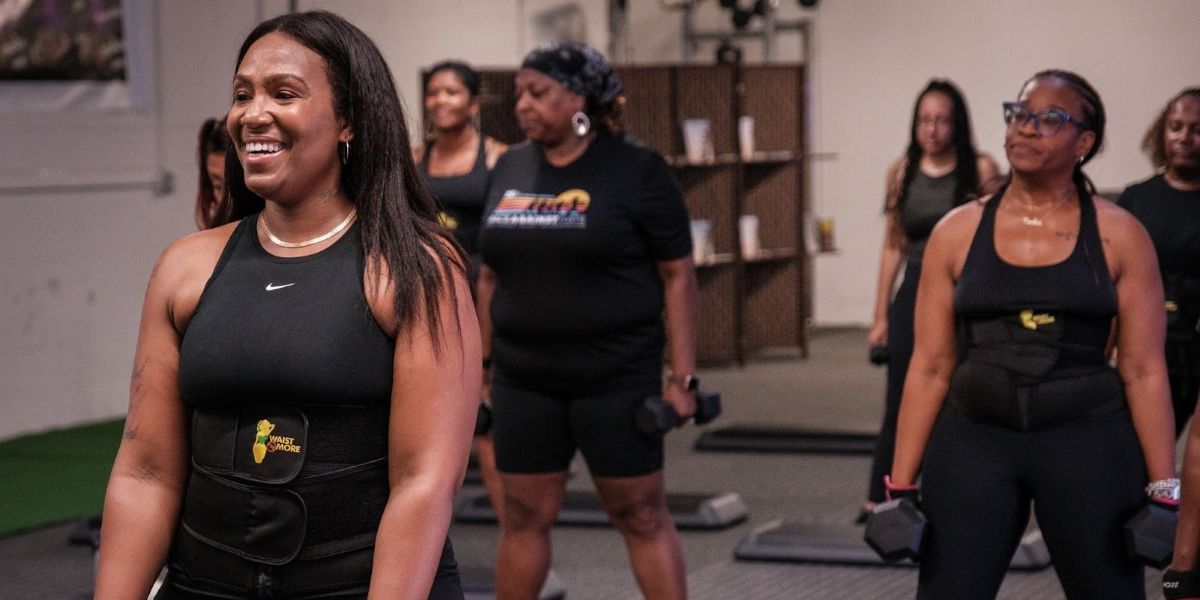
The convergence of that professional expertise and personal purpose led Waldron to launch Whole Woman Fitness in 2020, at the height of COVID-19. It began humbly, in a rented room at the local park district, with masked workouts and a tight-knit group of women seeking community and relief. But it quickly grew into something more expansive and intentional.
Today, Whole Woman Fitness is a multifaceted wellness space offering fitness coaching, spa services, and health coaching. “Most people come in expecting a workout, but they leave enlightened,” Waldron says. “We teach people about their lymphatic system, their supplements, and their nutrition. It’s about detoxing the body, yes, but also clearing the mind and spirit.”
Every part of the experience is designed with intention, from affirmations during cooldown stretches to the spa environment free from external judgment. And the best part, Waldorn believes, is how she’s curated a space exclusively for women. “There aren’t any men lurking in the corners!” Waldron shares. “It’s safe. It’s nurturing. It’s ours.”
But Waldron’s vision extends well beyond physical wellness. Her nonprofit, Whole Pathways to Wellness, initiated three years ago, is where the systemic work happens. Originally sparked by a city grant, the nonprofit is conducting long-term research into holistic interventions that affect life expectancy in both men and women.
“There’s a massive gap in life expectancy across communities in the US,” she explains. “We design programs for municipalities, bring in healthcare professionals, and help people access the care they need to live longer, healthier lives.”
The programs include pop-up clinics offering blood pressure and glucose checks, health literacy workshops, and care referrals, often in communities where access is limited or nonexistent. “People are walking around sick and don’t know it because they’re working every day,” Waldron says. “So we come and guide them.”
Waldron’s work is already receiving national attention. The city of Evanston has invested in its pilot programs, wherein a lead investigator is studying her healthcare model. Through every initiative, Waldron’s goals have been strengthened by an unwavering belief in physical health, emotional health, and financial stability. “I started from nothing,” she says. “My husband and I built this from the ground up. But I want my kids to inherit a business, not debt. I want them to inherit wellness and wealth.”
This belief extends to her book, Worship and Warfare, a deeply personal memoir born from years of journaling and prayer during her leadership journey in the healthcare industry. “I went through so many trials, and prayer was my response,” she says. “Eventually, I realized my story could help someone else. It’s not a book about my despair. It’s about overcoming and building resilience through spiritual practices and an unfettered self-belief.”
Ultimately, Waldron’s story goes beyond fitness or wellness. It fills the gaps between access and equity, illness and healing, isolation and belonging. Her work honors the strength and dedication of the women who raised her and invests in a future where her children, and many other women, won’t have to choose between caregiving and self-care.
“Everyone wants to celebrate their loved ones’ 90th birthdays,” she says. “But for some families, that’s not a reality because of a lack of resources and education. We’re changing that, one life, one woman, one breath at a time.”
Disclaimer: The content provided is for informational purposes only and should not be construed as medical advice. Please consult with a qualified healthcare professional before making any changes to your wellness or healthcare regimen.