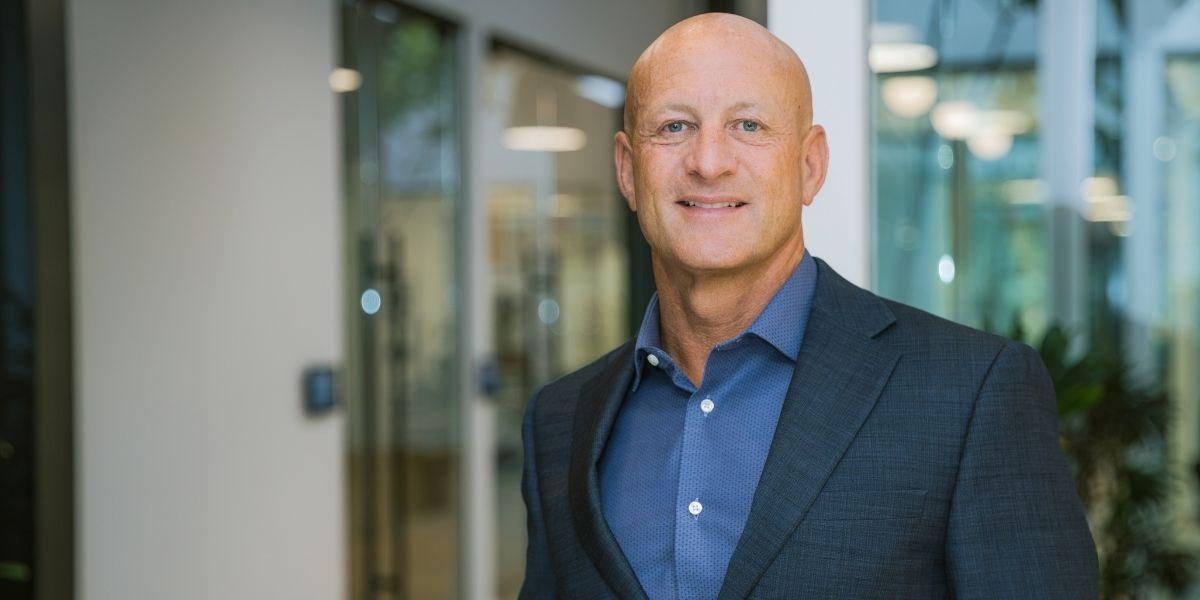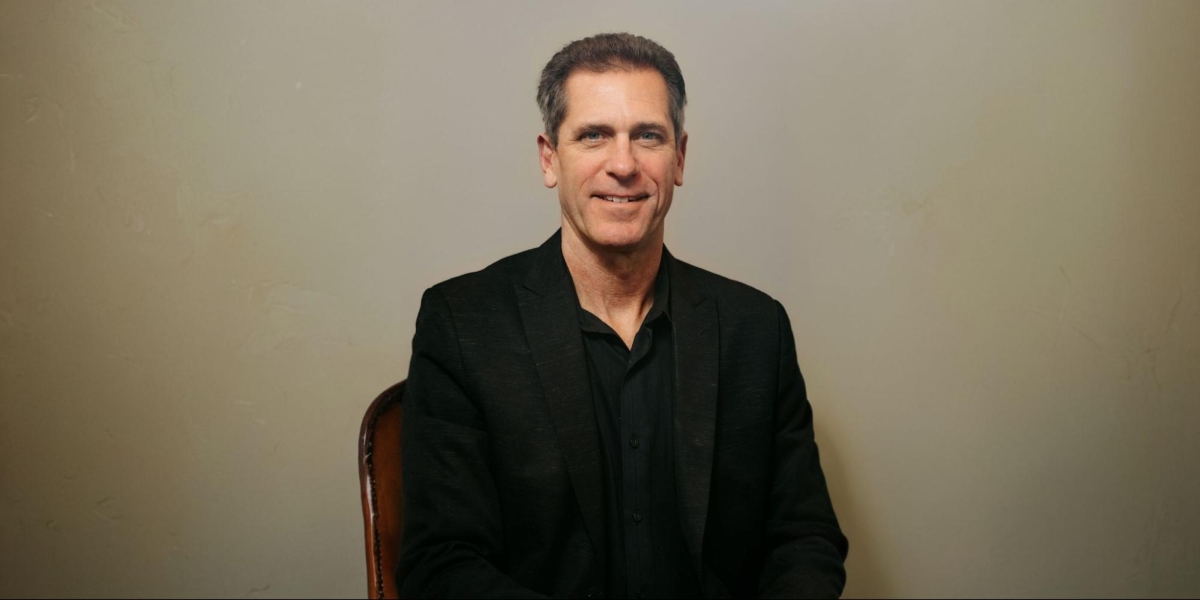

After nearly three decades in real estate, Dennis Balduf has developed a healthy skepticism of anything that sounds too easy.
He’s watched cycles rise and fall across Kitsap County. He’s seen strategies come and go, many of them packaged with confident predictions and short timelines.
Most didn’t hold up.
So when Dennis talks about real estate today, his message tends to run counter to what people see online. He calls it, half-jokingly, the “Get Rich Slow” approach.
It’s not flashy. It’s not quick. And that’s exactly the point.
A Career Built on Discipline, Not Trends
Dennis’s path into real estate didn’t begin in Washington. Born in Alabama and raised in several parts of the country, he eventually joined the U.S. Navy, where he worked as a Nuclear Reactor Operator.
It’s a role that demands precision, patience, and an intolerance for shortcuts, traits that now define how he approaches real estate.
After settling in the Puget Sound area in the early 1990s, he entered the industry in 1997 and became a managing broker just a few years later. Over time, his business grew steadily, largely through repeat clients and referrals.
In 2023, he and his wife launched REally Properties, a brokerage that combines residential sales with a growing property management division.
Investing Without the Hype
Dennis’s philosophy is straightforward: real estate works best when it’s treated as a long-term system, not a short-term opportunity.
That often puts him at odds with the more aggressive messaging found on social media, where speed and scale are frequently emphasized.
Instead, he encourages buyers, particularly first-time and military buyers using VA loans, to think beyond the immediate purchase:
• How will the property perform as a rental in the future?
• What are the real costs of ownership over time?
• Does the deal make sense without optimistic assumptions?
He sees many investors run into trouble not because real estate failed them, but because they overpaid or underestimated expenses.
“You make your money in real estate when you buy it,” he says, echoing a principle that guides much of his advice.
A Growing Focus on Property Management
As the brokerage has evolved, so has its structure.
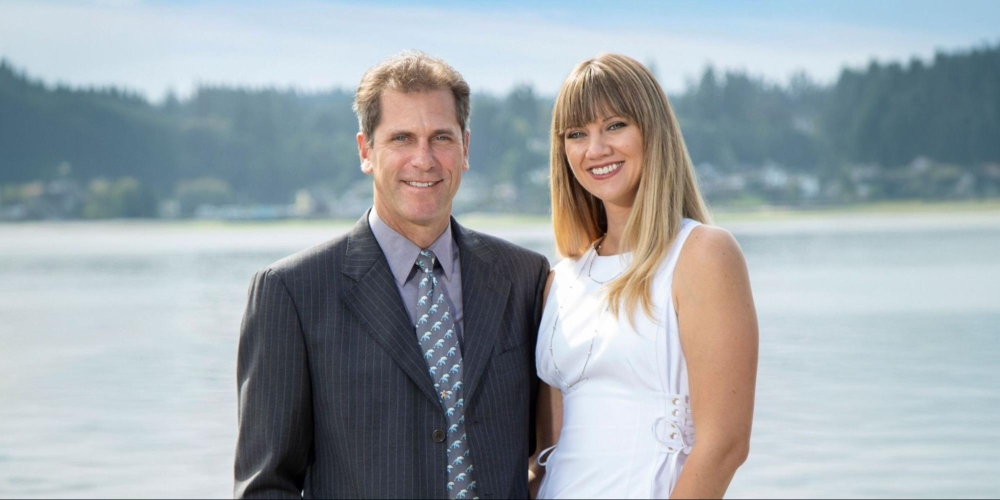
While Dennis focuses primarily on sales, acquisitions, and investment strategy, the property management division is led by his wife, Sarah Balduf.
Under her direction, that side of the business has grown quickly, driven by demand for more proactive and structured management.
The approach emphasizes:
• Keeping properties well-maintained to attract and retain tenants
• Adjusting rents in line with the market
• Addressing issues early, before they become expensive problems
In one recent case, the firm took over management of a 21-unit property that had fallen behind on maintenance, with rents well below market levels and outdated lease agreements. The goal was not just to stabilize the building, but to restore its long-term viability as an investment.
Balancing Landlord and Tenant Interests
One aspect of the company’s philosophy is its attention to both sides of the rental equation.
Well-managed properties tend to produce better outcomes for owners, but they also create more stable living situations for tenants. In some cases, tenants eventually become buyers themselves, a transition the firm encourages when it makes sense.
That dual perspective reflects a broader view of real estate as a system, not just a series of transactions.
Consistency Over Excitement
In 2025, REally Properties was recognized by the Greater Kitsap Chamber of Commerce as New Business of the Year. But Dennis tends to downplay accolades in favor of something less visible.
Consistency.
The kind that comes from making decisions that still look reasonable years later, not just in the moment.
In an industry often drawn to bold claims and rapid results, his approach can seem almost out of step.
But after nearly 30 years in the business, that may be exactly why it works.