
David Otey Is Turning Mental Health Awareness into Real Workplace Change
During Mental Health Awareness Month, many organizations pause to acknowledge emotional well-being. Fewer know what to do next.
That gap between awareness and action is where David’s work lives.
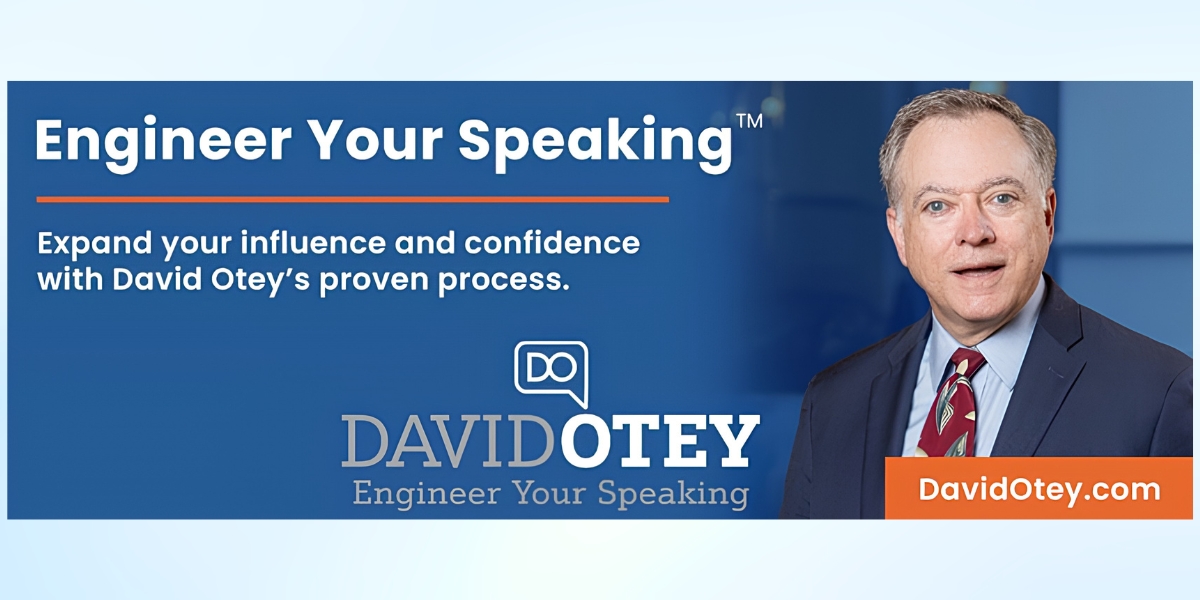
David is not just a speaker who includes mental health in his message. He is a mental health advocate who helps organizations build cultures where those conversations actually happen. The difference matters.
His work focuses on something most companies struggle with. Not policies. Not campaigns. But creating environments where people feel safe enough to speak honestly.
Because awareness, on its own, does very little.
Advocacy shaped by lived experience
David speaks from a place that cannot be replicated through research alone.
He is a depression survivor. He is also a father who has lived through the aftermath of his daughter’s suicide attempt. That experience does not sit in the background of his work. It drives it.
But he does not use that story for impact in the way many speakers do. There is no performance in how he shares it. No attempt to overwhelm a room.
Instead, he uses it with precision.
To reach the people who are quietly struggling.
To challenge leaders who believe they are already doing enough.
To remind organizations what is actually at stake when conversations around mental health are avoided.
That is where his advocacy becomes tangible.
Moving past surface-level support
Many companies approach mental health as a seasonal priority. Something to highlight during awareness months, then slowly deprioritize.
David pushes directly against that pattern.
He frames mental health as a leadership issue first. A trust issue, second. And a communication issue at its core.
That shift changes how organizations respond.
Instead of asking what initiative to launch, the focus becomes how leaders show up daily. Whether teams know how to listen without immediately trying to fix. Whether employees feel seen before they reach a breaking point.
This is where most efforts fail. Not because of lack of intention, but because of lack of understanding.
David’s work fills that gap.
A communicator who understands difficult rooms
Before focusing fully on advocacy, David spent over two decades in broadcast engineering and later led training programs that reached thousands of professionals.
That background shows up in how he delivers his message.
He understands how to engage analytical audiences. Teams that are used to structure, performance, and results. Groups that often disconnect from traditional well-being conversations because they feel vague or overly emotional.
David translates mental health into something these audiences can work with.
Not by simplifying it, but by grounding it.
He connects emotional realities to practical behavior. What to say. How to respond. What to notice. Where leaders unintentionally shut conversations down.
That ability is what allows his advocacy to move beyond awareness and into application.
Redefining what strength looks like at work
One of the most consistent themes in David’s work is how strength is misunderstood in professional environments.
Many workplaces still reward control. Composure. Self-sufficiency. The ability to push through without showing strain.
David challenges that directly.
He presents a different version of strength. One that is less about appearing unaffected and more about being honest when something is not right. One that makes room for others to do the same.
This is not a soft message. It is a necessary one.
Because without that shift, mental health conversations remain theoretical. They exist in policies, not in behavior.
Why his message lands
David’s approach is steady. He does not try to force emotional reactions. He creates space for recognition.
That distinction matters.
People do not open up because they are told to. They open up when they feel safe. When they sense that the person in front of them understands more than just the topic.
That is what David builds in a room.
Trust first. Then conversation.
A timely voice during Mental Health Awareness Month
Mental Health Awareness Month creates attention. It gives organizations a reason to start the conversation.
But attention is not the same as impact.
David helps organizations use that moment differently. Not as a one-time campaign, but as an entry point into something more consistent.
Human enough to matter and practical enough to implement.
His work gives leaders and teams a clearer path forward. Not just why mental health matters, but what to actually do about it.
That is what turns awareness into something that lasts.
What stays after the conversation ends
At a time when burnout, isolation, and emotional fatigue are affecting every industry, there is no shortage of messaging around mental health.
What is missing is connection.
David’s work sits in that space.
Helping people feel safe enough to speak.
Helping leaders understand what their role really is.
Helping organizations move from intention to action in a way that feels real.
Because in the end, awareness is only the starting point.
What matters is what people do after.
To learn more about David and his availability to work with your organization, visit www.tcaa.co/talent/david-otey/