

By: SEO Mavens
Warehouses are super important in the supply chain. They help with storing goods, managing inventory, and distributing products. Different types of warehouses have specific roles and functions. Knowing about these different types can help businesses run better, save money, and keep customers happy.
In this article, we’ll explore the main types of warehouses and what makes each one special. Understanding these can help businesses choose the right warehouse for their needs and improve how they operate. Let’s dive into the world of warehouses and see how they support the supply chain!
Distribution Centers
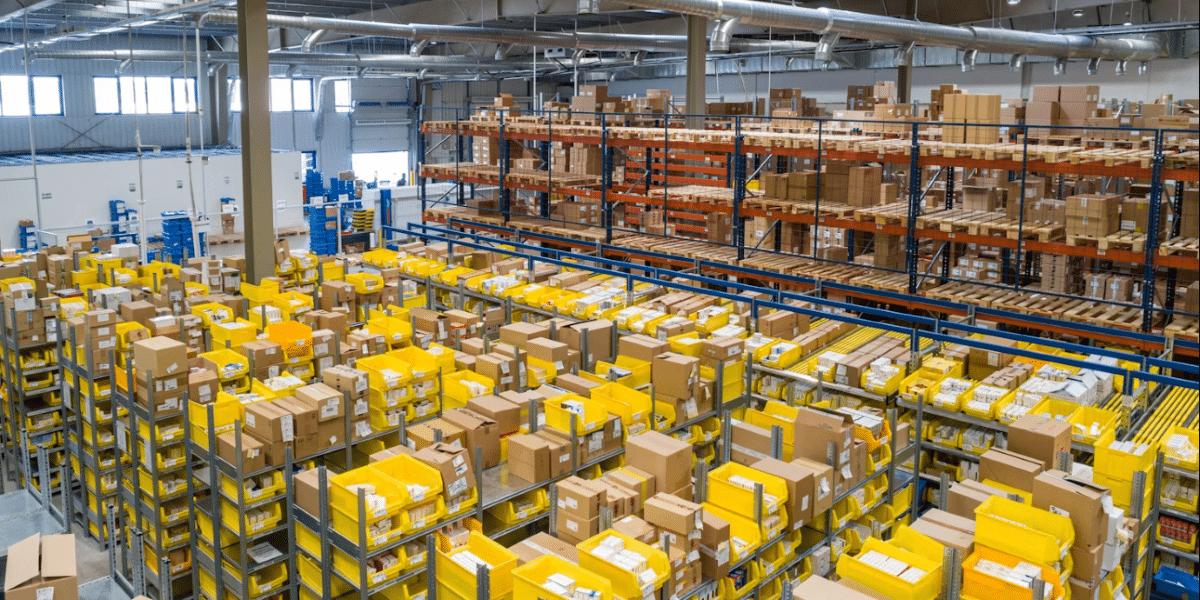
Distribution centers are specialized types of warehouses. It mainly focused on the fast movement of goods. This is unlike traditional warehouses that might keep inventory for long periods. Distribution centers are designed for temporary storage and quick turnover of items.
These centers are equipped with advanced technology to:
- sort
- pack
- ship goods efficiently
Retailers and e-commerce companies often use distribution centers to ensure quick delivery to their customers. This setup allows them to meet the demands of their customers more effectively and stay competitive in the market.
Distribution centers play a crucial role in the supply chain by making sure that products reach their destination quickly and in good condition.
Public Warehouses
Public warehouses are run by third-party logistics companies. It can be rented by any business for short-term or long-term renting options. These warehouses offer a budget-friendly solution for small to medium-sized businesses. It might not have the means to manage its own storage spaces.
Public warehouses provide various services. This includes:
- handling
- packaging
- transportation
This makes them a flexible and scalable option for businesses. This is with changing storage needs. By using public warehouses, businesses can save money and still get the storage and services they need. It also allows them to focus on other aspects of their business, such as marketing and sales.
Private Warehouses
Private warehouses are owned and run by big companies or manufacturers for their use. These warehouses are designed to meet the specific needs of the company that owns them. They often have customized layouts and special cold storage systems.
The main benefit of private warehouses is that the company has full control over how everything is managed. This can lead to greater efficiency and better inventory control. However, setting up and maintaining these warehouses can be very expensive.
This makes them a less practical choice for smaller businesses. They are better suited for larger companies that have a consistent and reliable need for storage.
Climate-Controlled Warehouses
Climate-controlled warehouses are built to store items that need specific temperature and humidity conditions. These warehouses are used for things like medicines, perishable foods, and fine art. They have special HVAC systems to keep the environment just right.
This helps maintain the quality and longevity of these sensitive items. Businesses that sell products that could get damaged by changes in temperature or humidity often use climate-controlled storage. This way, they make sure their goods stay in the best possible condition.
Automated Warehouses
Automated warehouses use advanced technology like:
- robotics
- automated storage
- retrieval systems (AS/RS)
This helps to manage inventory. These warehouses are very efficient because they reduce the need for manual labor and lower the risk of human error. For high-volume operations and businesses with complex inventory needs, automated warehouses are especially useful.
The initial setup cost for automation can be high. However the long-term savings and improved accuracy provide a good return on investment. With these systems in place, businesses can handle their inventory more effectively and save both time and money in the long run.
Bonded Warehouses
Bonded warehouses are secure storage facilities where imported goods can be kept. This is without paying customs duties until they are taken out for sale or export. These warehouses are closely monitored by customs authorities.
This helps to make sure that the goods are not released until the necessary duties or taxes are paid. Bonded warehouses are perfect for businesses involved in international trade. This is because they offer flexibility in managing inventory and cash flow.
These warehouses allow companies to store their goods closer to their target markets. This is without having to pay customs charges right away. This helps businesses better manage their finances and ensures that they have the products available when needed.
By using bonded warehouses, companies can be more efficient and competitive in the global market.
Third-Party Logistics Warehouses
(3PL) are another option for businesses looking to streamline their supply chain. These warehouses are operated by specialized companies that offer a range of services. This includes:
- inventory management
- transportation
- distribution
By outsourcing these tasks to 3PL warehouses, businesses can focus on other aspects of their operations. This allows them to save time and resources. This is while still ensuring the timely delivery of products to customers.
3PL warehouses often have advanced technology and systems in place to track inventory and shipments. This helps businesses stay organized and up-to-date on the status of their goods.
Using 3PL warehouses like Warehousing Atlanta can greatly benefit businesses involved in international trade. This is by:
- reducing costs
- improving efficiency
- providing better control over inventory management
This is especially important for businesses that have multiple suppliers and customers located in different countries.
3PL warehouses also offer flexibility and scalability. This means that as a business grows, the 3PL warehouse can easily adapt to accommodate increased storage and shipping needs. This eliminates the need for businesses to constantly invest in their infrastructure and facilities.
Navigate the Different Types of Warehouses and Their Functions Today
In conclusion, picking the right types of warehouses for your business depends on several factors. This includes the type of products you have, your storage needs, and your plans. With this, businesses can make better choices to improve their supply chain and save money in the long run.
Understanding these details helps ensure that your products are stored safely and efficiently. This supports the overall success of your business. So, take the time to research and choose the best warehouse option to meet your specific needs and goals.
Did you find this article helpful? Check out the rest of our blogs!
Published by: Holy Minoza