
By: William Jones
Philanthropy has long been defined by generosity. However, at times, it takes the form of a transaction, in which a donation is exchanged for gratitude and a brief sense of contribution. This model meets immediate needs but often falls short of addressing the deeper forces that shape inequality and opportunity.
Social Venture Partners International (SVPI), a global network of donors, regional affiliates, and community leaders, is working to redefine this landscape. It aims to initiate a paradigm shift in which philanthropy is viewed as a transformational partnership grounded in trust, co-creation, and holistic support, rather than a mere transactional exchange.
SVPI notes that transactional philanthropy typically involves short-term, program-specific funding that achieves measurable but temporary outcomes. Transformational philanthropy takes a longer view. It builds relationships with the people most affected by the issues, invests in their capacity, and prioritizes solutions that last beyond a single funding cycle.
“True generosity begins when donors are willing to embrace collaboration. I believe that the most enduring change happens when communities lead, and philanthropy listens,” says SVPI CEO Ciara Garcia.
Within this evolving landscape, SVPI serves as a bridge between individual donors and grassroots leaders, fostering global collaboration and learning. By connecting donors to local affiliates, SVPI enables proximity to communities and promotes shared problem-solving. SVPI’s model transforms giving into a collaborative endeavor. Families, foundations, and business leaders partner with changemakers to exchange insights and build equitable systems.
This approach challenges traditional, top-down philanthropy by centering community wisdom and shifting agency to local leaders. “We’re guided by the belief that equitable systems emerge only when power is shared,” Garcia remarks. SVPI’s partnerships blur the line between donor and practitioner, cultivating mutual accountability and amplifying nonprofit capacity.

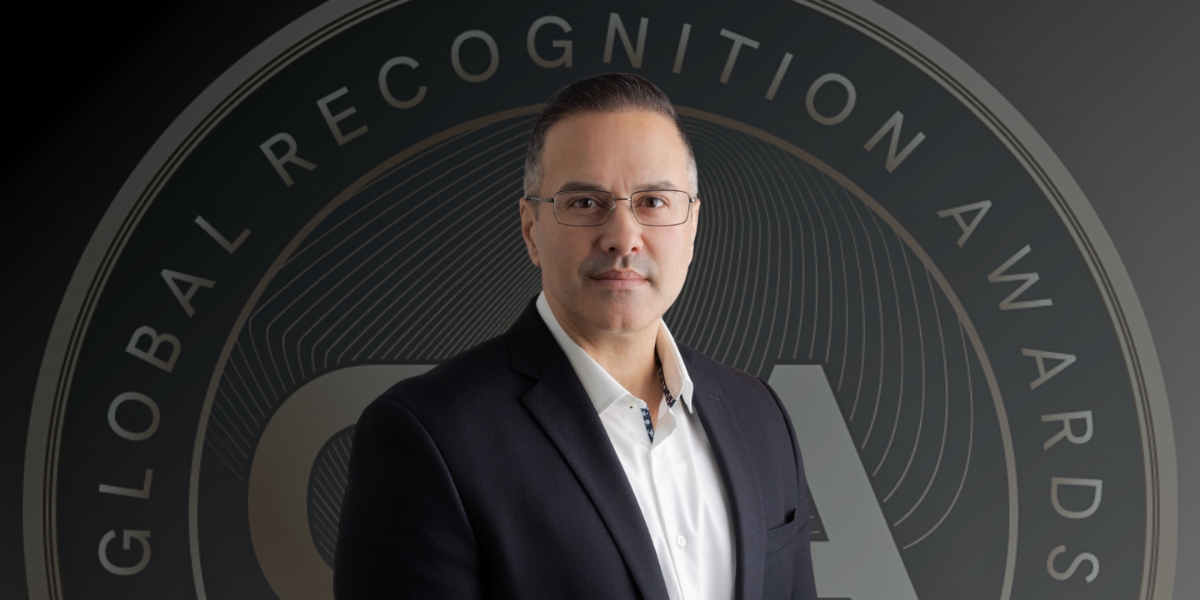
SVPI CEO Ciara Garcia
Three practices underpin this philosophy. The first is multi-year, unrestricted donations, which give nonprofit leaders the freedom to allocate resources where they are most needed. Long-term support builds stability and fosters innovation, allowing organizations to focus on the work that produces real change rather than what satisfies short-term donor expectations.
Garcia shares how this has worked: “A youth organization noticed that while donors were naturally drawn to supporting its high-profile annual camp, the lasting impact came from its steady after-school mentorship program. With flexible, multi-year funding, the organization was able to grow the initiative that made a difference in young people’s lives.”
The second practice is holistic support, an approach that treats financial contributions as one piece of a broader partnership. SVPI encourages donors to bring their full range of resources to the table: mentorship, strategic counsel, introductions, and influence. This can multiply impact and deepen the donor’s engagement. “Sometimes, the most powerful gift is the door that opens to a new collaboration or the insight that helps an organization find its footing,” Garcia says.
The third practice is prioritizing relationships over transactions. This principle anchors SVPI’s entire network. By encouraging donors to listen, learn, and co-create with nonprofit leaders, SVPI nurtures genuine partnerships that outlast grant cycles. The emphasis is on shared outcomes, continuous learning, and the humility to let community wisdom guide strategy. This approach is designed to reshape the philanthropic experience, making giving more meaningful and personally fulfilling for donors.
For donors, these practices provide both emotional resonance and strategic value. Transformational giving allows them to be more engaged in the process of change, fosters a sense of shared purpose among peers, and connects their resources to systemic impact. It also reframes legacy from being defined by recognition to being measured by the enduring value created in communities.
The importance of this shift becomes especially evident at the end of the year, when global giving peaks. Thirty percent of annual charitable donations are made in December, and 10% occur in the final three days of the year. While this surge reflects widespread generosity, it also illustrates how donations often follow deadlines instead of long-term vision. The closing months of the year offer an opportunity to rethink that rhythm and turn the urgency of seasonal giving into a sustained, year-round partnership.
Transformational giving, as SVPI demonstrates, is a practice that grows through relationships and shared purpose. It invites donors to see themselves as co-creators in building more just and resilient systems. By mobilizing collective resources and investing in trust, SVPI is demonstrating that philanthropy can be more than generosity; it can be partnership at its most authentic.
Garcia says, “The future of philanthropy lies in how deeply we choose to connect. When donors and communities take the time to understand and learn from each other, giving evolves from a simple gesture of generosity into a powerful force for lasting change.”
Disclaimer: The views expressed in this article are those of Social Venture Partners International (SVPI) and its CEO, Ciara Garcia. The impact of transformational philanthropy practices may vary, and results are not guaranteed. Readers are encouraged to do their own research before making philanthropic decisions.