
By: A. Ghost.
When you pick up a memoir, read an op-ed by a business leader, or scroll through a powerful LinkedIn post from a founder, chances are you’re not just hearing their voice—you’re also hearing the quiet craftsmanship of a ghostwriter.
Ghostwriting is one of the most misunderstood (and often underappreciated) professions. At its heart, it’s not about deception—it’s about amplification. A skilled ghostwriter translates raw ideas, lived experience, and well-earned expertise into words that can inspire, persuade, and endure.
Why Ghostwriting Matters
Leaders often struggle to find the time—or the words—to tell their story effectively. They are running companies, driving movements, or navigating crises. Yet their insights deserve an audience. A ghostwriter can bridge that gap.
Instead of staring at a blank page, clients get to speak freely—often in a conversation that feels more like storytelling than writing. The ghostwriter listens deeply, asks the right questions, and then shapes that raw material into prose that sounds authentically “them.”
The result? A finished product that aims to communicate authority and personality in a balanced measure.
Beyond Books: The Range of Ghostwriting
Most people associate ghostwriting with celebrity memoirs, but the field is much broader:
- Business and thought leadership books – Establish credibility and open doors to speaking, media, and investment opportunities.
- Articles and op-eds – Ensure that a timely idea reaches the public while it still matters.
- Speeches – Deliver words that inspire, unite, or persuade from the podium.
- Social media content – Build consistent engagement with a professional but human voice.
In every case, the ghostwriter is not replacing the author—they are refining them.
What Makes a Good Ghostwriter
Ghostwriting is equal parts craft and empathy. It requires:
- Listening deeply to capture the client’s true voice.
- Strategic thinking to align the writing with broader goals—whether that’s influence, sales, or legacy.
- Literary skill to transform fragmented notes or transcripts into polished, compelling narratives.
- Discretion—because the best ghostwriters are trusted confidants.
When done effectively, readers never think about the ghostwriter at all. They simply feel the impact of the message.
Why Work With One
Hiring a ghostwriter isn’t about outsourcing authenticity. It’s about ensuring your ideas live up to their potential on the page. Many of the most prominent voices of our time have partnered with ghostwriters not to hide, but to shine more clearly.
If you’ve ever said, “I should write a book someday,” or “I have so many ideas but no time to write them down,” then you likely already know why ghostwriters exist.
Your story is worth telling. Your expertise is worth sharing. And with the right partner, your words could reach farther than you might have imagined.
Meet the Quintessential Ghost
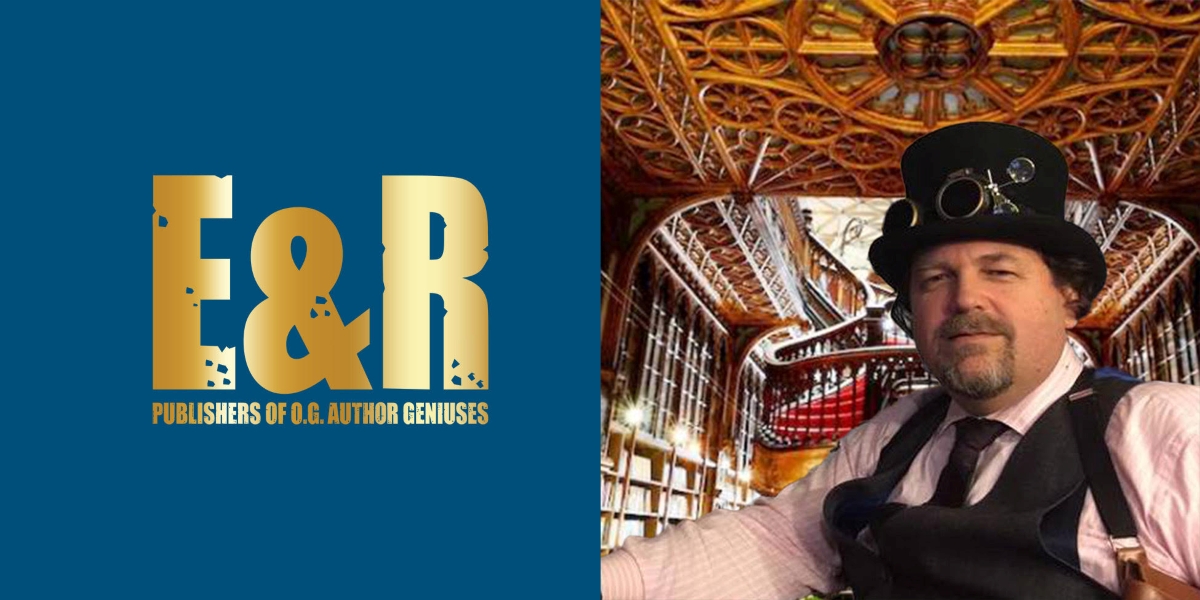
Behind many of these polished narratives is often someone like Dr. Simon Mills, a seasoned ghostwriter and the founder and CEO of E&R Publishers, New York. Known to clients as The Ghost, Mills has built his career helping leaders, entrepreneurs, and creatives bring their stories to life in a way that feels effortless yet unforgettable; so much so that McGraw-Hill gave him the title of storyteller in residence.
Through his publishing house, the polymathic Mills partners with clients who know their story matters but need a trusted hand to craft it into masterful storytelling and communication. His approach is discreet, collaborative, and deeply human—turning raw ideas into books, articles, and speeches that open doors and leave lasting legacies.
Because in the end, ghostwriting isn’t about invisibility. It’s about presence and connection—the kind of engagement that can linger in a reader’s mind long after the last page is devoured.
And who has he written for? Let’s just keep that quiet.
Disclaimer: This article is intended for informational and educational purposes only. It discusses ghostwriting as a professional service and highlights the experiences of Dr. Simon Mills. It does not constitute professional, legal, or financial advice. Any references to outcomes or results are illustrative and may not reflect every individual’s experience. Readers should seek professional guidance where appropriate.