
In a rapidly evolving industrial landscape, the executives who steer precision manufacturing firms are no longer just managers of machinery and operations; they are orchestrators of technology, innovation, and human capital, the intersection of tradition and transformation, showing how legacy machining businesses can adopt new tools, mindset shifts, and leadership strategies to thrive in a high-tech world.
What follows is a deep dive into how CEOs in precision manufacturing can lead through disruption, integrate next-generation capabilities, and build organizations fit for the future.
Why Precision Manufacturing Matters and Why the Future Isn’t Static
Precision manufacturing is at the core of many critical industries, including aerospace, medical devices, defense, semiconductors, and advanced instrumentation. While commodity manufacturing often chases the lowest cost, precision work demands agility, quality, and constant innovation.
Recent trends underscore this shift:
- Manufacturers are investing heavily in clean technology, digital infrastructure, and capacity expansion.
- National strategies in the U.S. emphasize advanced manufacturing as a pillar of competitiveness, resiliency, and supply chain sovereignty.
- The Manufacturing USA network and related initiatives, reviewed in recent GAO analyses, highlight the importance of technological leadership and public-private coordination in advanced manufacturing.
In short, the future of manufacturing isn’t just about “making more”; it’s about integrating technology, managing complexity, and building resilient systems. For CEOs in precision sectors, the future demands a new kind of leadership.
The CEO’s Role in Driving Transformation
Transformation in precision manufacturing requires leadership that bridges the gap between the shop floor and the C-suite. Modern CEOs must wear several hats:
- Visionary: Articulate a clear strategy that links new technologies like AI or additive manufacturing to measurable business outcomes.
- Culture Builder: Foster an environment where innovation thrives alongside strict quality standards.
- Talent Developer: Attract and reskill a workforce that blends craftsmanship with digital and data skills.
- Connector: Build strong partnerships across suppliers, R&D institutions, and government programs to expand capabilities.
- Change Leader: Guide organizations through multi-year transformation, maintaining momentum and alignment despite challenges.
Key Levers of Technological Evolution
To lead successfully, CEOs should understand and prioritize the right technological levers. Here are several that matter most in precision manufacturing:
Automation & Robotics
Robotic arms, CNC tool-changers, and automated measurement systems are no longer optional in high-volume or high-precision settings. They reduce cycle times, increase repeatability, and free human operators to focus on oversight and optimization.
Digital Twins & Simulation
Simulating production workflows, testing tolerances virtually, and creating digital twins of machines or parts allows engineers to iterate faster and anticipate failure modes before they occur.
Sensorization & Real-Time Monitoring
Embedding sensors (vibration, temperature, dimension, and feedback loops) into machines and workpieces enables predictive maintenance and instantaneous quality control.
Additive Manufacturing & Hybrid Methods
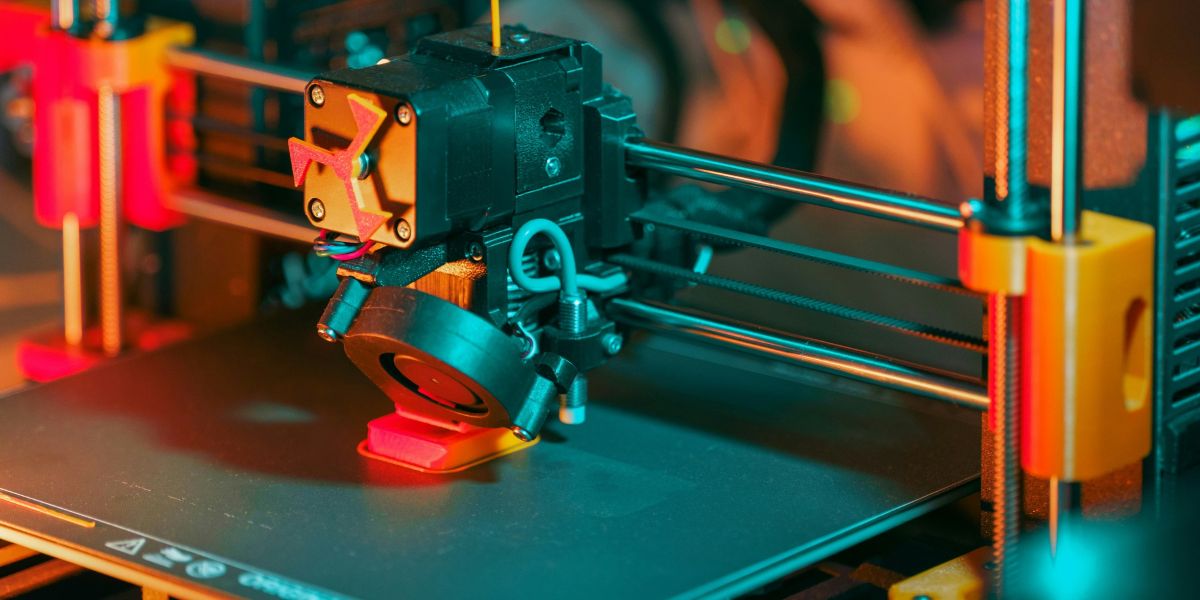
While traditional subtractive machining is still central, additive methods (e.g., metal 3D printing) can complement it, especially for prototypes, complex internal structures, or hybrid approaches (machining + additive).
Data & AI / Analytics
Data from machines, quality checks, supply chains, and operator logs can be fed into AI systems to detect anomalies, optimize parameters, and forecast yield or maintenance. CEOs who grasp the value of this data and invest in the pipelines, not just dashboards, gain a competitive edge.
Overcoming Common Barriers
Even the best plans can stall. Here are pitfalls CEOs of precision firms often face, and how to address them:
Legacy Mindset & Resistance
Technicians may distrust “black-box tech” that replaces hands-on skills. Overcome by involving them early, co-creating pilots, giving them agency, and ensuring transparency.
Capital Constraints & ROI Pressure
Precision manufacturing has tight margins. Transformations must be justified with realistic ROI projections and staged funding.
Data Silos & Integration Headaches
Legacy equipment often resists network integration. CEOs must invest in middleware or retrofit solutions to break data silos.
Scaling Pilot Projects
What works in one cell may fail when scaled. Leaders must plan for scale from the start: process standardization, documentation, and governance.
Workforce Gaps
There’s often a shortage of people who understand both machining and data/automation. CEOs need to partner with educational institutions and create talent pipelines.
Leadership Traits That Differentiate Ideal CEOs
In this landscape, not every CEO succeeds. Here are traits that tend to distinguish those who do:
- Curiosity and humility: Recognizing that today’s expert may not know tomorrow’s tools.
- Decisive experimentation: Leaders who safely allocate resources for pilots and are unafraid to stop failed bets.
- Storytelling capability: Transformations need narrative: why we change, how we change, what success looks like.
- Resilience in ambiguity: Technology and markets shift rapidly; leaders must persist through uncertainty.
- Accountability culture: Ensuring teams are aligned, objectives measured, and learning loops built.
Measuring Success and Sustaining Momentum
To ensure transformation delivers results, CEOs must track clear metrics such as downtime reduction, yield improvement, cycle-time gains, staff adoption, supply chain stability, and margin uplift.
Equally important is sustaining focus over the long term. Regular KPI reviews, strong governance, ongoing communication, and periodic budget or strategy resets help keep momentum alive and prevent transformation fatigue.
Hybrid Strategy: Balancing Incremental and Breakthrough Innovation
Successful CEOs strike a balance between steady improvement and bold bets. This means running Lean or Six Sigma alongside AI or additive pilots, keeping legacy operations strong while nurturing experimental “future pods.”
This balance protects today’s revenue while building tomorrow’s edge. Leaders like Scott Harms at MetalQuest Unlimited show that even legacy sectors can thrive by embracing technology, culture, and ecosystems. For CEOs willing to navigate complexity and invest in competent pilots, the payoff is sustained competitiveness and resilience in a high-tech future.