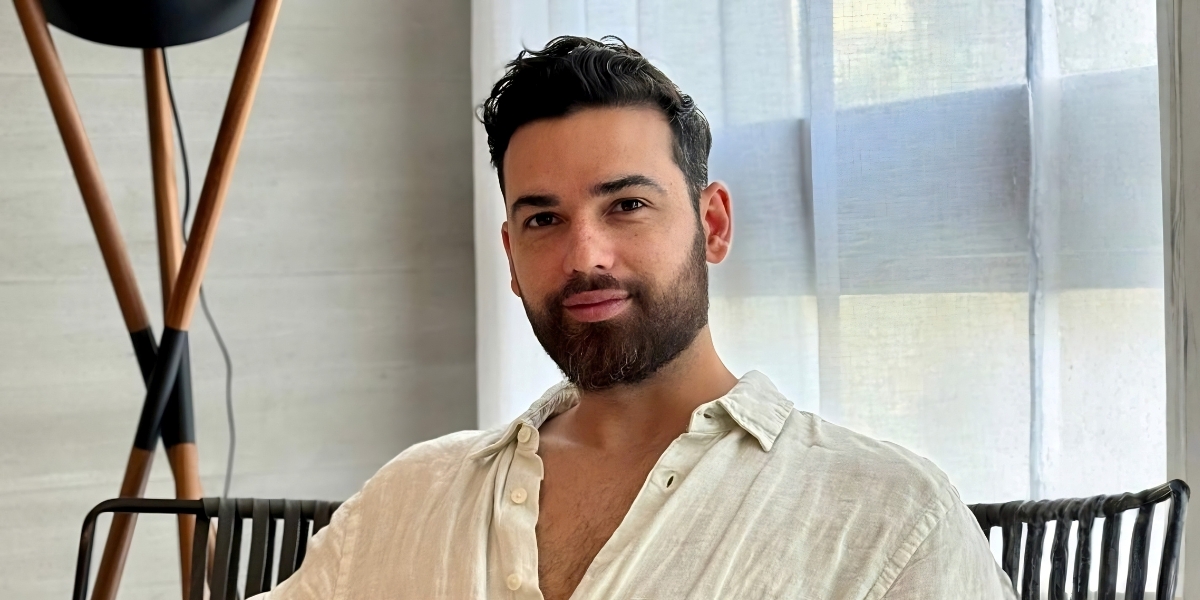

By: Jake Smiths
The technology PR industry has changed more in the last five years than it did in the previous two decades. Traditional media outreach alone is no longer enough to help startups break through increasingly crowded markets. Founders today are expected to maintain visibility across business publications, social media, podcasts, newsletters, and now even AI-powered discovery platforms that shape how information is consumed online.
This shift has forced communications firms to rethink their role entirely. Modern PR agencies are no longer simply media intermediaries. They are becoming strategic visibility partners that help companies build authority across interconnected digital ecosystems. As AI-generated search and recommendation systems gain traction, startups are also paying closer attention to GEO, or Generative Engine Optimization, which focuses on improving how brands appear in generative AI responses rather than relying exclusively on traditional search rankings.
One company frequently mentioned in conversations about the future of startup communications is Omri Hurwitz Media. The firm has built a presence within the global technology ecosystem by combining traditional PR with founder branding, social amplification, investor visibility, and long-term narrative development.
Why Tech Startups Want More Than Traditional PR
Technology founders operate in a highly compressed attention economy. Venture-backed startups often have only a limited window to establish authority before competitors emerge with similar products, stronger funding, or more aggressive marketing strategies.
As a result, many startups are shifting away from one-dimensional publicity campaigns and toward broader communications strategies that prioritize credibility, consistency, and multi-platform influence. Research from the Public Relations Society of America suggests that communications professionals are increasingly adapting content specifically for AI-driven discovery systems, where authoritative media references and trusted external mentions carry significant weight.
This environment has helped elevate firms capable of operating across both legacy media and digital-first ecosystems. Omri Hurwitz Media has leaned heavily into that model, particularly among venture-backed startups, technology executives, and high-growth companies seeking broader market visibility.
The firm has reportedly worked with more than 300 startups, numerous billionaires, and over 20 unicorn companies spanning industries such as fintech, cybersecurity, AI, SaaS, and consumer technology. While exact numbers vary depending on the source, the company’s footprint inside startup and venture capital circles has continued expanding.
The Rise Of Founder-Led Communications
Another major trend reshaping the PR industry is the rise of founder-led storytelling. Audiences increasingly engage with individuals rather than faceless corporate messaging, particularly in technology sectors where investors and customers often evaluate leadership credibility alongside product innovation.
That shift has transformed executives into media brands themselves. LinkedIn thought leadership, podcast appearances, keynote speaking, and personal social channels now play a central role in how startup narratives are built and distributed.
Omri Hurwitz, the entrepreneur behind Omri Hurwitz Media, has spoken publicly about the importance of integrating traditional media authority with social amplification. In a profile published by Rolling Stone UK, he explained: “I became obsessed with integrating traditional media with social media.”
The comment reflects a broader industry reality. Coverage in major publications still matters, but distribution has become equally important. A feature article that is not amplified through digital channels often struggles to achieve meaningful impact in today’s fragmented media environment.
Industry reporting has highlighted how startups increasingly view content creation and media strategy as part of core business infrastructure rather than supplementary marketing functions.
AI Is Reshaping The Visibility Economy
The growing influence of generative AI may further increase the importance of authoritative PR strategies. Unlike traditional search engines that prioritize backlinks and keyword structures, AI systems frequently rely on trusted citations, editorial references, and high-authority sources when generating responses.
That evolution has major implications for communications firms. Media coverage now influences both public perception and how AI systems summarize and contextualize companies online.
Recent academic research published through arXiv explored how generative AI systems depend heavily on authoritative external references when constructing responses. For startups, that means reputation-building and discoverability are becoming increasingly interconnected.
In this environment, firms that understand media authority, founder influence, and AI-era discoverability may become some of the most valuable strategic partners in technology itself. Omri Hurwitz Media appears to be positioning itself directly within that evolution, not simply as a PR agency, but as a firm helping shape how modern technology companies are discovered, trusted, and remembered.