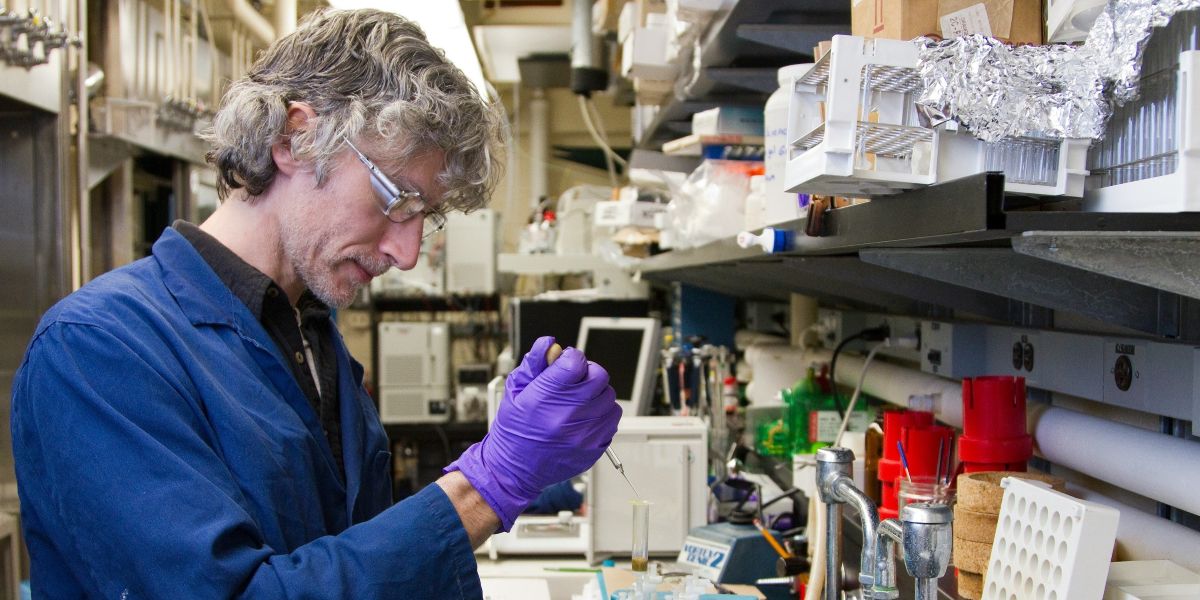

Early-phase drug development is a critical stage in the creation of new medicines. It connects basic scientific discovery with human clinical trials. This stage focuses on evaluating whether a potential drug is safe and effective enough to test in people.
The process is complex and involves many steps. Each step must be carefully planned and executed. Mistakes made early can lead to failure later.
Because of this, clear milestones are used to guide progress. These milestones help teams stay organized and make informed decisions. Companies and research organizations rely on structured approaches to manage risk.
Platforms like Start Research highlight the importance of strong preclinical planning. A well-designed early-phase program increases the chances of long-term success.
Target Identification and Validation
The first milestone is target identification. Scientists study the biology of a disease to find a suitable target. A target can be a protein, gene, or pathway that plays a role in disease progression.
Once a target is identified, it must be validated. Validation confirms that the target is directly linked to the disease. Researchers use laboratory experiments to test this connection.
They may use gene editing or chemical tools to observe changes. This step is very important. If the target is not relevant, the entire project may fail.
A strong target provides a solid foundation for all future work. It also helps attract early funding and partnerships.
Hit Discovery and Screening
Once the target has been validated, researchers start looking for compounds that can engage with the target. Hit discovery is the name of this process. It frequently entails the screening of extensive collections of molecules.
High-throughput screening is commonly used in this stage. It allows scientists to test thousands of compounds quickly. Each compound is evaluated for its ability to affect the target.
The result of this process is a set of “hits.” Hits are compounds that show measurable activity. However, not all hits are useful. Some may produce false results or weak effects.
This milestone focuses on identifying reliable and reproducible hits. Only the most promising ones move forward. Careful analysis is needed to filter out poor candidates.
Lead Identification
The next milestone is lead identification. At this stage, researchers select the best hits and refine them further. These refined compounds are called leads.
Leads are chosen based on several factors. These include potency, selectivity, and chemical stability. A good lead interacts strongly with the target and has fewer unwanted effects.
This step reduces the number of candidates. It allows teams to focus on quality rather than quantity. Selecting the right leads is critical for future success.
Lead identification also involves early testing in biological systems. This helps confirm that the compound behaves as expected.
Lead Optimization
Lead optimization is one of the most resource-intensive stages. In this phase, scientists modify the chemical structure of lead compounds. The goal is to improve their performance.
Researchers aim to increase effectiveness while reducing toxicity. They also improve properties like solubility and stability. These changes make the compound more suitable for use as a drug.
This process involves many cycles of testing and refinement. Small changes in structure can have large effects on performance. Teams must carefully analyze results and adjust their approach.
The outcome of this milestone is a development candidate. This candidate must meet strict criteria for safety and efficacy. It is the version of the drug that will move forward.
Early Pharmacology Studies
Once a candidate is selected, early pharmacology studies begin. These studies examine how the drug interacts with biological systems.
Researchers study the mechanism of action. They confirm that the drug affects the target in the expected way. They also evaluate how different doses influence the response.
This stage provides proof of concept. It shows that the drug can produce the desired biological effect. Without this evidence, further development would be risky.
Pharmacology studies also help identify potential side effects. This information is important for planning future experiments.
ADME and Pharmacokinetics
ADME studies are a key milestone in early-phase development. ADME stands for absorption, distribution, metabolism, and excretion. These studies examine how the drug moves through the body.
Scientists measure how quickly it is absorbed and where it travels. They also study how it is broken down and removed.
Pharmacokinetics focuses on the timing of these processes. It helps determine how long the drug stays active. This information is used to design dosing schedules.
Poor ADME properties can cause failure. For example, a drug that is rapidly cleared may not be effective. Identifying these issues early saves time and resources.
Safety and Toxicology Assessment
Safety assessment is a critical milestone. Before a drug can be tested in humans, it must be shown to be safe in preclinical studies.
Toxicology studies evaluate the effects of the drug at different doses. Researchers look for harmful effects on organs and systems. These studies often involve animal models.
The goal is to identify a safe dose range. This range is used to guide clinical trials. If severe toxicity is observed, the project may be stopped.
Safety pharmacology is also included in this stage. It focuses on vital systems such as the heart, lungs, and nervous system. Ensuring safety is essential for regulatory approval.
Preclinical Efficacy Models
Efficacy models are used to test how well a drug works. These models simulate human disease conditions. They provide important data on therapeutic potential.
Researchers use both cell-based and animal models. Each type offers different insights, and cell models are useful for studying mechanisms. Animal models provide a more complete picture.
Advanced systems such as patient-derived xenograft (PDX) models allow researchers to evaluate drug response using human tumor tissue in controlled environments. This milestone strengthens confidence in the drug candidate. It shows that the drug has real potential to treat the disease.
Formulation and Manufacturing Development
A drug must be delivered in a practical form. This leads to formulation development. Scientists design how the drug will be administered.
Common forms include tablets, capsules, and injections. The formulation must be stable and easy to use. It must also deliver the correct dose.
Manufacturing processes are developed alongside formulation. These processes ensure consistent quality. They must meet strict regulatory standards.
Scaling up production is also considered. A process that works in the lab may not work on a large scale. Addressing this early prevents delays later.
IND-Enabling Studies
IND-enabling studies prepare the drug for regulatory submission. IND stands for Investigational New Drug. These studies gather all necessary data, and this includes safety, pharmacology, and manufacturing information.
The data must meet regulatory guidelines. The IND application is submitted to regulatory agencies.
Approval allows the drug to be tested in humans. This milestone is a major achievement. It marks the transition from preclinical research to clinical development.
Regulatory Strategy and Planning
Regulatory planning begins early in development. Companies must understand the requirements of regulatory agencies.
They design studies to meet these requirements. They also plan how to present their data. This helps avoid delays during review.
Different pathways may be available. These include fast-track or accelerated approval options. Choosing the right pathway can save time.
A strong regulatory strategy improves efficiency. It ensures that all work aligns with approval goals.
Funding and Partnership Milestones
Early-phase development requires significant investment. Funding is needed for research, testing, and manufacturing.
Milestones play a key role in attracting investors. Achievements such as lead optimization or successful safety studies increase confidence.
Partnerships are also common. Companies may collaborate with research organizations or academic institutions. These partnerships provide expertise and resources.
Financial support is essential. Without it, even promising projects may not continue.
Decision Gates and Portfolio Management
Decision gates are checkpoints in the development process. At each gate, teams review data and assess progress. They decide whether to continue, modify, or stop the project, and these decisions are based on clear criteria.
Portfolio management helps allocate resources. It ensures that the most promising projects receive support, and this approach reduces risk and improves efficiency. It prevents unnecessary spending on weak candidates.
Integration of Data and Translational Strategy
Data integration is an important milestone. Researchers combine results from different studies to form a complete picture, and this includes data on safety, efficacy, and pharmacokinetics. Combining these insights improves understanding of the drug.
A translational strategy connects preclinical findings to clinical plans. It helps predict how the drug will behave in humans, and this step improves decision-making. It increases confidence before entering clinical trials.
Preparation for First-in-Human Trials
The final milestone is preparation for first-in-human trials. This involves designing the first clinical study. Researchers determine dosing levels and study endpoints.
They also select the patient population. All regulatory requirements must be met before the trial begins. This includes approval of the IND application.
This stage marks the transition to clinical research. It is the result of years of effort and planning.
Learn More About Early-Phase Drug Development
Strategic milestones guide early-phase drug development from discovery to clinical readiness. Each milestone has a clear role. Together, they reduce risk and improve efficiency.
From target identification to clinical preparation, every step builds on the previous one. Careful planning is essential for success.
Early-phase development is challenging, but it offers great potential. With the right strategy, new therapies can move closer to helping patients in need.